
Norfolk, VA
Camel Cricket Control in Norfolk
The signature Hampton Roads crawl space insect. Eastern subterranean termites everywhere, confirmed Formosan subterranean termite exposure since 2022, Norway rats in the older dense blocks and alleys, German cockroaches in multi-family stock, and crawl space decay fungus after every flood cycle.
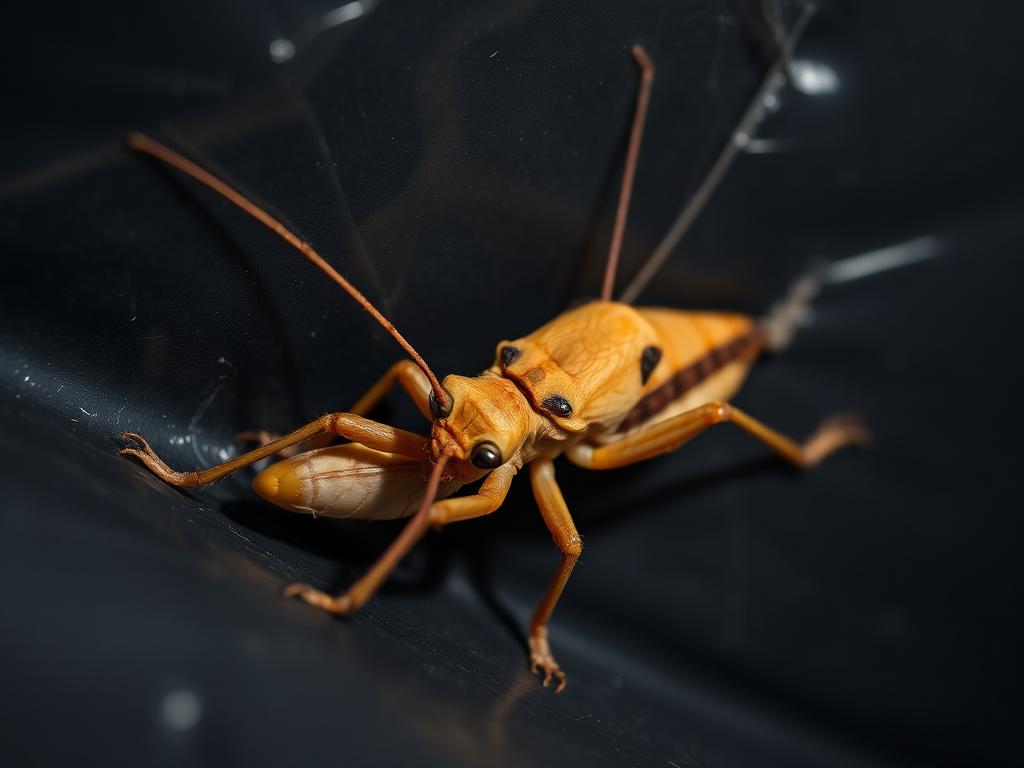
- Adult size
- 1/2" – 1.5"
- Color
- Tan and mottled brown, humpbacked
- Group size
- Hundreds in a crawl space
- Lifespan
- 1 – 2 years
Identifying it
Humpbacked, wingless, tan-and-mottled cricket with very long antennae and hind legs. Jumps toward disturbance rather than away, which is why they startle people in crawl spaces and basements.
Why Norfolk sees this
They require dark, consistently damp harborage. A vented crawl space in this climate is close to ideal habitat, and populations can reach the hundreds beneath a single house.
Early 20th-century bungalows, four-squares, and rowhouses in Ghent, Colonial Place, Park Place, and Larchmont, nearly all on vented crawl spaces with original framing. Newer infill and apartments sit on slab.
Low elevation with recurrent nuisance tidal flooding in Larchmont, Colonial Place, and the Hague area. Water table is at or near grade in much of the city, and the Port of Norfolk brings continuous international cargo.
Camel crickets are the clearest visible symptom of a wet crawl space in Hampton Roads, and homeowners almost always encounter them the same way: flipping on a crawl space light or opening a basement door and having several humpbacked, tan insects jump directly at them rather than away. That startling jump-toward behavior, combined with their size and long legs, makes them one of the more upsetting pest encounters people report, even though camel crickets don't bite or carry disease.
Camel cricket sightings are most common in late summer and early fall, when populations that have built up quietly through the humid months reach visible numbers and occasionally wander into living space through floor penetrations or basement doors. However, because the underlying moisture in a vented crawl space is largely constant in this climate, activity doesn't disappear in cooler months the way many outdoor insects do — it simply becomes less visible since crawl space visits are less frequent. Heavy rain events, common during hurricane season, can temporarily increase both moisture and visible activity as insects are pushed toward drier pockets, sometimes closer to the crawl space access door.
When camel cricket activity peaks
Crawl space populations peak with humidity in July and August.
July — activity index 95 / 100 (annual peak)
Does yours match? Interactive ID checklist
0 of 4 traits matched
Tick everything you can actually see.
Signs of camel cricket activity
- Multiple humpbacked, tan-and-mottled insects jumping when a crawl space or basement light is turned on.
- Visible dampness, condensation, or standing water on the crawl space vapor barrier or soil.
- A musty odor noticeable near the crawl space access point or through floor vents.
- Insects appearing inside the home near floor penetrations, especially after crawl space disturbance.
- Open or damaged crawl space vents allowing outside humidity to enter freely.
- Visible mold or mildew on floor joists, which often co-occurs with camel cricket activity since both indicate excess moisture.
Camel Cricket threat profile
Structural risk
10/100
Damage to framing, floors and finishes
Health risk
10/100
Bites, stings, allergens and pathogens
Spread rate
40/100
How fast it multiplies once established
DIY difficulty
55/100
How reliably store products fail on it
Field notes: camel cricket you did not know
- Fact 01
They jump at whatever startles them — including you — because they have no other defense.
- Fact 02
They are silent: unlike true crickets, they cannot chirp.
- Fact 03
A heavy population is a moisture readout — they cannot survive a dry crawl space.
How we remove it
Suppression treatments help briefly; encapsulation and dehumidification are what actually remove them, because they eliminate the habitat.
Routing City of Norfolk daily, including Ghent, Larchmont, Colonial Place, Park Place, Ocean View, Riverview.
The Guardex camel cricket treatment plan
01 · Crawl space moisture inspection
We assess vent condition, standing water, vapor barrier status, and humidity levels to identify the specific moisture source sustaining the population before recommending a treatment path.
02 · Initial suppression treatment
A targeted treatment reduces the visible population quickly, giving the homeowner relief while the longer-term moisture correction is scheduled and completed.
03 · Moisture correction
Depending on findings, this may include vent sealing, vapor barrier installation, drainage correction, or full crawl space encapsulation with dehumidification — the step that actually removes the habitat rather than just the insects currently in it.
04 · Follow-up verification
A follow-up visit confirms humidity levels have dropped and the population hasn't rebounded, since suppression treatments alone typically only provide temporary relief.
Why store-bought products usually fail
Store-bought insecticide sprays kill visible camel crickets on contact but do nothing about the humidity sustaining the population underneath the house, so new individuals continue developing and the visible problem returns within weeks. Homeowners often don't realize the scale of a crawl space population because most activity happens out of sight, and by the time crickets are visible indoors the underlying colony can already number in the hundreds. Correcting crawl space moisture — proper vapor barrier installation, vent management, and drainage correction — requires equipment and diagnostic experience most homeowners don't have, and a poorly executed moisture fix can trap humidity rather than remove it.
Prevention checklist
- Keep crawl space vents clear and functioning, or transition to a sealed and conditioned crawl space design if moisture is chronic.
- Install or repair a vapor barrier across exposed crawl space soil.
- Direct downspouts and grading away from the foundation to reduce water reaching the crawl space.
- Address any standing water or plumbing leaks in the crawl space promptly.
- Reduce clutter and stored debris in basements and crawl spaces that holds moisture against the soil.
- Have crawl space humidity checked annually, particularly in homes over sandy or low-lying soil.
Camel Cricket questions we get asked
- Are camel crickets dangerous?
- No, they don't bite or transmit disease. The main issue is their startling jumping behavior and what their presence in large numbers indicates about crawl space moisture.
- Why do I have so many in my crawl space specifically?
- Vented crawl spaces over the sandy, high-water-table soil common in this region stay humid nearly year-round, which is ideal habitat. Populations can reach the hundreds before anyone notices, since most activity is out of sight.
- Will spraying get rid of them for good?
- No, a spray kills the visible population temporarily but doesn't address the moisture sustaining ongoing development. Most homeowners see them return within a few weeks without a moisture correction.
- Is this common in Chesapeake and Suffolk?
- Yes, the combination of sandy soil, high water tables, and vented crawl space construction common in both areas makes camel cricket calls one of our more frequent moisture-related inspections there.
- What does full correction typically cost and how long does it take?
- Cost depends on whether the fix is a targeted vent and vapor barrier repair or full encapsulation with dehumidification; timelines range from a single day for minor corrections to a few days for full encapsulation. We provide a specific quote after the crawl space inspection.
Other pests in Norfolk
- Eastern Subterranean Termite control in Norfolk
- Formosan Subterranean Termite control in Norfolk
- Powderpost Beetle control in Norfolk
- Carpenter Ant control in Norfolk
- Carpenter Bee control in Norfolk
- Wood-Decay Fungus control in Norfolk
- German Cockroach control in Norfolk
- American Cockroach control in Norfolk
- Oriental Cockroach control in Norfolk
- Odorous House Ant control in Norfolk
- Red Imported Fire Ant control in Norfolk
- Norway Rat control in Norfolk
- House Mouse control in Norfolk
- Squirrel control in Norfolk
- Springtail control in Norfolk
- Asian Tiger Mosquito control in Norfolk
- Salt Marsh Mosquito control in Norfolk
- Blacklegged (Deer) Tick control in Norfolk
- Yellowjacket control in Norfolk
- Bed Bug control in Norfolk
- Brown Marmorated Stink Bug control in Norfolk
Camel Cricket nearby in South Hampton Roads
Camel Cricket problem in Norfolk?
Tell us where you are finding them and how often. We will confirm the species and put a plan on the calendar.
Request an inspection