
Pest Library
Hampton Roads Pest Identification Library
Specimen photography, month-by-month activity charts and interactive ID checklists for every pest that works Hampton Roads construction. The same brown insect on a Norfolk baseboard can mean a sanitation issue, a sewer defect, or a saturated crawl space — and each one gets a different answer.
Wood-destroying organisms
The category that costs the most and hides the longest. In coastal Virginia almost all of it traces back to moisture.
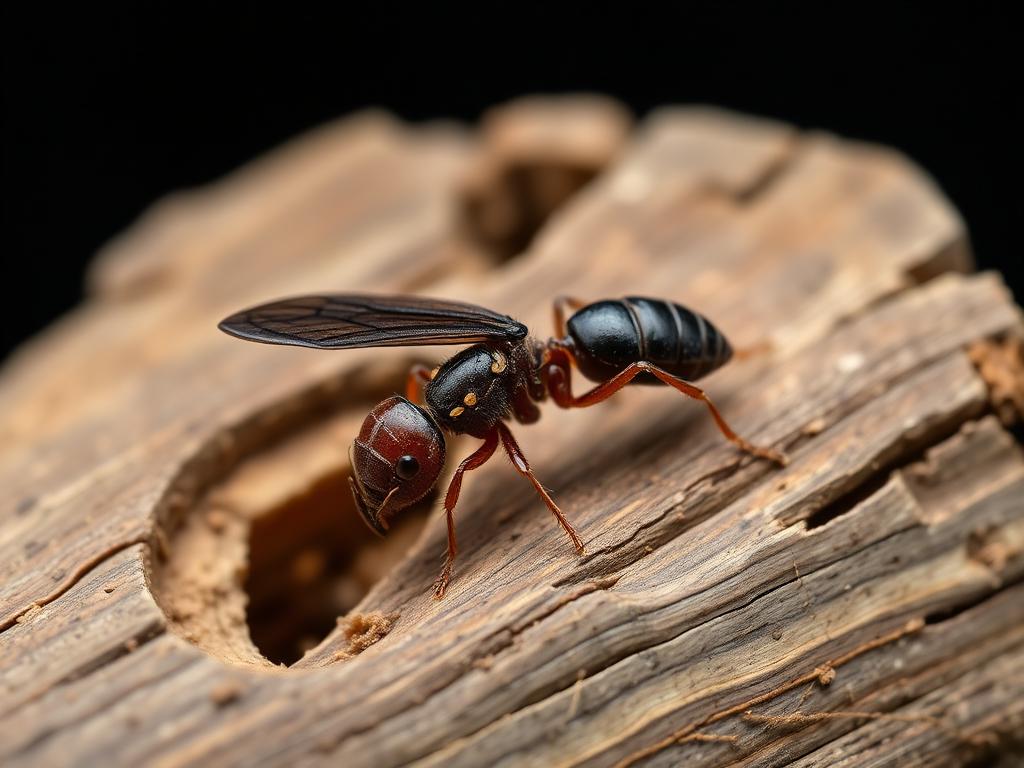 Peaks Apr
Eastern Subterranean Termite
Reticulitermes flavipes
The default termite threat in every Hampton Roads city.
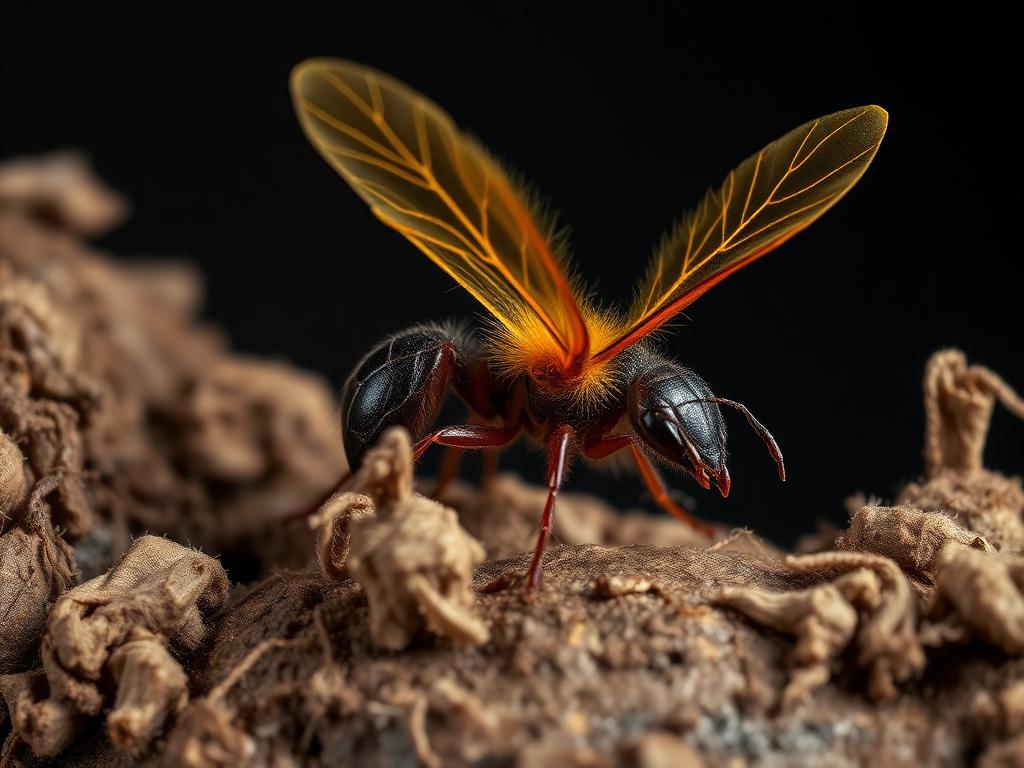 Peaks Jun
Formosan Subterranean Termite
Coptotermes formosanus
Larger, faster colonies — confirmed in Norfolk and a genuine regional concern.
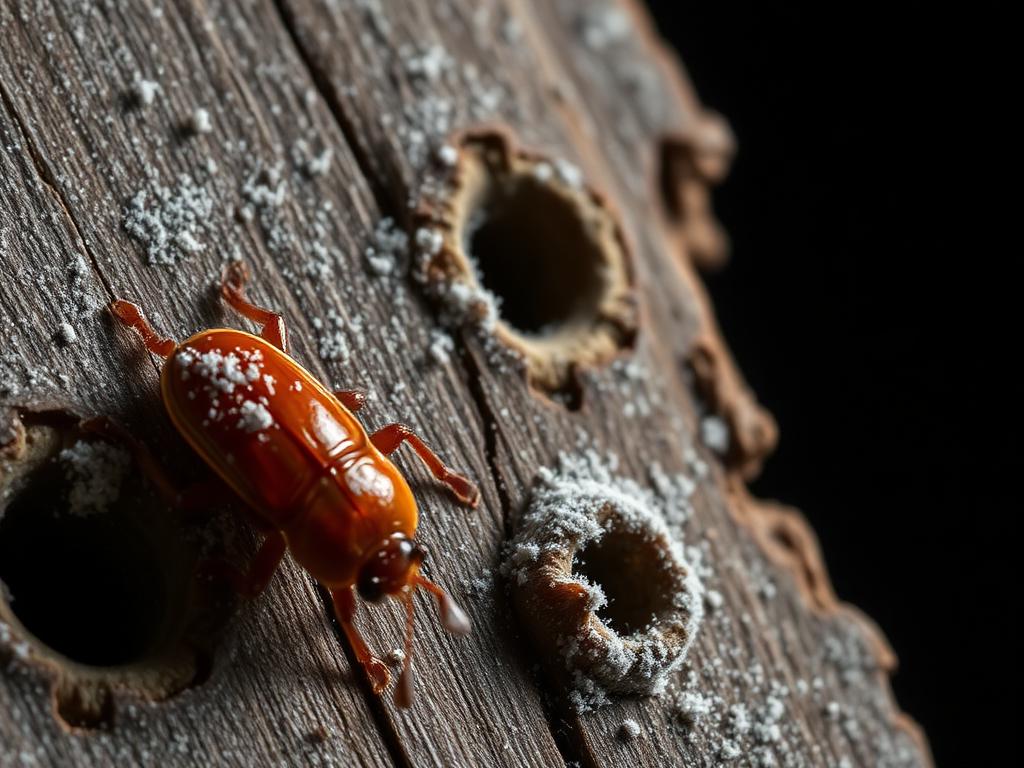 Peaks May
Powderpost Beetle
Lyctidae and Anobiidae
Fine flour-like frass under pinholes in crawl space framing and hardwood.
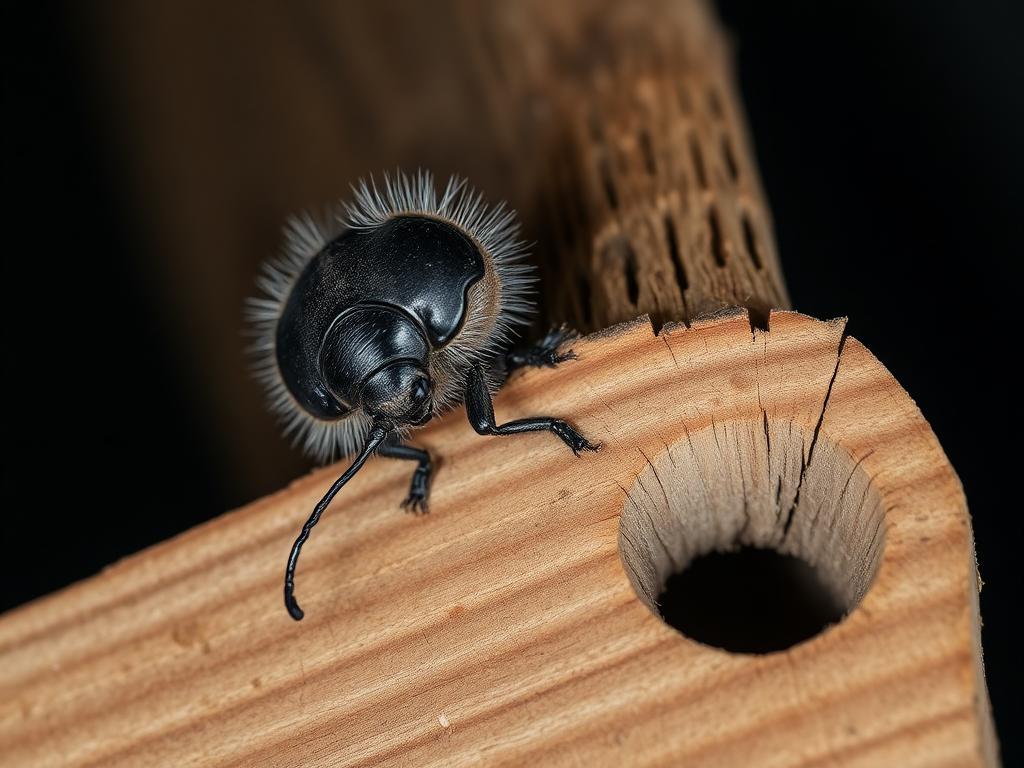 Peaks Jun
Old House Borer
Hylotrupes bajulus
Audible chewing in softwood framing, with oval exit holes.
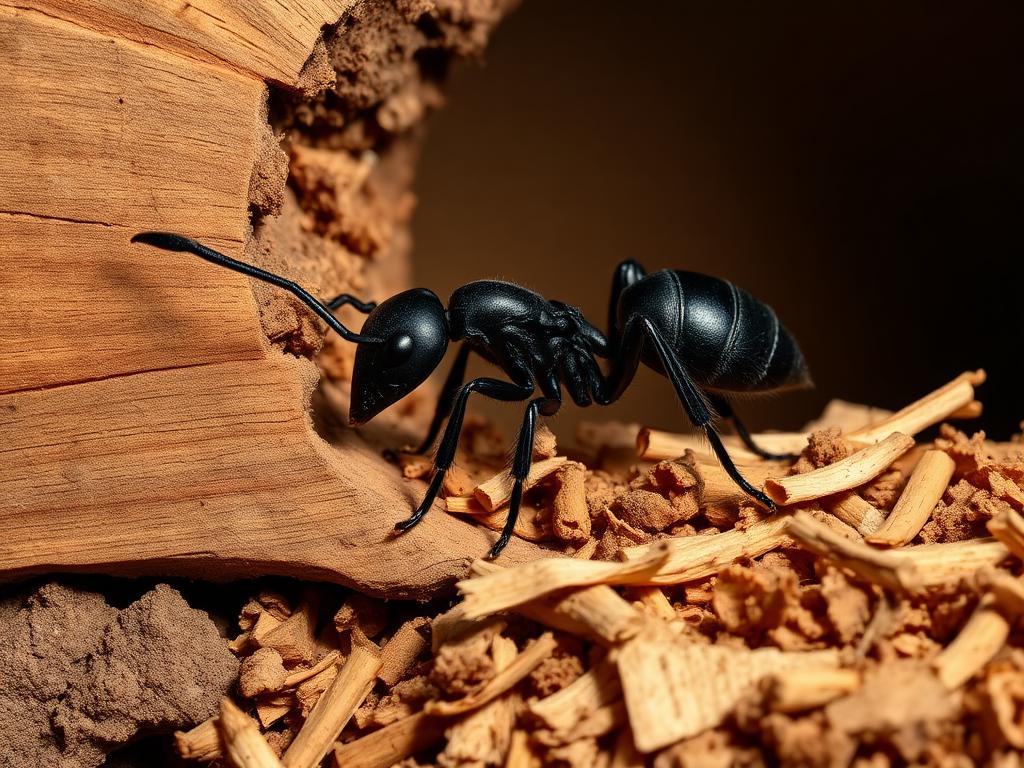 Peaks Jun
Carpenter Ant
Camponotus spp.
Large black ants excavating galleries in wood that is already wet.
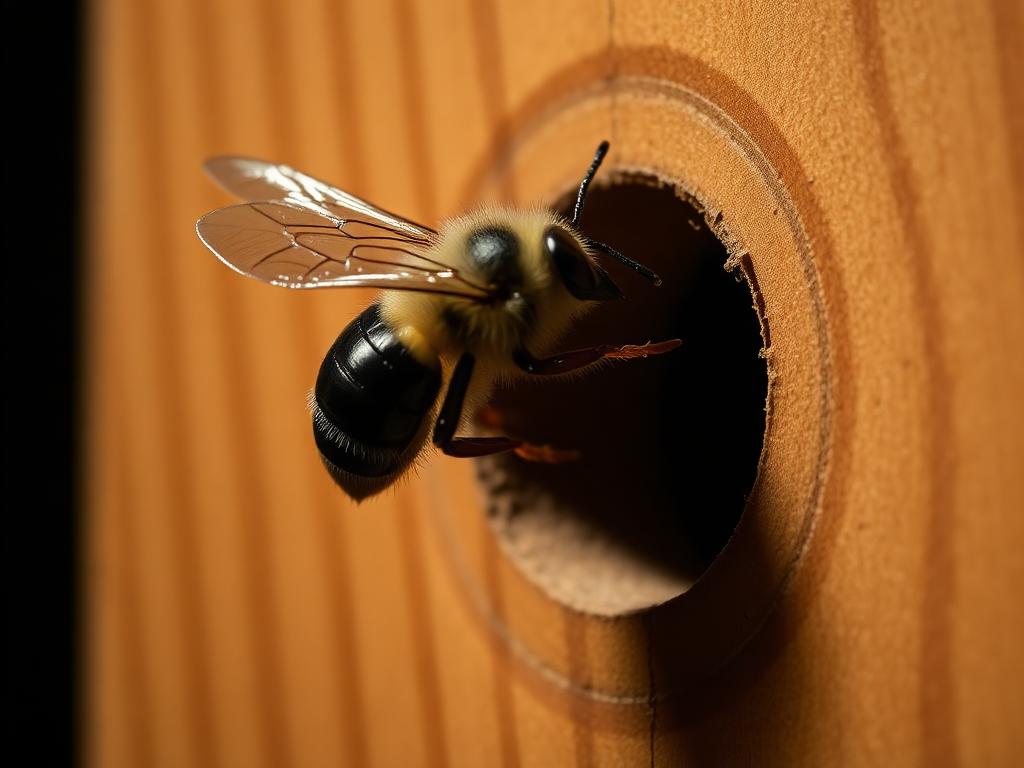 Peaks May
Carpenter Bee
Xylocopa virginica
Perfectly round half-inch holes in fascia, decks, and railings.
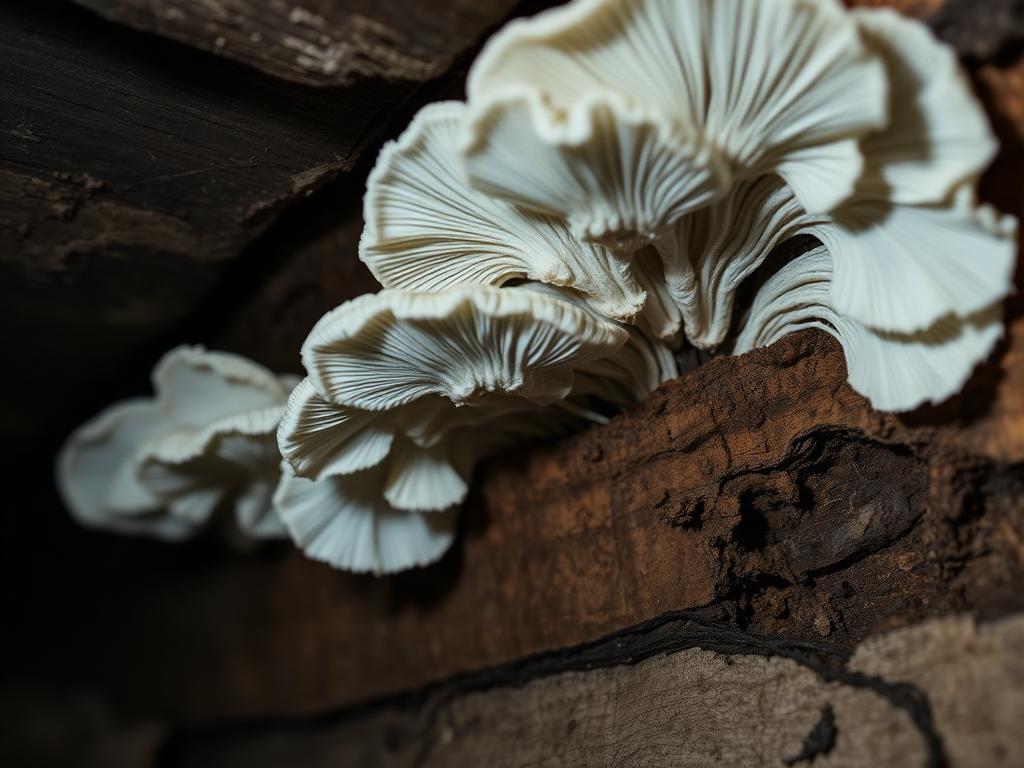 Peaks Jul
Wood-Decay Fungus
Not an insect, but the single biggest cause of structural loss under coastal houses.
Cockroaches
German roaches are an indoor harborage problem. American and oriental roaches are almost always a crawl space, sewer, or moisture problem.
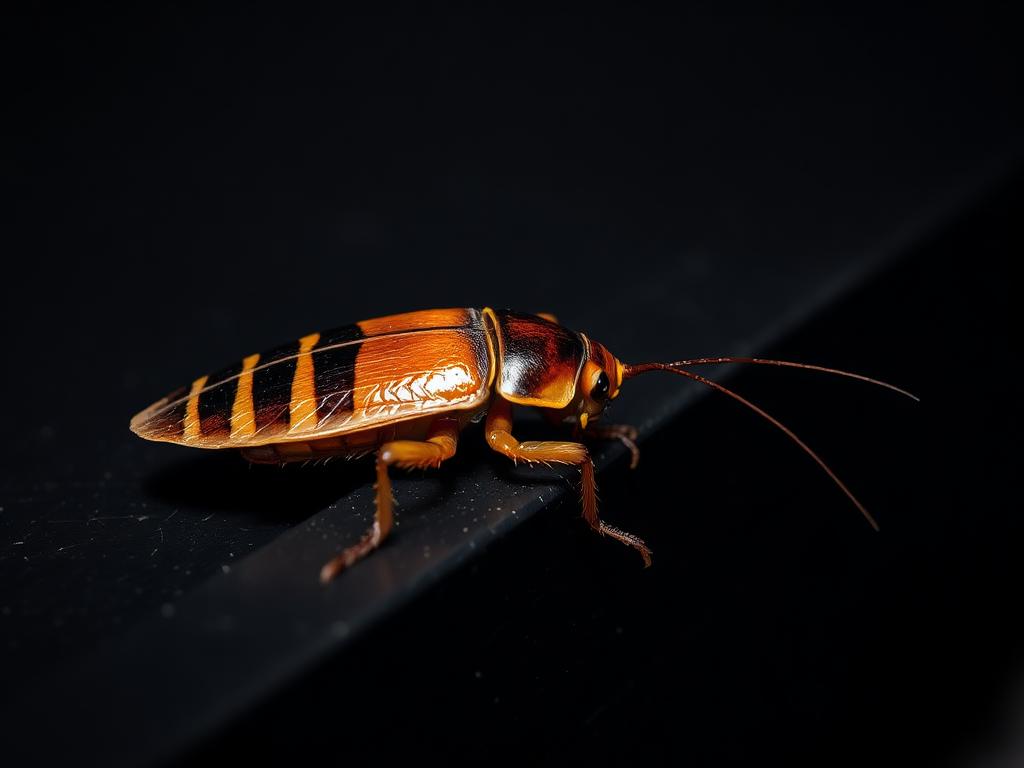 Peaks Jul
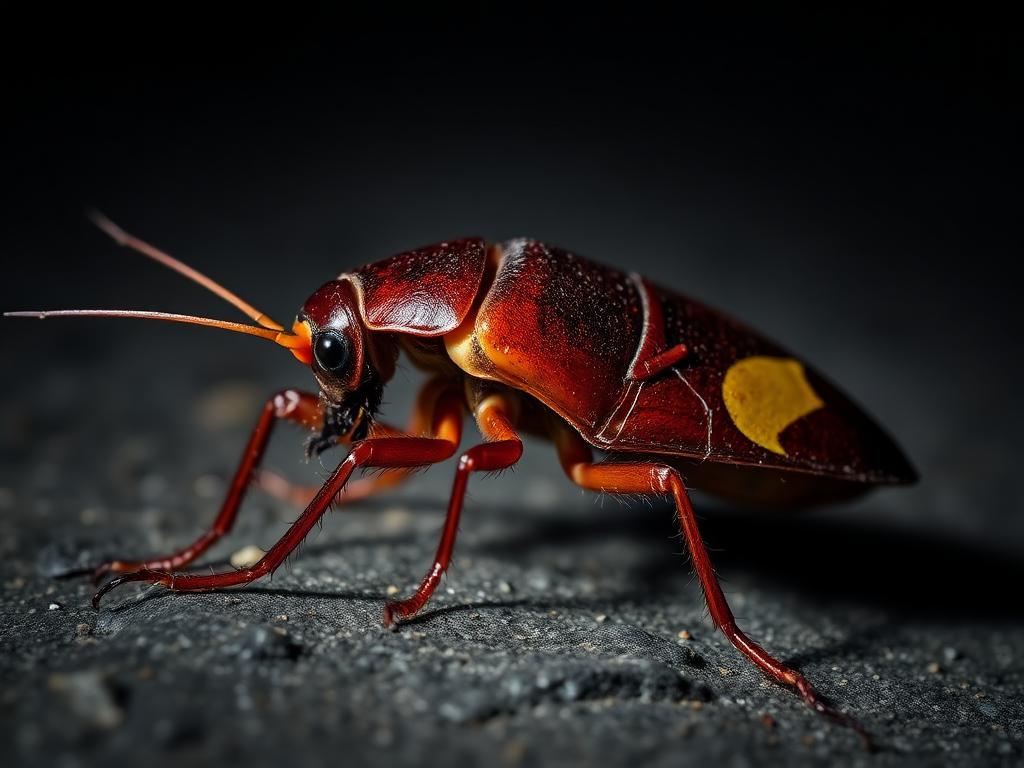
German Cockroach
Blattella germanica
The indoor breeding roach — the one that becomes an infestation fast.
 Peaks Jul
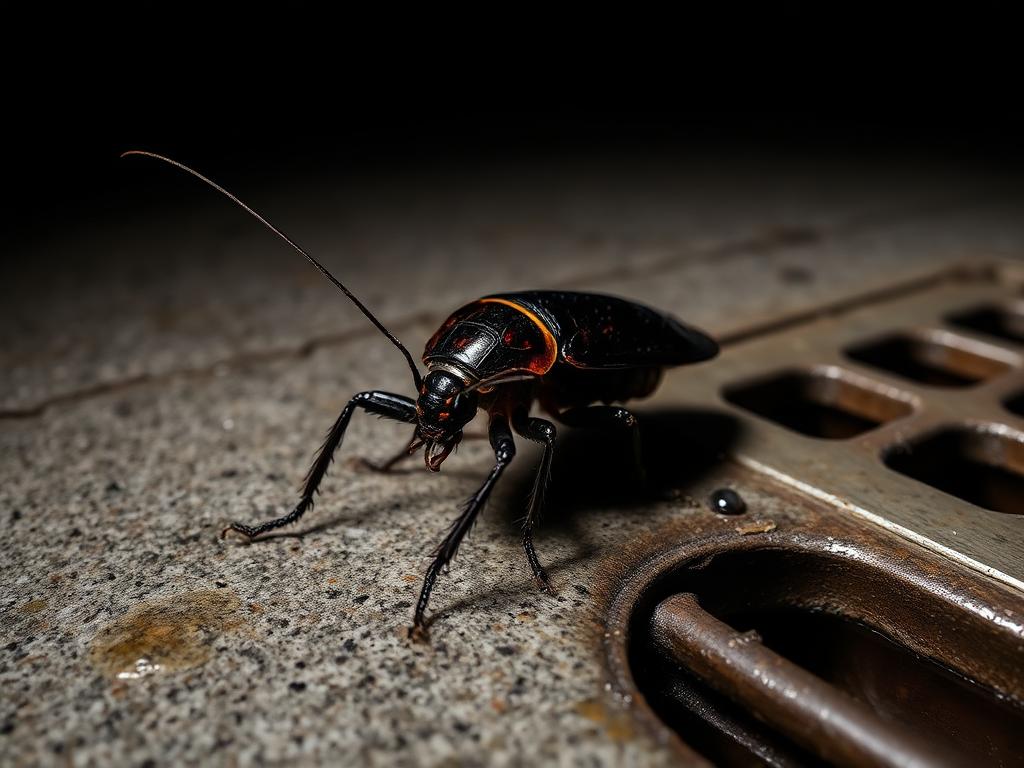
American Cockroach
Periplaneta americana
The large reddish-brown roach coming up out of drains and crawl spaces.
 Peaks Jul
Oriental Cockroach
Blatta orientalis
Glossy near-black roach — a direct indicator of crawl space moisture.
Ants
Species identification sets the bait. The wrong product can split a colony instead of killing it.
 Peaks Jun
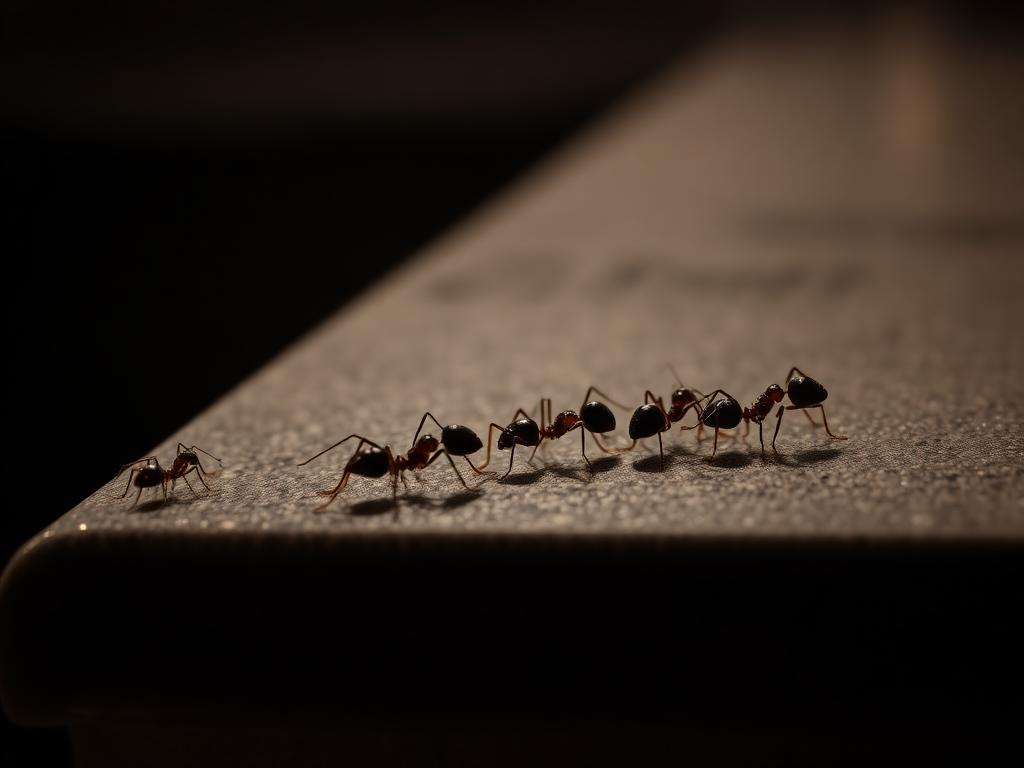
Odorous House Ant
Tapinoma sessile
The most common trailing ant in regional kitchens.
 Peaks Jun
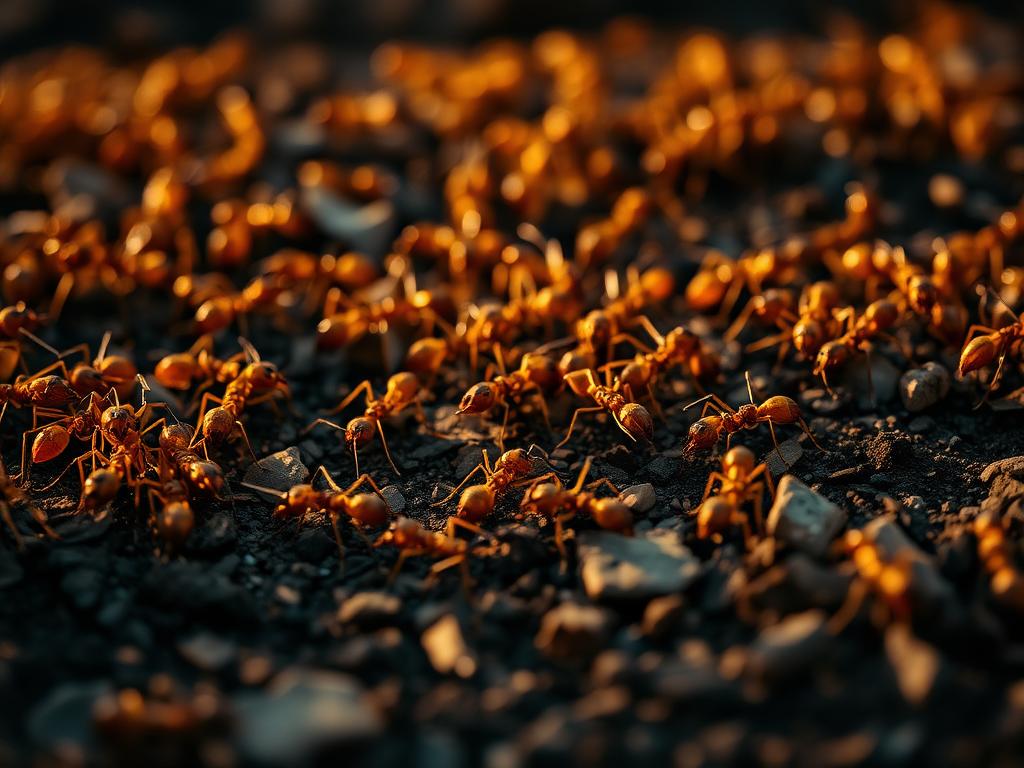
Argentine Ant
Linepithema humile
Supercolonies with massive trails and multiple queens.
 Peaks May
Pavement Ant
Tetramorium immigrans
Small dark ants pushing soil up through driveway and slab cracks.
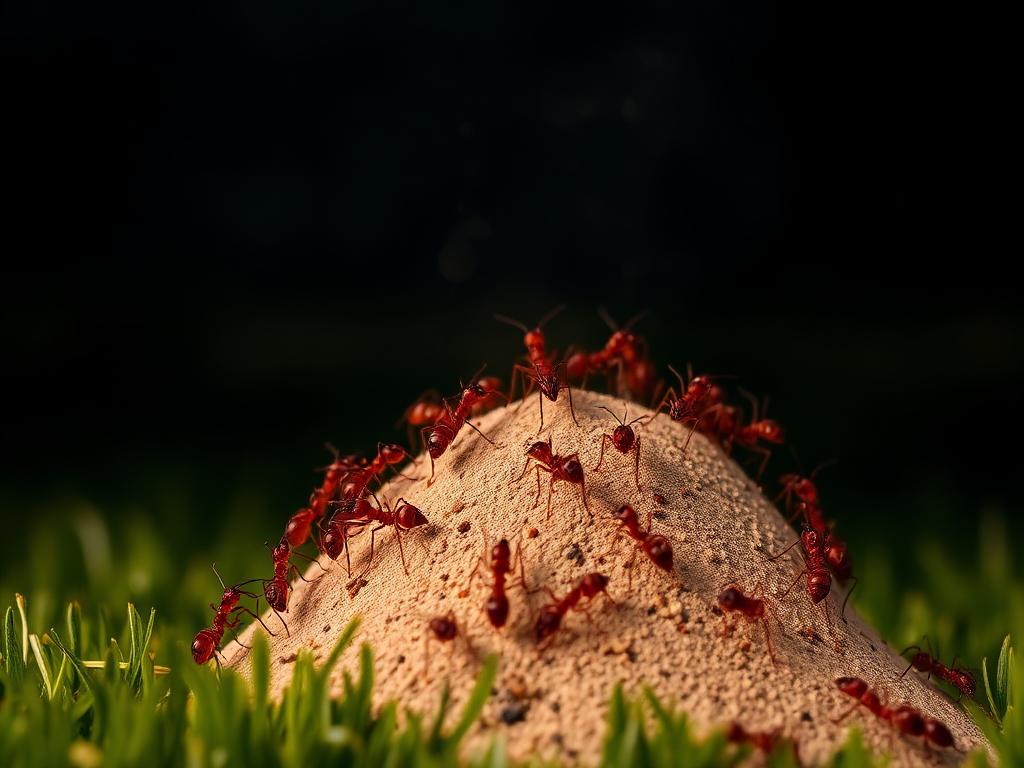 Peaks Jun
Red Imported Fire Ant
Solenopsis invicta
Aggressive stinging mounds pushing north into the region.
Rodents & wildlife
Exclusion first. Trapping without sealing the entry is a subscription, not a solution.
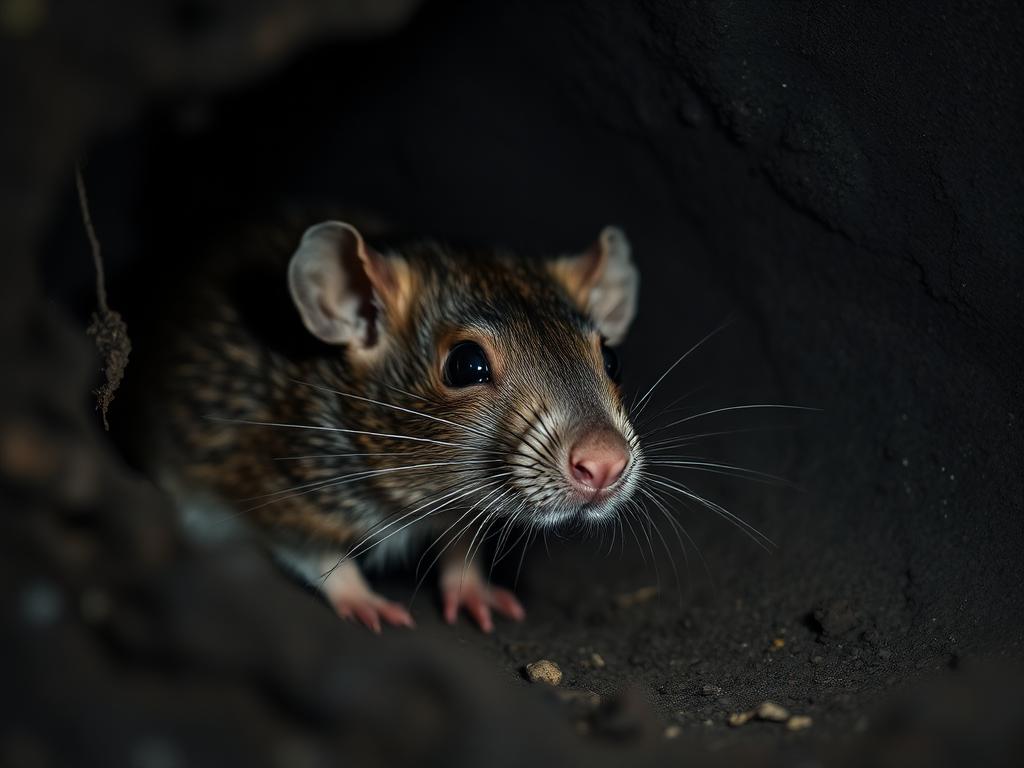 Peaks Nov
Norway Rat
Rattus norvegicus
Burrowing rat of dense older neighborhoods, alleys, and waterfronts.
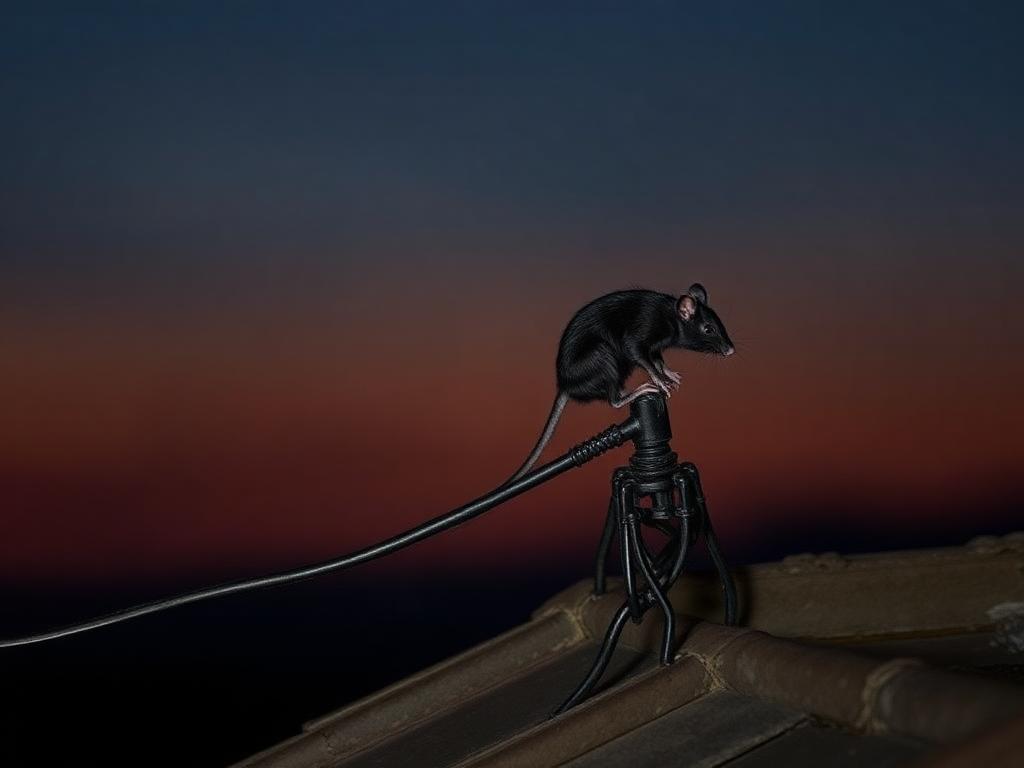 Peaks Nov
Roof Rat
Rattus rattus
Climbing rat that nests in attics and travels overhead lines and limbs.
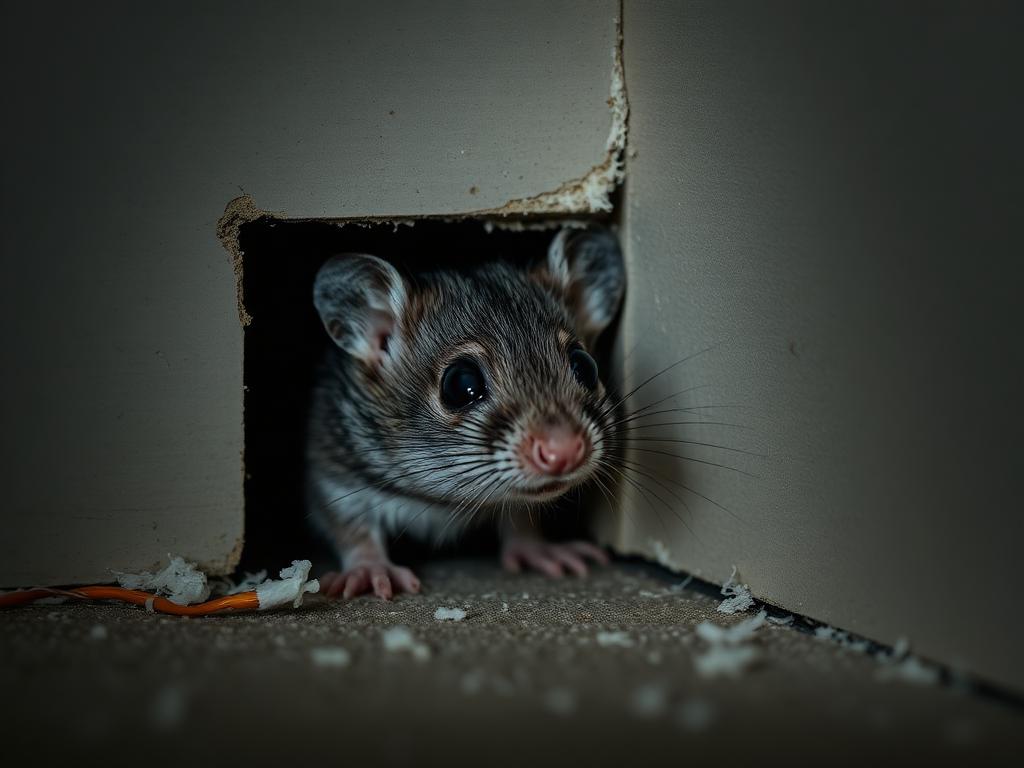 Peaks Nov
House Mouse
Mus musculus
Fits through a gap the width of a pencil, breeds year-round indoors.
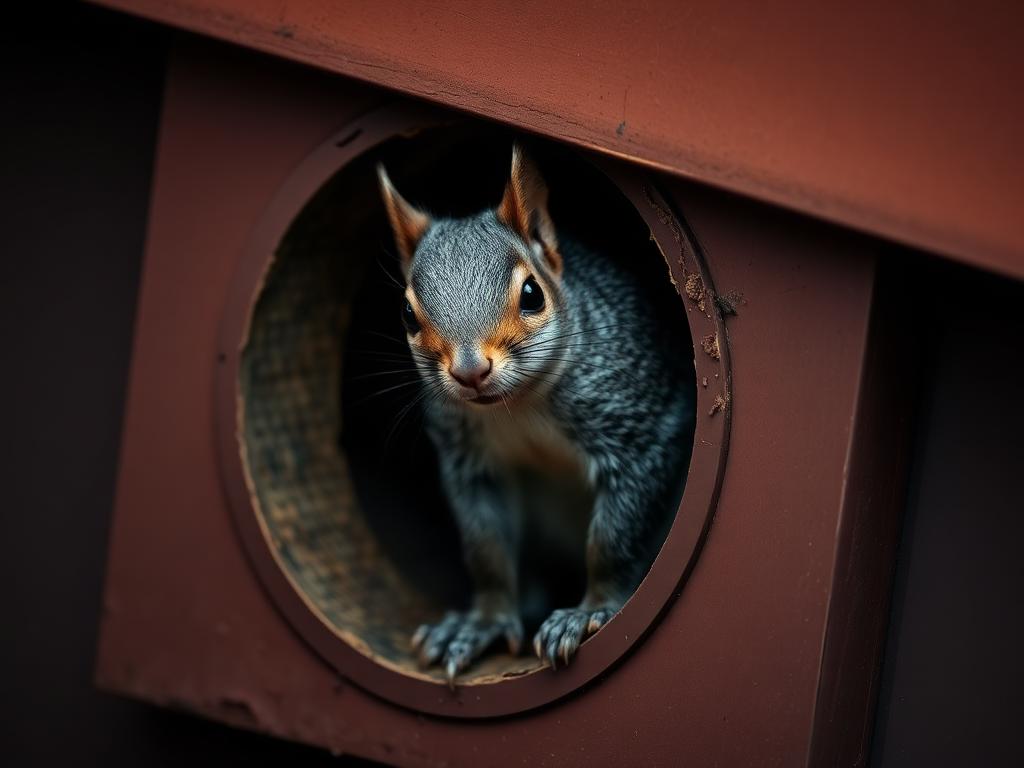 Peaks Mar
Squirrel
Sciurus carolinensis
Daytime attic noise, chewed soffit, and gnawed wiring.
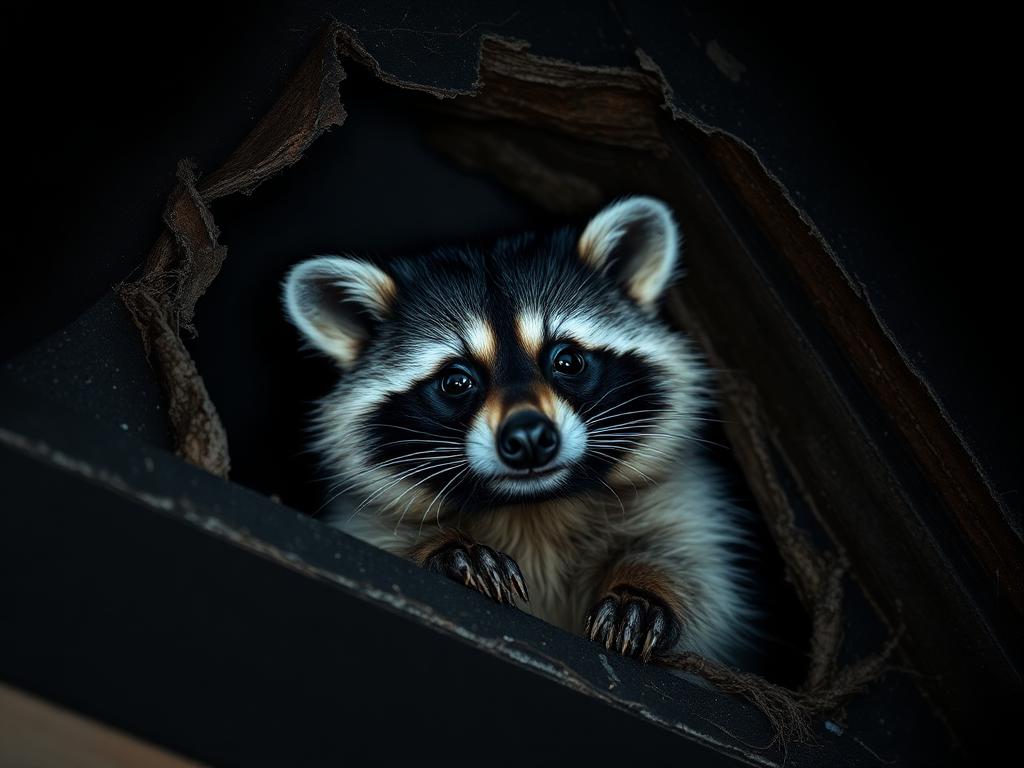 Peaks Apr
Raccoon
Heavy nighttime attic activity and torn roofline material.
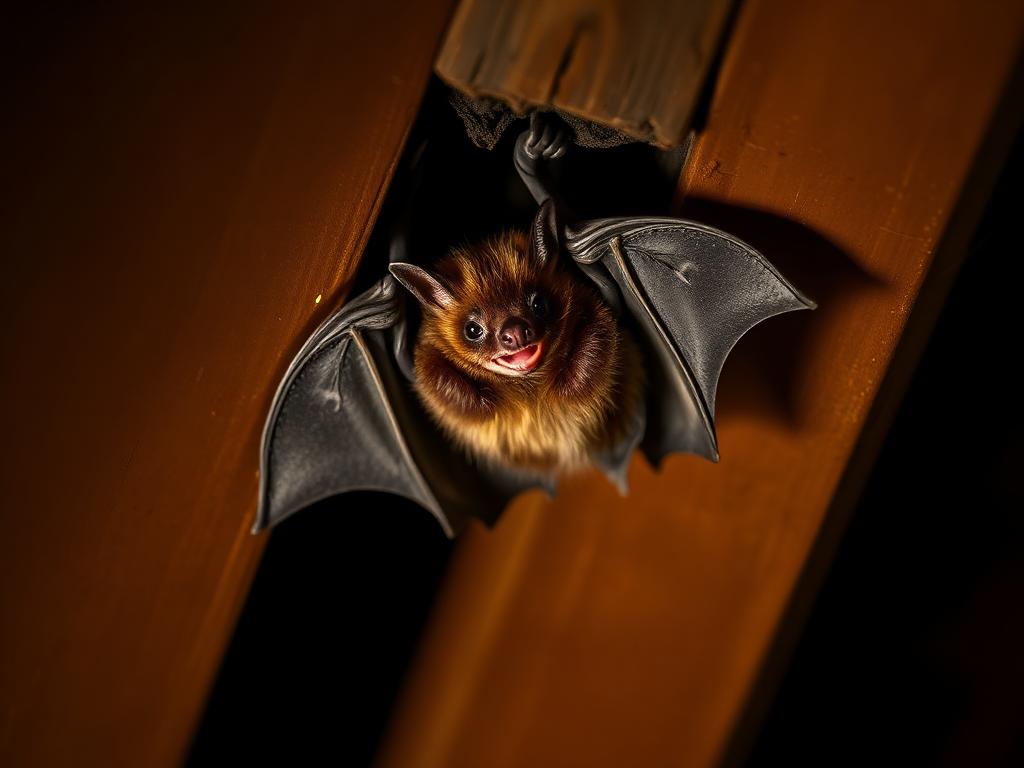 Peaks Jun
Bat
Protected species — exclusion is timing-sensitive and must be done correctly.
Moisture-driven invaders
The crawl space indicator species. When these show up indoors, humidity under the house is already out of range.
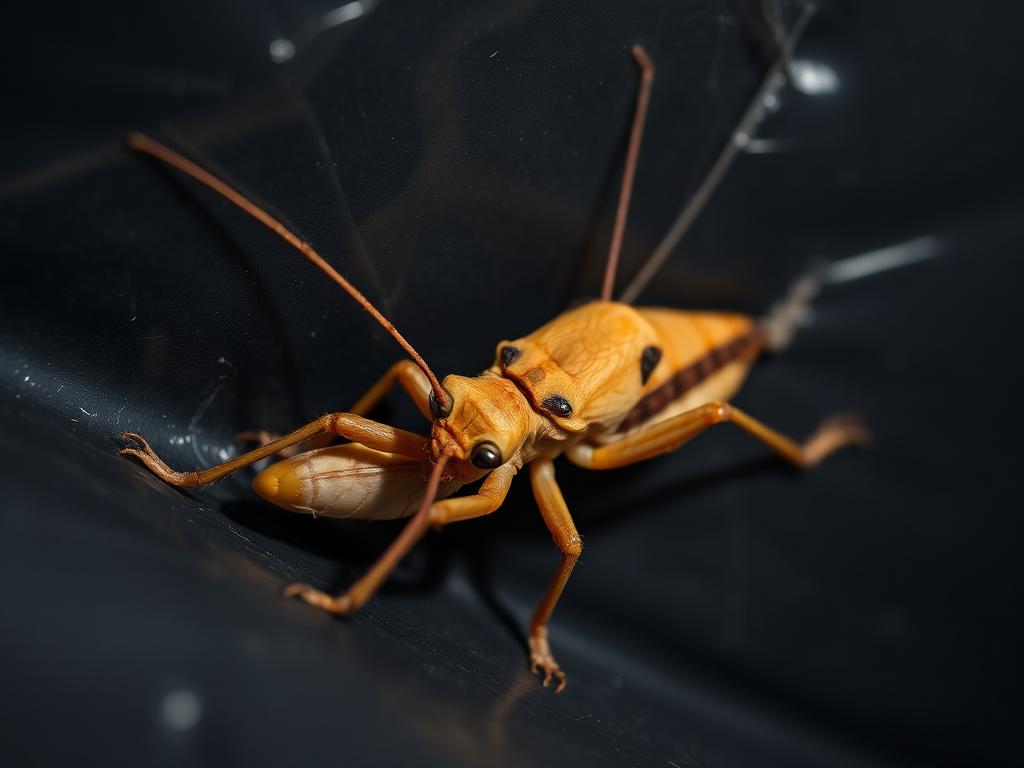 Peaks Jul
Camel Cricket
Diestrammena asynamora
The signature Hampton Roads crawl space insect.
 Peaks Aug
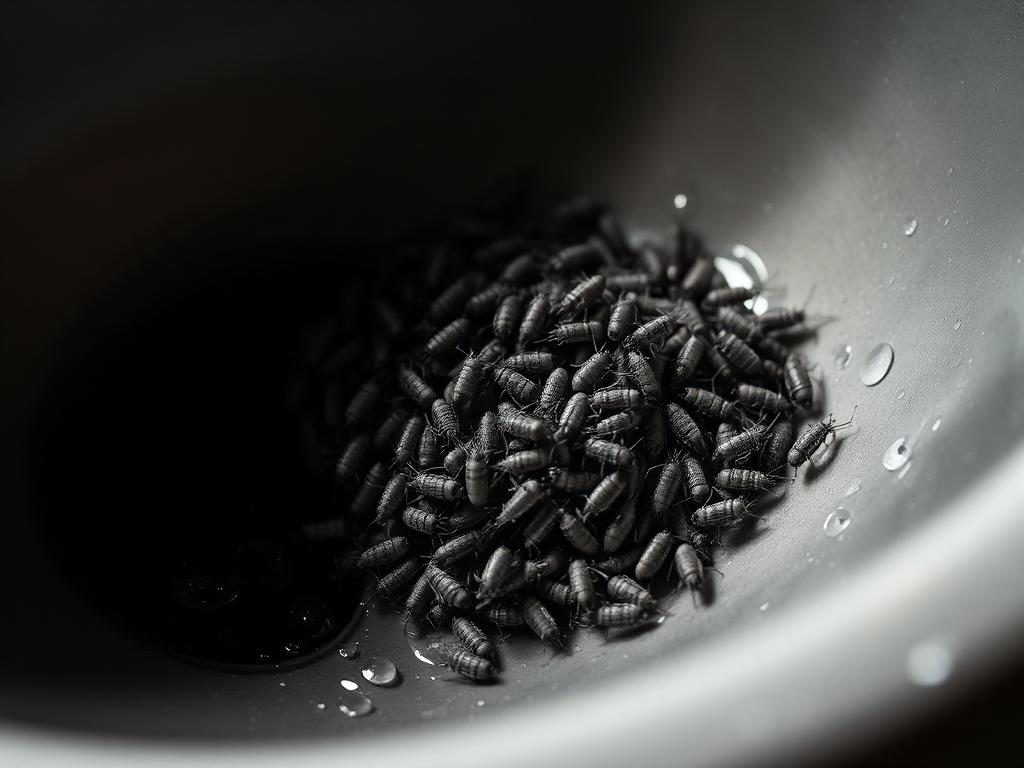
Springtail
Collembola
Tiny jumping specks appearing in bathrooms and along damp baseboards.
 Peaks Jul
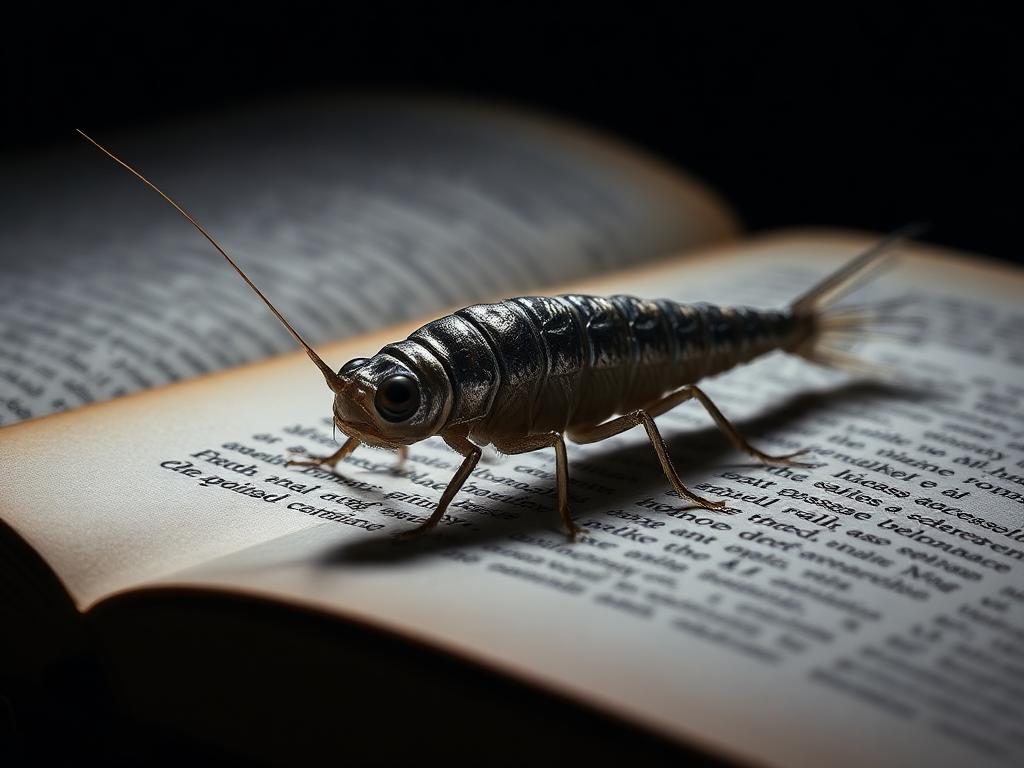
Silverfish
Lepisma saccharina
Fast, teardrop-shaped, and drawn to damp paper and starch.
 Peaks Jul
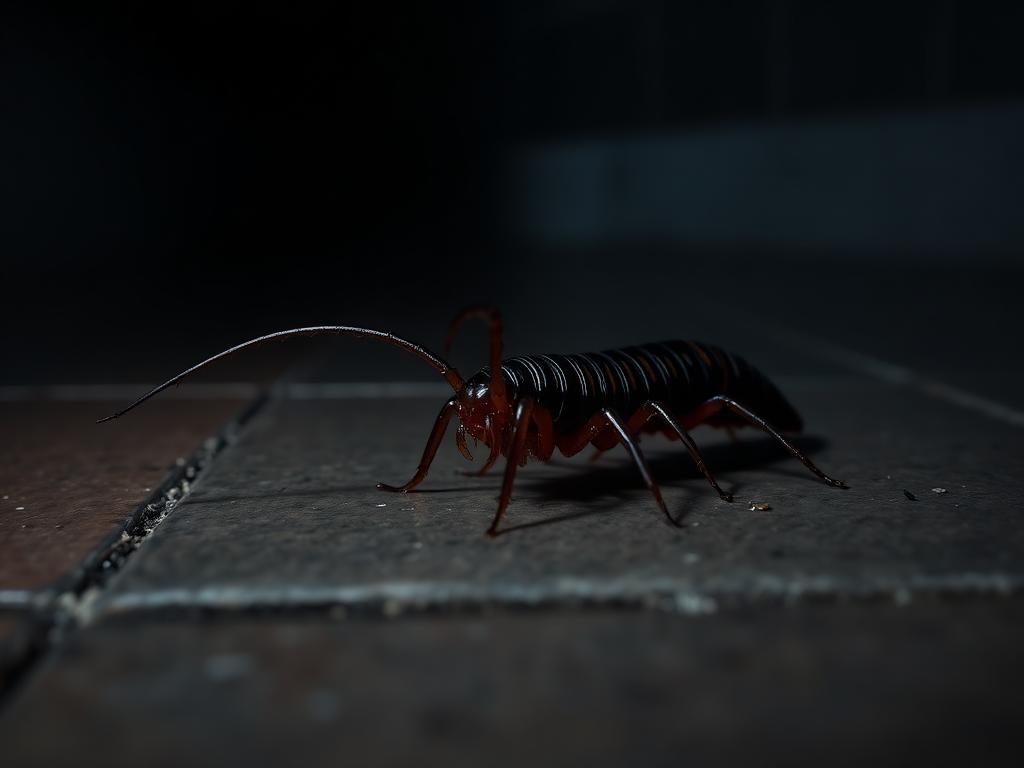
House Centipede
Scutigera coleoptrata
A predator — its presence means there is other prey in the structure.
Biting & stinging
Standing water, tidal marsh, and wooded lot lines drive most of the seasonal load here.
 Peaks Jul
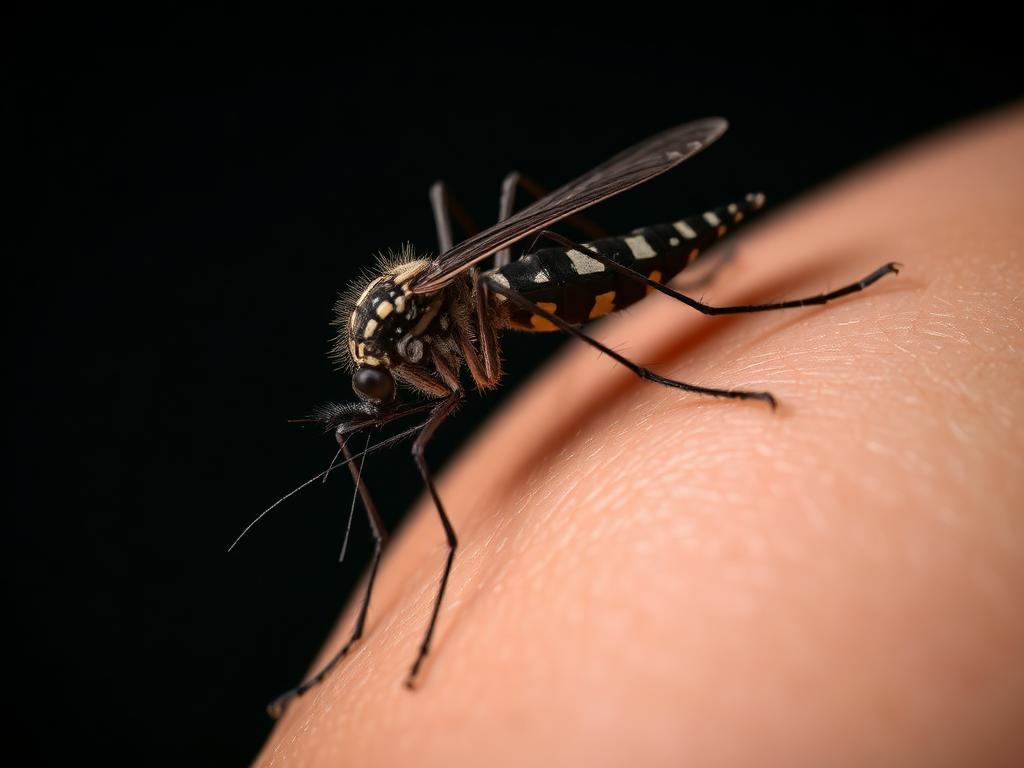
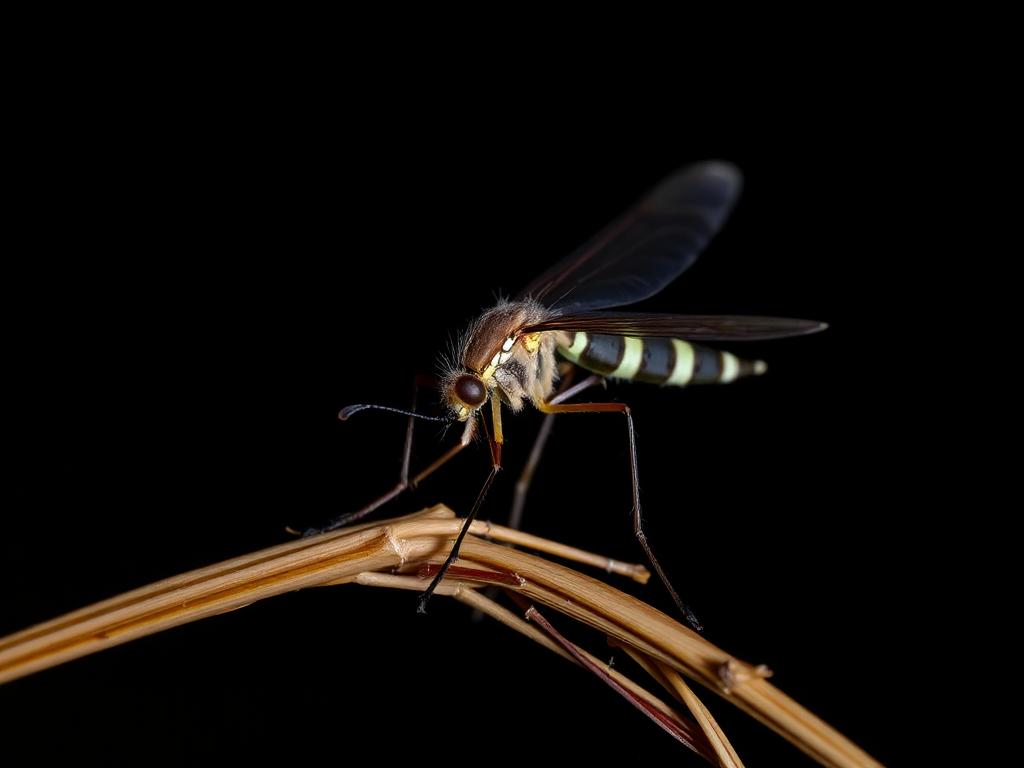
Asian Tiger Mosquito
Aedes albopictus
Aggressive daytime biter that breeds in containers, not marsh.
 Peaks Jul
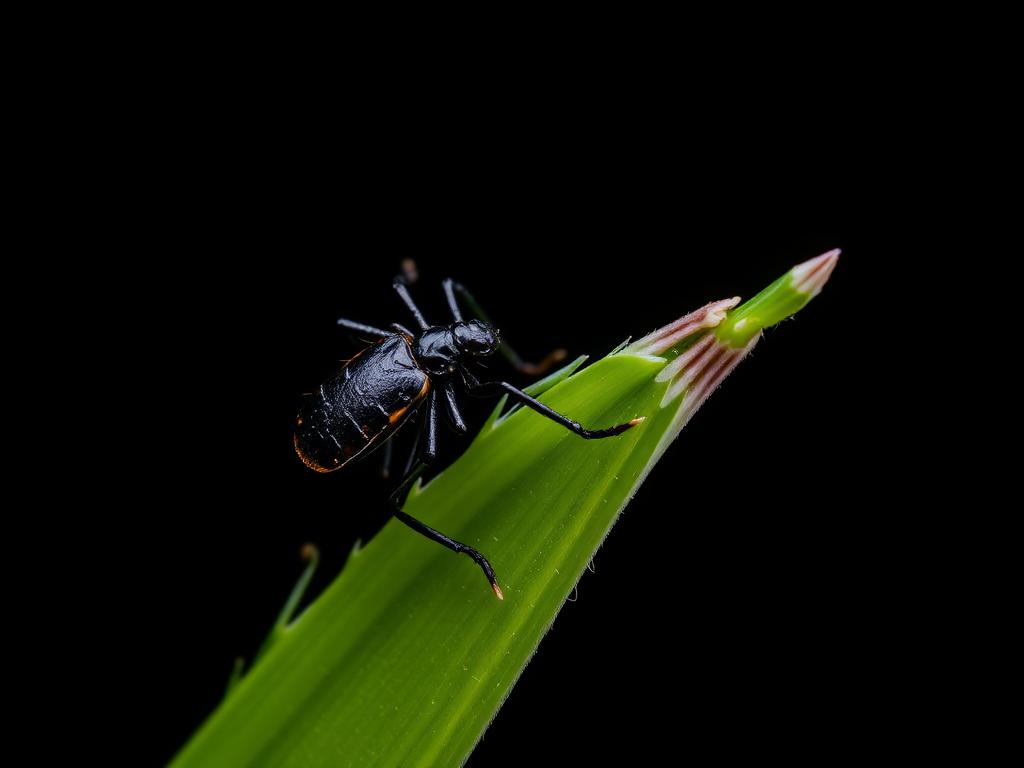
Salt Marsh Mosquito
Aedes sollicitans
Flies in from tidal marsh in huge broods after high tides and rain.
 Peaks May
Blacklegged (Deer) Tick
Ixodes scapularis
The Lyme disease vector, active in leaf litter and wooded edges.
 Peaks Sep
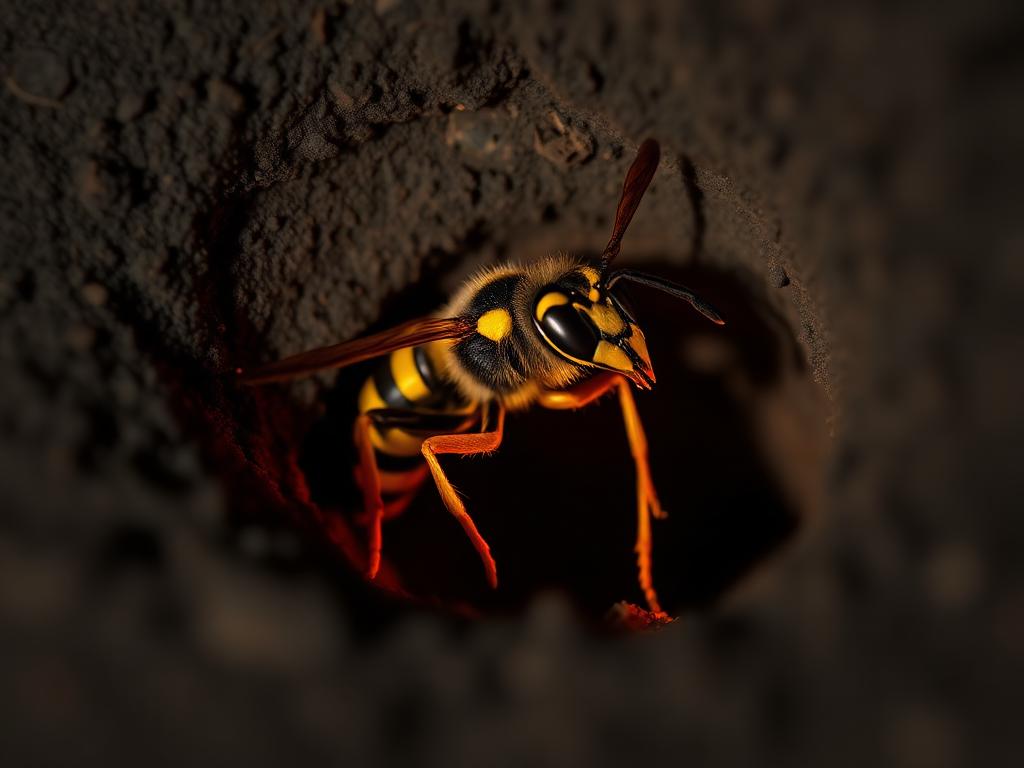
Yellowjacket
Vespula spp.
Ground and void nests that turn aggressive in late summer.
 Peaks Aug
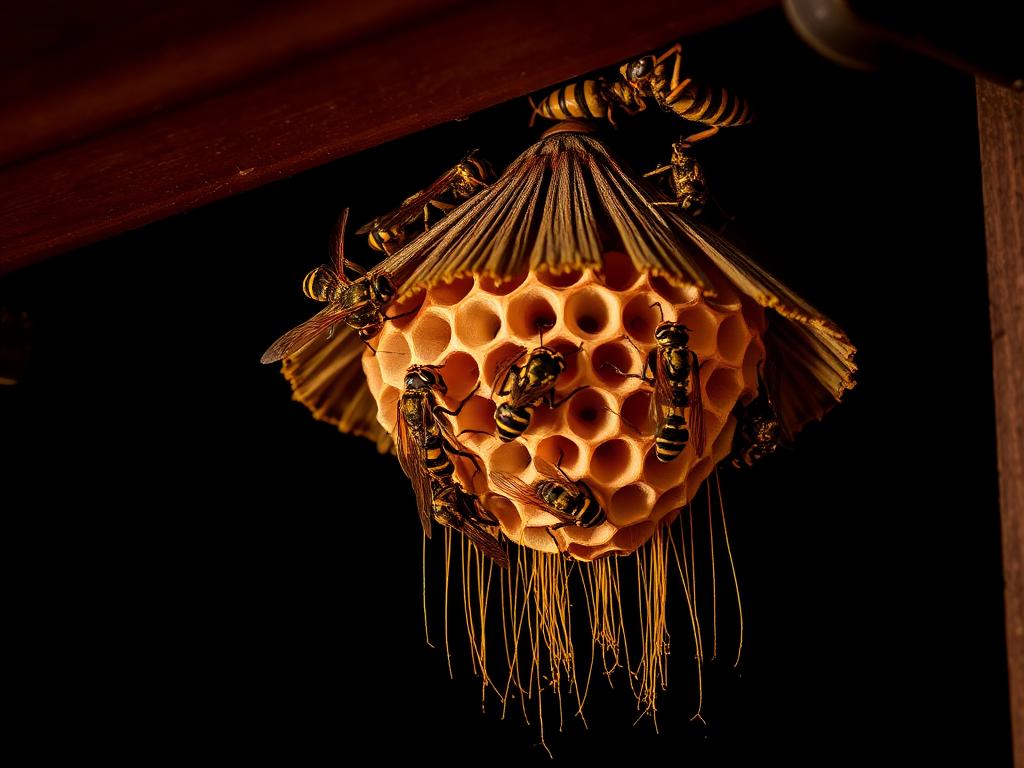
Paper Wasp
Polistes spp.
Open umbrella nests under eaves, rails, and grill covers.
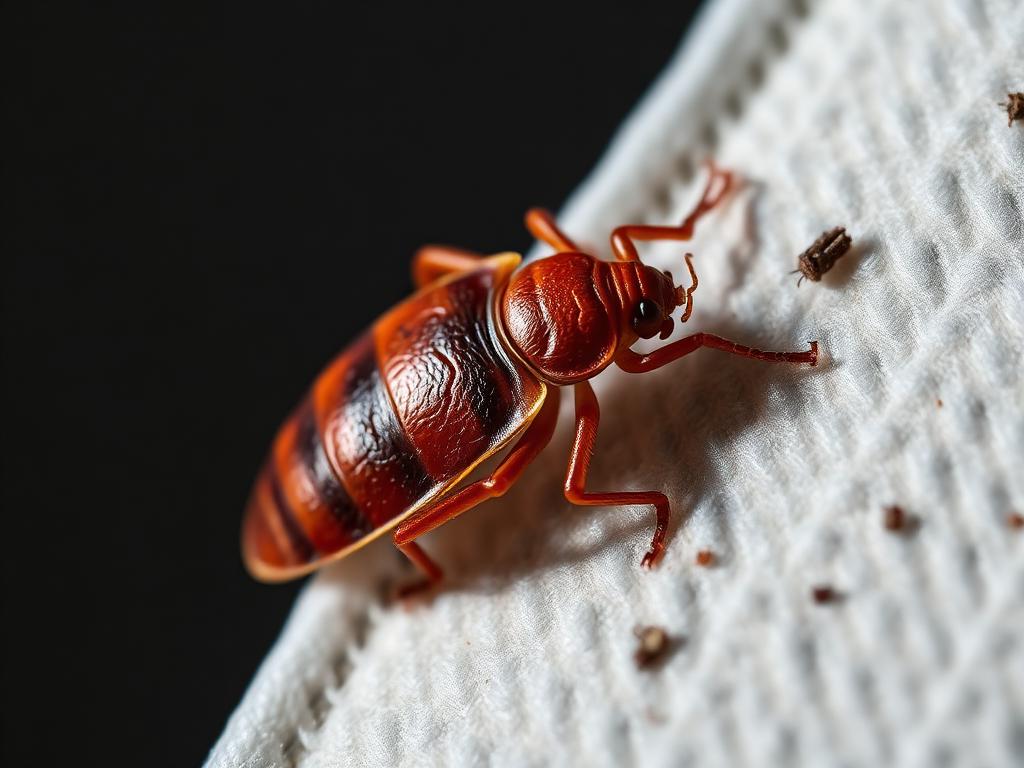 Peaks Jul
Bed Bug
Cimex lectularius
Introduced by travel and used furniture — never by sanitation.
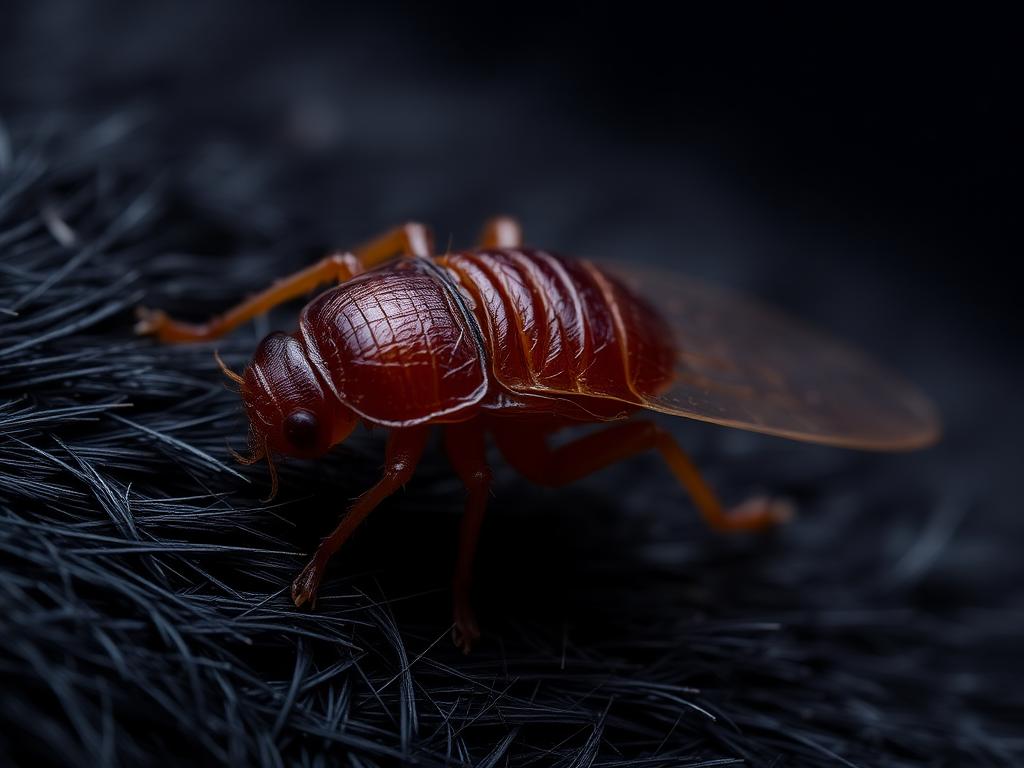 Peaks Jul
Cat Flea
Ctenocephalides felis
Most of the population is eggs and larvae in carpet, not adults on the pet.
Occasional invaders
Seasonal migrations into the structure, usually through the same handful of gaps.
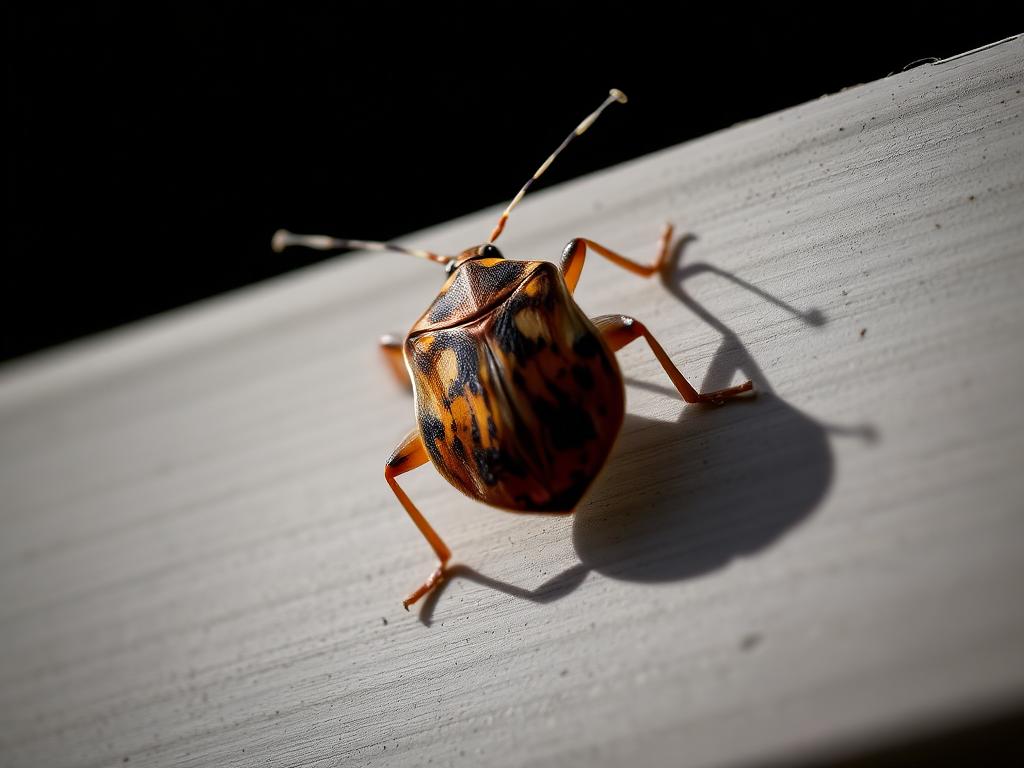 Peaks Oct
Brown Marmorated Stink Bug
Halyomorpha halys
Fall migration into attics, window frames, and wall voids.
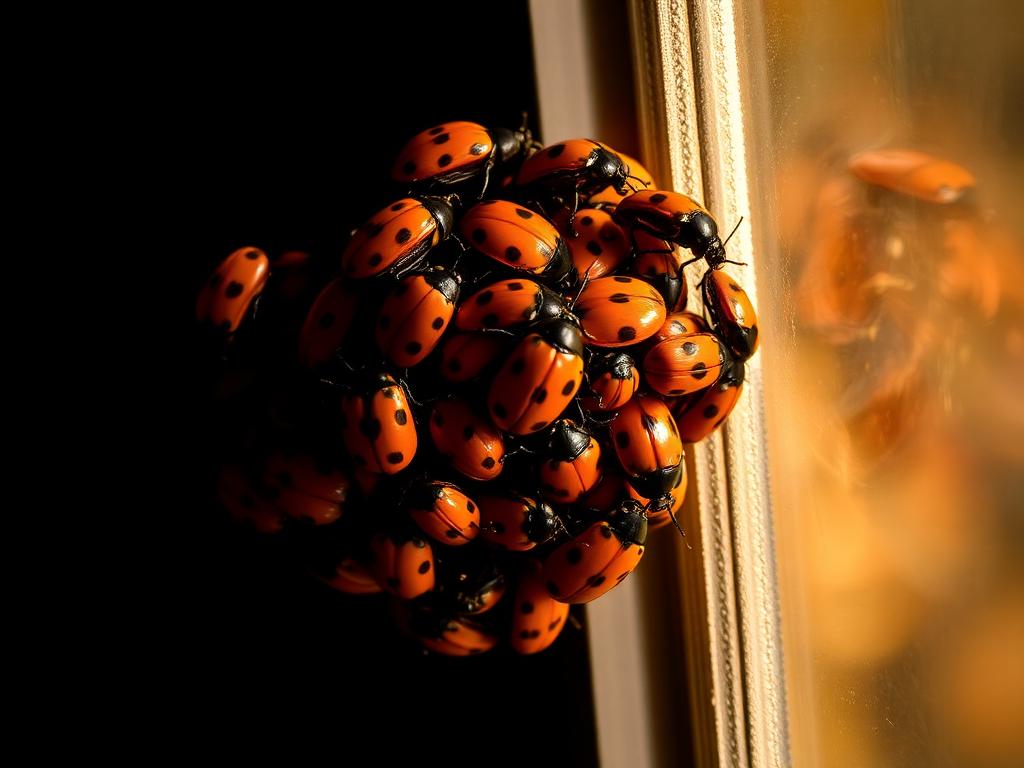 Peaks Oct
Asian Lady Beetle
Harmonia axyridis
Overwinters in wall voids by the hundreds and stains what it lands on.
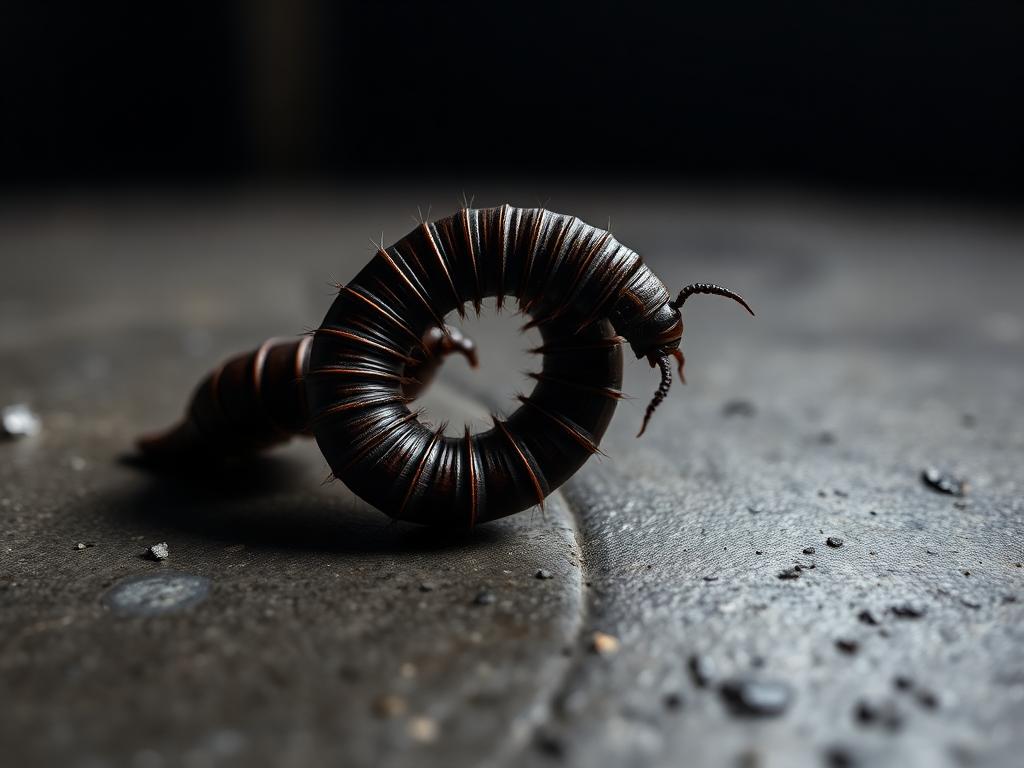 Peaks Sep
Millipede
Mass movement indoors after heavy rain, then dies on the floor.
Send us a photo instead
Describe where you found it and how many. A technician will tell you the species and whether it warrants a visit.
Get an identification