
Cockroaches
German Cockroach Control in Hampton Roads
The indoor breeding roach — the one that becomes an infestation fast.
Blattella germanica
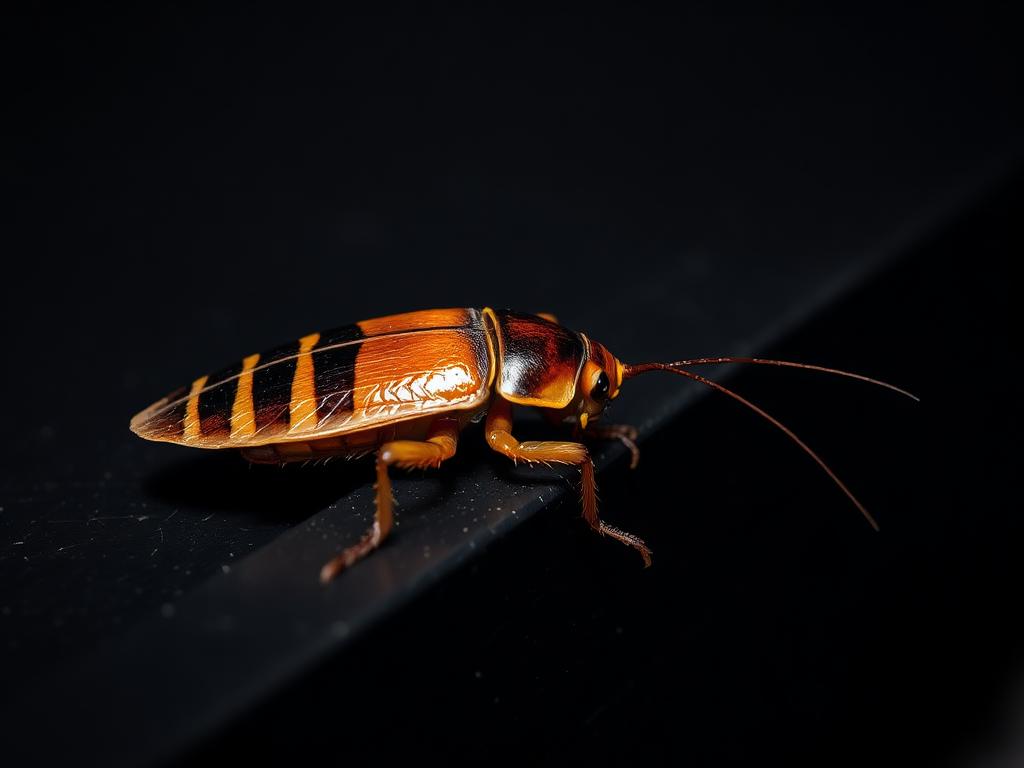
- Adult size
- 1/2" – 5/8"
- Color
- Tan with two dark stripes
- Group size
- Thousands within months
- Lifespan
- About 200 days
German cockroach infestations in Hampton Roads almost never start outdoors. This is an indoor-breeding species that travels in on cardboard, grocery bags, used furniture, and secondhand appliances, then establishes inside cabinets, behind refrigerator motors, and in the warm void behind a dishwasher. Once a handful of adults find a stable food and moisture source, the population compounds fast because each female carries her egg case until just before the nymphs hatch.
The buildings that struggle most with German roaches are the ones where a single infested unit can seed its neighbors: garden-style apartments in Norfolk and Newport News, converted duplexes in Portsmouth, and older multifamily stock near the military-adjacent rental corridors of Hampton and Chesapeake. Shared plumbing chases, common walls, and hallway HVAC returns give roaches a path from one unit to the next regardless of how clean any single tenant keeps their kitchen.
Because the whole population lives indoors year-round, German roach pressure does not really follow a seasonal curve the way outdoor pests do. It follows sanitation, clutter, and how recently a treatment last interrupted the egg-case cycle. A property can go from a handful of sightings to a serious infestation in six to eight weeks if nothing is done, which is why speed of response matters more with this species than with almost any other pest we treat.
How to identify german cockroach
Half-inch tan roach with two dark parallel stripes behind the head. Concentrates in kitchens and bathrooms, in appliance motors, cabinet corners, and hinge voids.
When german cockroach activity peaks
Indoor species — pressure is year-round, with a summer surge.
July — activity index 95 / 100 (annual peak)
German Cockroach biology and life cycle
A German cockroach egg case, or ootheca, holds thirty to forty eggs and the female carries it attached to her body until just before hatching, which protects it from most surface sprays and gives the species its notorious resistance to quick fixes. Nymphs reach reproductive maturity in as little as six weeks under warm kitchen conditions, and a single female can produce four to eight egg cases in her lifetime. That compounding math means a population can move from a few roaches behind the stove to hundreds in a single kitchen within two to three months. Because generations overlap continuously, at any given time an infested unit has adults, nymphs, and unhatched egg cases present simultaneously, which is the core reason a single treatment visit rarely finishes the job — the eggs that survive the first application hatch into a new generation that has to be caught on a follow-up.
When german cockroach pressure peaks in Hampton Roads
German roaches do not disappear in winter the way outdoor pests do, since the entire population lives inside heated structures year-round, but pressure does shift with the calendar. Activity often spikes in late fall and winter as heating systems run and kitchens stay warmer and more humid, and again in summer when window units and older HVAC systems in Norfolk and Portsmouth apartment stock struggle to pull humidity out of the air. New infestations tend to appear right after moves, holidays, and grocery-heavy weeks, since secondhand furniture, delivery boxes, and bulk shopping are the most common introduction routes. Multifamily buildings see the least seasonal variation of any local roach species because a shared wall or utility chase keeps the risk of reinfestation constant regardless of the month.
German Cockroach threat profile
Structural risk
10/100
Damage to framing, floors and finishes
Health risk
90/100
Bites, stings, allergens and pathogens
Spread rate
95/100
How fast it multiplies once established
DIY difficulty
90/100
How reliably store products fail on it
Does yours match? Interactive ID checklist
0 of 5 traits matched
Tick everything you can actually see.
Why it is in your house
Introduced through groceries, deliveries, used appliances, and shared walls. Dense multi-family stock in Norfolk, Portsmouth, and Newport News lets a single unit seed a building.
Field notes: german cockroach you did not know
- Fact 01
One female and her offspring can produce well over 10,000 roaches in a year.
- Fact 02
Their droppings and shed skins are a recognized asthma trigger in children.
- Fact 03
They can flatten into a gap the thickness of two stacked dimes.
Signs of german cockroach activity
- Live roaches seen at night when a kitchen light is switched on, scattering toward cabinet gaps and appliance seams.
- Small dark fecal specks resembling ground pepper along cabinet corners, drawer tracks, and behind the stove.
- Oval brown egg cases wedged into cabinet hinges, under the sink, or behind refrigerator kick plates.
- A persistent musty, oily odor in cabinets or pantries that intensifies as the population grows.
- Smear marks along baseboards and cabinet edges where roaches travel repeatedly along the same routes.
- Roaches appearing inside dishwashers, toasters, and coffee makers where warmth and moisture concentrate.
What german cockroach activity costs you
German roaches are a documented indoor allergen and asthma trigger — their shed skins and fecal material contain proteins that sensitize occupants over time, and pediatric asthma studies have repeatedly linked chronic cockroach exposure to worse symptom control in children. They also mechanically transport bacteria from drains, garbage, and sewage-adjacent surfaces onto countertops and food-contact areas as they forage at night. In rental housing across Hampton Roads, an unresolved German roach infestation is also a documented liability and code issue: it can trigger health department complaints, affect lease renewals, and in multifamily buildings spread from a single non-compliant unit to units that are otherwise well maintained, creating disputes between tenants and property managers over responsibility and cost.
What actually removes it
Gel baiting with rotation, insect growth regulator, harborage sealing, and sanitation changes. Repeated follow-up visits are required to break the egg-case cycle.
Cockroach ControlThe Guardex german cockroach treatment plan
01 · Inspection and harborage mapping
We identify every active harborage — cabinet voids, appliance motors, hinge points — using a flashlight inspection and, where useful, a flushing agent. This tells us the size of the population before we commit to a product plan.
02 · Gel bait placement with rotation
We place low-odor gel bait in cracks, voids, and travel paths rather than spraying exposed surfaces, since German roaches show documented resistance to some bait actives and rotation prevents that resistance from taking hold. Baiting also lets the colony carry the active ingredient back to nest mates and egg-laying females.
03 · Insect growth regulator application
An IGR disrupts nymph development into reproductive adults, cutting off the population's ability to rebound even where a few individuals avoid the bait. This is the step that breaks the compounding math of the egg-case cycle.
04 · Sanitation guidance and sealing
We identify the specific conditions feeding the infestation — grease buildup, standing water, gaps around plumbing penetrations — and seal accessible entry points between units. A scheduled follow-up visit confirms the egg cases present at the first visit have hatched and been eliminated.
Why store-bought products usually fail
Retail aerosol sprays and foggers are the single worst response to a German roach infestation because they are repellent products: roaches detect the chemical and scatter away from the treated area into wall voids and neighboring rooms, which can push a contained kitchen problem into bedrooms or an adjoining unit. Store-bought bait stations often use a single active ingredient with no rotation strategy, and German roach populations in dense multifamily housing have shown measurable resistance to several common over-the-counter actives after repeated exposure. Foggers in particular fail to reach the cracks, hinges, and voids where roaches actually spend their time, since the fog settles on open surfaces roaches avoid. Without professional-grade gel bait rotation and an insect growth regulator to interrupt reproduction, a DIY effort typically knocks down visible adults temporarily while leaving the egg cases and hidden population fully intact.
Prevention checklist
- Store dry goods in sealed containers rather than the original cardboard or paper packaging.
- Run the kitchen exhaust fan and fix any dripping faucets or slow drains that keep cabinets humid.
- Inspect secondhand furniture and appliances for egg cases before bringing them inside.
- Take out kitchen trash nightly rather than letting it sit in an uncovered can.
- Seal gaps around plumbing penetrations under sinks and behind the refrigerator and stove.
- In multifamily buildings, report roach activity to management promptly rather than treating a single unit in isolation.
Where german cockroach pressure runs highest
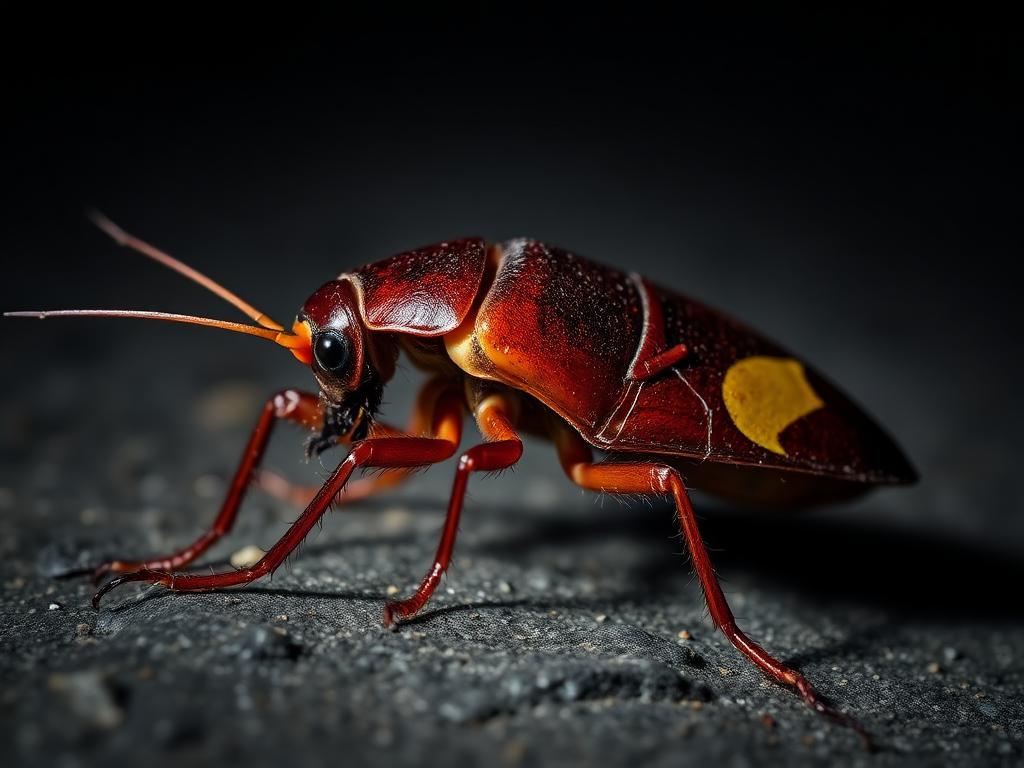
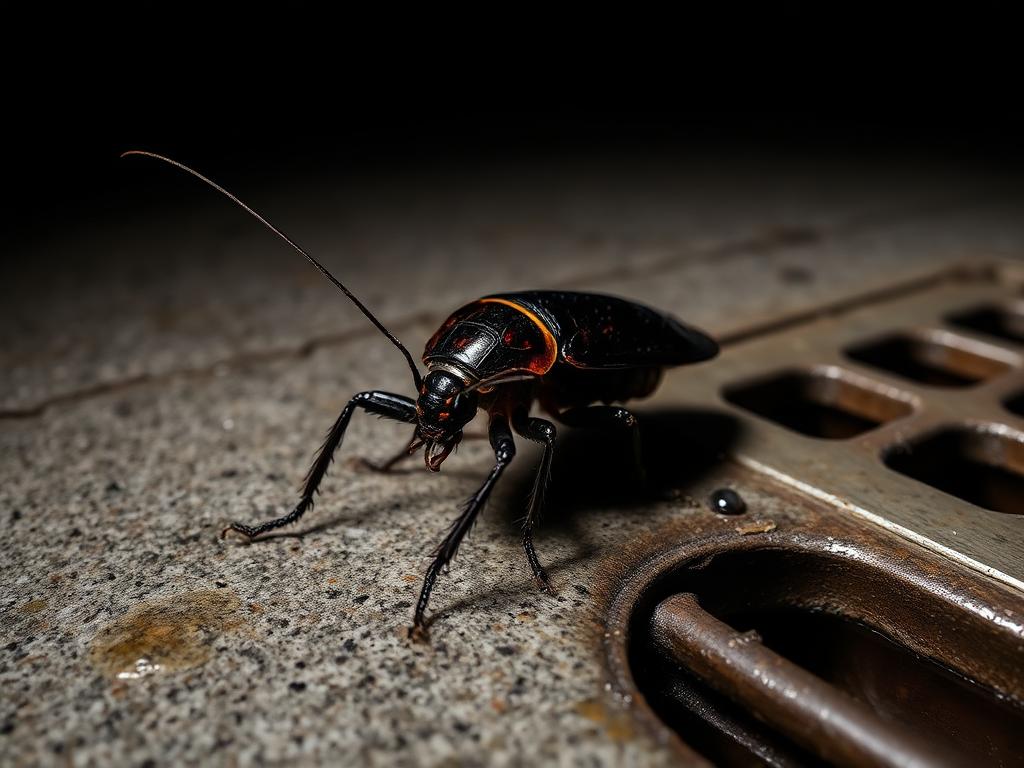
Commonly mistaken for german cockroach
German Cockroach questions we get asked
- How fast can German roaches take over a kitchen?
- Under warm, humid conditions a small population can grow into a serious infestation in six to ten weeks because generations overlap and each female produces multiple egg cases. That is why we recommend acting on the first sighting rather than waiting to see if it gets worse.
- Are German cockroaches common in Norfolk and Newport News apartments?
- Yes. Dense multifamily and military-adjacent rental housing with shared walls and plumbing chases is the highest-risk housing type for this species anywhere in Hampton Roads, and infestations frequently move between adjoining units if only one is treated.
- How long does treatment take to finish the job?
- Most German roach programs need two to three visits spaced two to three weeks apart to catch the eggs that survive the first application as they hatch. Sightings usually drop sharply after the first visit, but full elimination takes the full sequence.
- Will bug bombs or foggers get rid of them?
- No — foggers are repellent and push roaches deeper into wall voids and neighboring units rather than eliminating the colony, and they rarely reach the cracks and hinge points where roaches actually harbor. Gel bait and growth regulators reach those hidden populations; foggers do not.
- Is this a cleanliness problem?
- Not necessarily. Clutter and food debris make an infestation grow faster, but German roaches arrive through deliveries, secondhand items, and shared building infrastructure regardless of how clean a unit is kept, so a sighting is not proof of poor housekeeping.
German Cockroach control by city and county
- German Cockroach control in Virginia Beach, VA
- German Cockroach control in Chesapeake, VA
- German Cockroach control in Norfolk, VA
- German Cockroach control in Portsmouth, VA
- German Cockroach control in Suffolk, VA
- German Cockroach control in Newport News, VA
- German Cockroach control in Hampton, VA
- German Cockroach control in Poquoson, VA
- German Cockroach control in Smithfield, VA
- German Cockroach control in Isle of Wight County, VA
- German Cockroach control in Carrollton, VA
Services that handle german cockroach problems
- Quarterly Pest ControlRecurring exterior-focused program covering the region's standard pest set.
- Ant ControlSpecies-specific baiting for odorous house, Argentine, pavement, and fire ants.
- Rodent Control & ExclusionTrapping paired with physical exclusion so they cannot come back.
- Mosquito & Tick ControlYard programs targeting harborage and standing-water breeding sites.
- Bed Bug TreatmentInspection-driven treatment programs with confirmation follow-ups.
- Wildlife ExclusionSquirrel, raccoon, opossum, and bat removal with permanent structural sealing.
Further reading
Others in this category
Confirm the ID and get it handled
Send a photo and the location in the structure. A licensed technician will tell you the species and whether it needs a visit.
Request an inspection