
Smithfield, VA
Bed Bug Control in Smithfield
Introduced by travel and used furniture — never by sanitation. Powderpost beetles and old house borer in aged framing, subterranean termites, crawl space decay fungus, and rodent activity around the older commercial blocks.
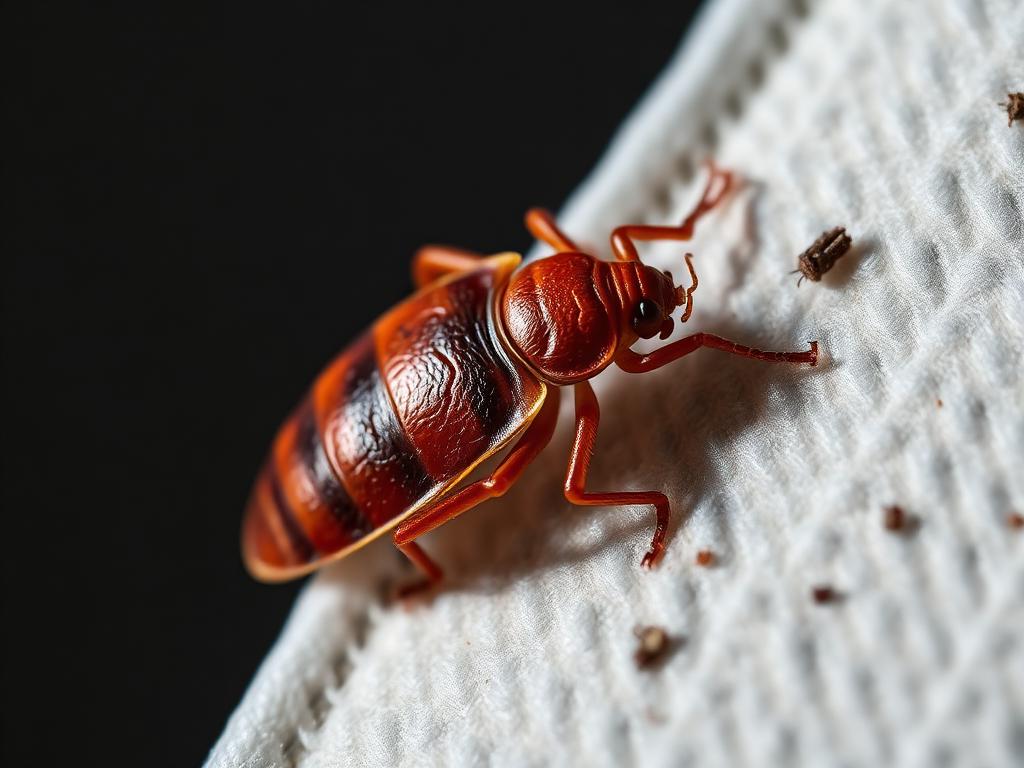
- Adult size
- 3/16", apple-seed size
- Color
- Rust brown, flat until fed
- Group size
- Hundreds in one room
- Lifespan
- 6 – 12 months
Identifying it
Apple-seed sized, flat, reddish-brown. Look for dark spotting along mattress piping, shed skins in seams, and clustered bites on exposed skin.
Why Smithfield sees this
Constant military relocation, hotel traffic, and rental turnover across Hampton Roads keep introduction pathways open year-round.
18th- and 19th-century frame houses in the historic district on shallow crawl spaces, alongside newer slab construction in the surrounding developments.
Pagan River frontage, tidal creeks, and a mix of agricultural and hydric soils. Historic structures sit close to grade with limited original drainage.
Bed bugs do not care how clean a home is — they are introduced, not grown, and the single biggest driver of new infestations in Hampton Roads is movement of people and belongings, not sanitation. Travel, secondhand furniture, and shared or frequently turned-over housing all move bed bugs from one location to another, and the region's significant military-adjacent rental turnover in Norfolk, Virginia Beach, Hampton, and Newport News creates a steady stream of moves in and out of apartments and short-term housing where an infestation in one unit can spread before it is caught.
Unlike outdoor pests, bed bugs are not weather-driven and are found year-round in Hampton Roads homes, apartments, and hotels regardless of season, since they live entirely indoors in climate-controlled conditions. What does fluctuate seasonally is introduction risk: summer travel season and the peak of military PCS moving season in Norfolk, Virginia Beach, and Hampton bring a noticeable uptick in new introductions as households relocate, furniture changes hands, and short-term stays in hotels and temporary housing increase. Holiday travel in late fall and winter produces a smaller secondary bump in new cases traced back to travel.
When bed bug activity peaks
Travel-driven, so year-round — with a summer bump from vacations and moves.
July — activity index 95 / 100 (annual peak)
Does yours match? Interactive ID checklist
0 of 4 traits matched
Tick everything you can actually see.
Signs of bed bug activity
- Small reddish-brown fecal spots, roughly the size of a period, appear along mattress seams, box spring edges, or headboard joints.
- Tiny pale, translucent shed skins accumulate near seams and cracks close to the bed.
- Bites appear as small, itchy welts, often in a line or cluster, typically on skin exposed while sleeping.
- A sweet, musty odor is noticeable in a heavily infested room.
- Live bugs, flat and reddish-brown before feeding, are found in mattress seams, bed frame joints, or behind headboards during a flashlight inspection.
- Small bloodstains appear on sheets from bugs crushed during sleep.
Bed Bug threat profile
Structural risk
0/100
Damage to framing, floors and finishes
Health risk
60/100
Bites, stings, allergens and pathogens
Spread rate
90/100
How fast it multiplies once established
DIY difficulty
100/100
How reliably store products fail on it
Field notes: bed bug you did not know
- Fact 01
They can survive several months without a blood meal.
- Fact 02
They track exhaled carbon dioxide and body heat to find you in the dark.
- Fact 03
Widespread resistance to pyrethroids is exactly why store sprays scatter them.
How we remove it
Full harborage inspection, targeted treatment with residual and growth regulator, encasements, and multiple follow-up visits to break the life cycle.
Routing Town of Smithfield daily, including Historic District, Cypress Creek, Gatling Pointe, Moonefield, Wellington Estates.
The Guardex bed bug treatment plan
01 · Inspection and confirmation
The technician inspects mattress seams, bed frames, baseboards, and nearby furniture to confirm an active infestation and assess how far it has spread beyond the immediate sleeping area, since bed bugs disperse along seams and cracks rather than staying in one visible spot.
02 · Preparation guidance
The household is given specific preparation steps — laundering and heat-drying bedding, reducing clutter, vacuuming — because treatment effectiveness depends heavily on access to harborage points that clutter otherwise blocks.
03 · Targeted treatment application
A combination of residual and non-repellent products, and in some cases heat treatment, is applied directly to identified harborage points including seams, cracks, and voids near the sleeping area, rather than a broad general room spray.
04 · Follow-up inspection
A return visit confirms elimination, since bed bug eggs can survive an initial treatment and hatch afterward, making a follow-up check essential rather than optional for full resolution.
Why store-bought products usually fail
Retail bed bug sprays are contact-kill products that do almost nothing against eggs, and bed bugs hide deep in seams, cracks, and voids that a spray bottle simply cannot reach thoroughly enough to eliminate an entire population. Over-the-counter foggers are particularly counterproductive: they can scatter a population into neighboring rooms or adjoining units rather than eliminating it, making a contained problem worse in multi-family housing. Full elimination requires locating every harborage point, applying the correct combination of products or heat with proper technique, and following up to catch any eggs that survived the first treatment — work that consistently underperforms when attempted with retail products alone.
Prevention checklist
- Inspect secondhand furniture and mattresses carefully before bringing them into the home.
- Use a protective, zippered encasement on mattresses and box springs to limit hiding spots.
- Inspect luggage and clothing carefully after travel or hotel stays before bringing bags into the bedroom.
- Reduce clutter near the bed to limit available harborage points.
- Address any suspected infestation promptly rather than waiting, since populations grow continuously once established.
- In multi-family housing, report suspected activity to property management quickly to limit spread to adjoining units.
Bed Bug questions we get asked
- Did we get bed bugs because the house is dirty?
- No. Bed bugs are introduced through travel, secondhand furniture, or contact with an infested space and are not related to cleanliness; even well-maintained homes and apartments get them.
- Do bed bugs spread disease?
- No, there is no evidence bed bugs transmit disease to humans; the harm is sleep disruption, itchy bites, stress, and the cost of treatment and replacing infested items.
- How long does treatment take and what does it cost?
- Most cases require an initial treatment plus a follow-up visit a few weeks later to catch any eggs that survived; cost depends on the extent of the infestation and number of rooms affected.
- Is this common in my area, like apartments near the military bases?
- Yes, frequent moves and shared or short-term housing near Norfolk, Virginia Beach, and Hampton's military-adjacent rental market create regular introduction opportunities, making this one of the more common calls in those areas.
- Can bed bugs spread from a neighboring apartment?
- Yes, they can travel through wall voids, shared plumbing chases, and hallways, or hitchhike on belongings moved between units, which is why prompt treatment and reporting matters in multi-family buildings.
Other pests in Smithfield
- Eastern Subterranean Termite control in Smithfield
- Formosan Subterranean Termite control in Smithfield
- Powderpost Beetle control in Smithfield
- Carpenter Ant control in Smithfield
- Carpenter Bee control in Smithfield
- Wood-Decay Fungus control in Smithfield
- German Cockroach control in Smithfield
- American Cockroach control in Smithfield
- Oriental Cockroach control in Smithfield
- Odorous House Ant control in Smithfield
- Red Imported Fire Ant control in Smithfield
- Norway Rat control in Smithfield
- House Mouse control in Smithfield
- Squirrel control in Smithfield
- Camel Cricket control in Smithfield
- Springtail control in Smithfield
- Asian Tiger Mosquito control in Smithfield
- Salt Marsh Mosquito control in Smithfield
- Blacklegged (Deer) Tick control in Smithfield
- Yellowjacket control in Smithfield
- Brown Marmorated Stink Bug control in Smithfield
Bed Bug nearby in Isle of Wight
Bed Bug problem in Smithfield?
Tell us where you are finding them and how often. We will confirm the species and put a plan on the calendar.
Request an inspection