
Ants
Odorous House Ant Control in Hampton Roads
The most common trailing ant in regional kitchens.
Tapinoma sessile
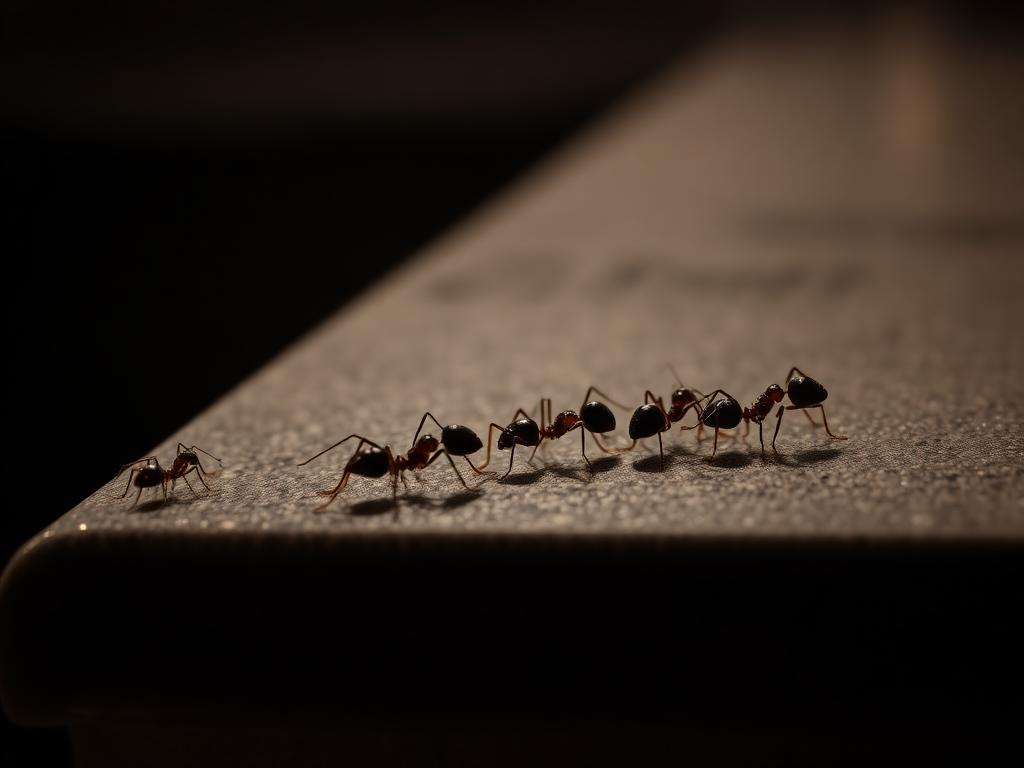
- Adult size
- 1/8"
- Color
- Brown to black
- Group size
- 10,000+, multi-queen
- Lifespan
- Queen several years
Odorous house ants are the small dark ants most Hampton Roads homeowners find trailing along a kitchen counter or baseboard, easy to identify by the distinct rotten-coconut smell they release when crushed. They are opportunistic feeders drawn to sugary spills, pet food, and ripe fruit, and a single foraging trail can appear seemingly overnight once a scout finds a reliable food source and recruits nest mates.
What makes this species particularly persistent locally is how flexible its nesting habits are. Colonies establish in wall voids, under slabs, beneath mulch beds against the foundation, and in potted plants, and they move indoors readily during both heavy rain, when nests flood, and drought, when outdoor food and moisture dry up. That two-directional trigger means odorous house ant calls come in throughout the year rather than clustering around one weather pattern.
Because a single colony can include multiple queens and satellite nests, treatment approach matters more than most people expect. The wrong response — a repellent spray at the point of entry — can fracture a colony into several independent nests, turning what should have been a contained problem into an ongoing one spread across a property.
How to identify odorous house ant
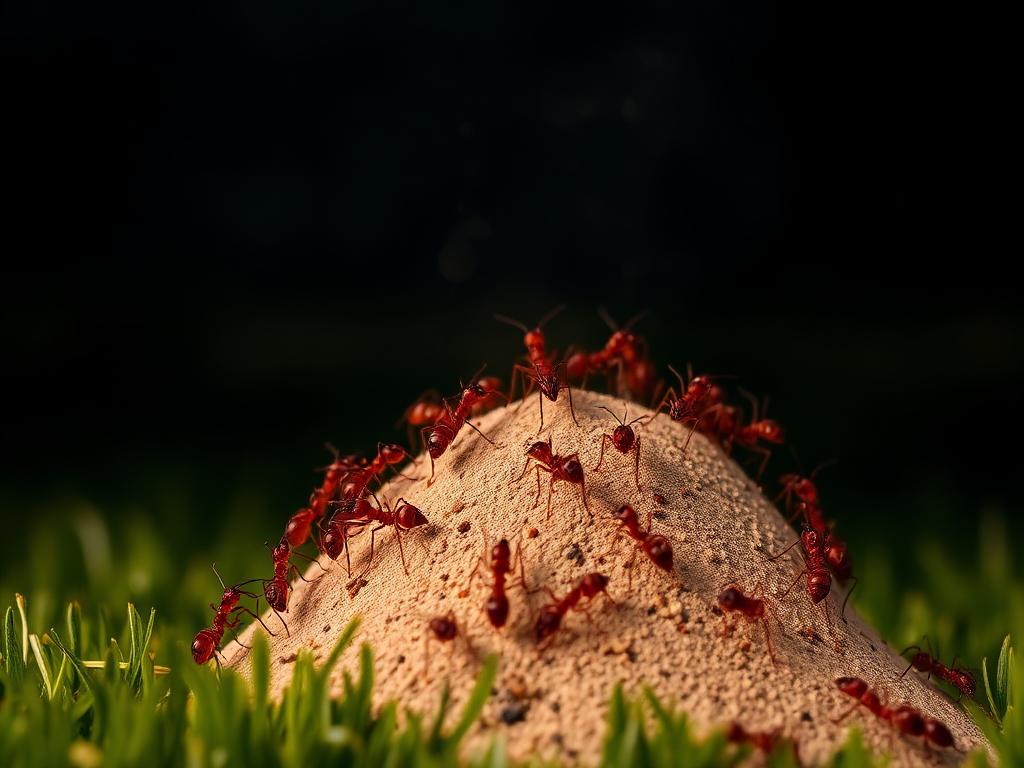
Small dark brown ant, about an eighth of an inch, with a coconut or rotten-coconut smell when crushed. Trails along counters, baseboards, and plumbing lines.
When odorous house ant activity peaks
Indoor trails surge after spring rain and again in the late-summer dry stretch.
June — activity index 95 / 100 (annual peak)
Odorous House Ant biology and life cycle
Odorous house ant colonies are polygynous, meaning they support multiple egg-laying queens rather than a single one, and a mature colony can contain several thousand workers spread across interconnected satellite nests. Queens lay eggs continuously through the warmer months, and development from egg to worker takes roughly a month under favorable temperatures, which lets colonies rebuild worker numbers quickly after a disturbance. This multi-queen structure is the central challenge in controlling the species: because reproduction is distributed across several queens in several locations rather than one central nest, a treatment that only reaches part of the colony leaves enough reproductive capacity intact for the population to recover. New satellite nests can also form through a process called budding, where a queen and a group of workers split off to establish a new nest, which happens naturally but happens more readily when a colony is disturbed by a repellent chemical.
When odorous house ant pressure peaks in Hampton Roads
Odorous house ant activity in Hampton Roads picks up in spring as temperatures warm and colonies resume active foraging, and it typically peaks through the humid summer months when food demand is highest. A secondary surge often follows heavy summer and early fall rain events, when saturated soil floods shallow outdoor nests and drives workers and sometimes entire colonies indoors seeking dry ground — a pattern that shows up consistently after tropical storm systems move through the coastal plain. Drought conditions produce a similar indoor push for the opposite reason, as ants move inside searching for moisture. Indoor sightings can occur in any month in homes with a heated kitchen and a nearby wall void colony, but the sharpest seasonal spikes track directly with the region's rainfall pattern rather than temperature alone.
Odorous House Ant threat profile
Structural risk
5/100
Damage to framing, floors and finishes
Health risk
15/100
Bites, stings, allergens and pathogens
Spread rate
85/100
How fast it multiplies once established
DIY difficulty
85/100
How reliably store products fail on it
Does yours match? Interactive ID checklist
0 of 4 traits matched
Tick everything you can actually see.
Why it is in your house
Colonies nest in wall voids, under slabs, and in mulch against the foundation, and move indoors during heavy rain and drought alike.
Field notes: odorous house ant you did not know
- Fact 01
Crushed, they smell like a rotten coconut or blue cheese — the fastest field ID there is.
- Fact 02
Spraying the trail makes it worse: the colony buds into several new colonies.
- Fact 03
Colonies routinely nest in wall voids, under toilets and inside potted plants.
Signs of odorous house ant activity
- Small dark ants trailing along kitchen counters, baseboards, or window sills, often near a water source.
- A distinct rotten-coconut odor when one or more ants are crushed.
- Trails that appear suddenly after rain, often following plumbing lines or wall-floor junctions indoors.
- Ant activity concentrated around sweet spills, pet food dishes, or ripe fruit left on a counter.
- Visible ants in bathroom areas following moisture along pipes or under sinks.
- Winged reproductive ants (alates) appearing indoors, typically in late spring or summer during a nuptial flight.
What odorous house ant activity costs you
Odorous house ants do not bite, sting, or transmit disease, so the risk they pose is primarily nuisance and food contamination — trails crossing food prep surfaces and open food containers is the main practical concern for most households. The bigger risk is a process problem rather than a health one: because colonies include multiple queens and satellite nests, an improperly treated infestation can fracture into several new colonies spread through a structure's wall voids, turning a single kitchen trail into recurring activity in multiple rooms over subsequent months. In commercial kitchens and food-service settings across the region, an established odorous house ant presence can also become a health inspection issue if trails reach food storage or prep areas repeatedly.
What actually removes it
Non-repellent and sweet-matrix baiting to eliminate the colony. Repellent sprays cause budding, which splits one colony into several.
Ant ControlThe Guardex odorous house ant treatment plan
01 · Trail tracing and nest identification
We follow active trails back toward their source to identify indoor and outdoor nest locations, since effective treatment depends on locating as much of the colony network as possible. We also check moisture-prone areas like mulch beds and slab edges.
02 · Non-repellent perimeter treatment
We apply a non-repellent product around the foundation and known trail routes so foraging ants carry the active ingredient back to the nest and queens rather than being repelled away, which would risk splitting the colony.
03 · Interior and exterior baiting
Sweet-matrix bait placements target the colony's food preference directly and are placed along active trails rather than randomly, maximizing uptake back to the nest. Bait selection is adjusted if uptake is slow.
04 · Moisture and harborage reduction
We identify and flag conducive conditions — mulch piled against the foundation, irrigation overspray, gutter drainage issues — that make a property attractive to this species, since removing them reduces the chance of reinfestation.
Why store-bought products usually fail
Retail ant sprays are almost always repellent formulations, and applying one to a visible trail is the single most common mistake homeowners make with this species — it does not reach the queens and instead disperses workers, often triggering the colony to bud into multiple new nests spread further through the structure. Store-bought bait stations can work in principle but are frequently placed away from active trails or use a bait matrix the colony is not currently favoring, leading to little or no uptake. Because a mature colony can have interconnected satellite nests in several locations around a property, a homeowner treating only the kitchen where ants are visible is very unlikely to reach the reproductive core of the colony, and surface cleaning — while good sanitation practice — does not remove an established nest in a wall void or under a slab.
Prevention checklist
- Wipe up sugary spills and rinse recyclables before ants can establish a reliable trail.
- Store pet food in sealed containers rather than open bags or bowls left out overnight.
- Keep mulch pulled back several inches from the foundation to reduce nesting habitat.
- Fix leaking outdoor spigots and irrigation overspray that keep soil near the foundation consistently damp.
- Trim tree and shrub branches that touch the roofline or siding, since they serve as ant highways.
- Seal visible gaps around utility penetrations and window frames where trails commonly enter.
Where odorous house ant pressure runs highest
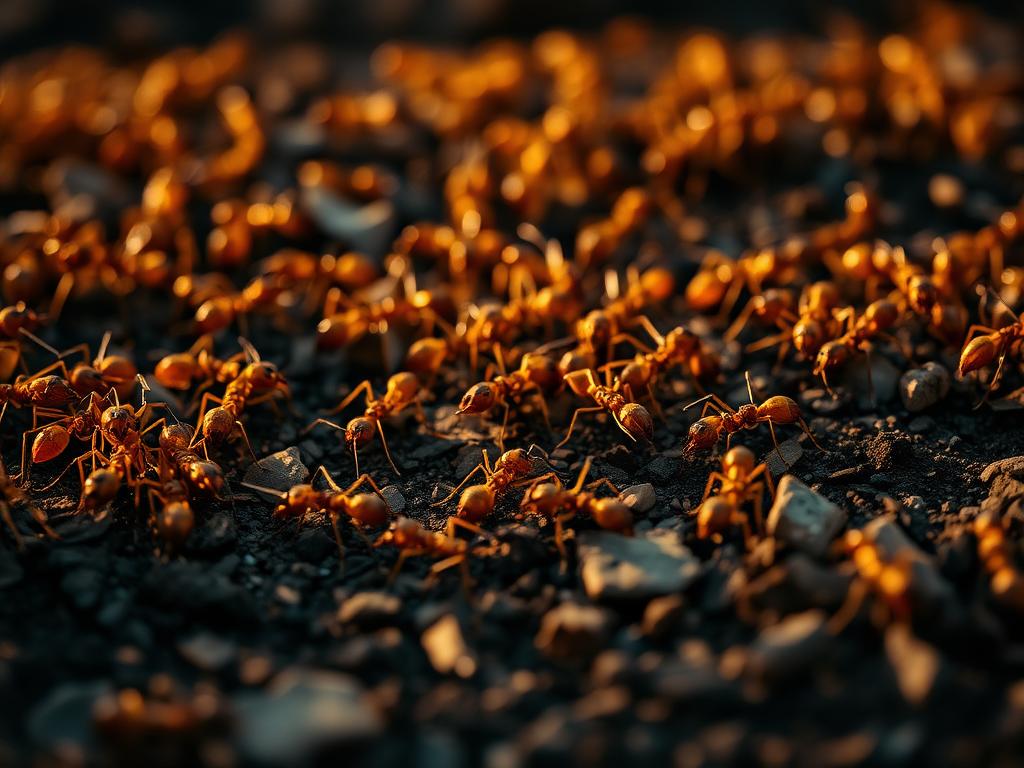
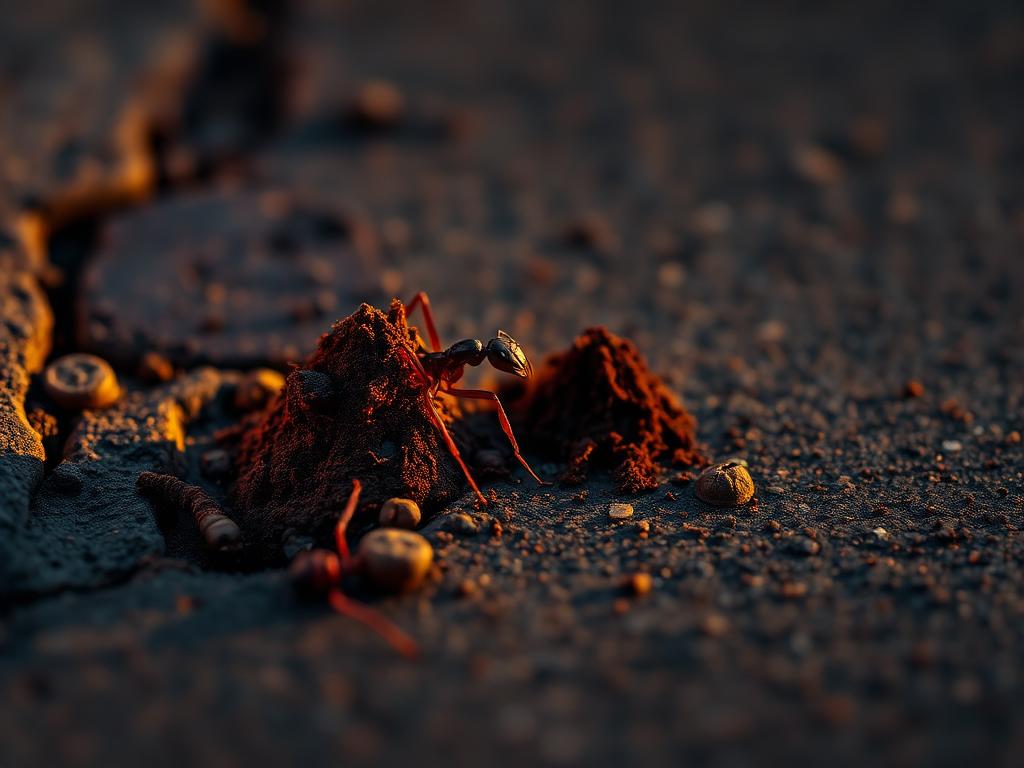
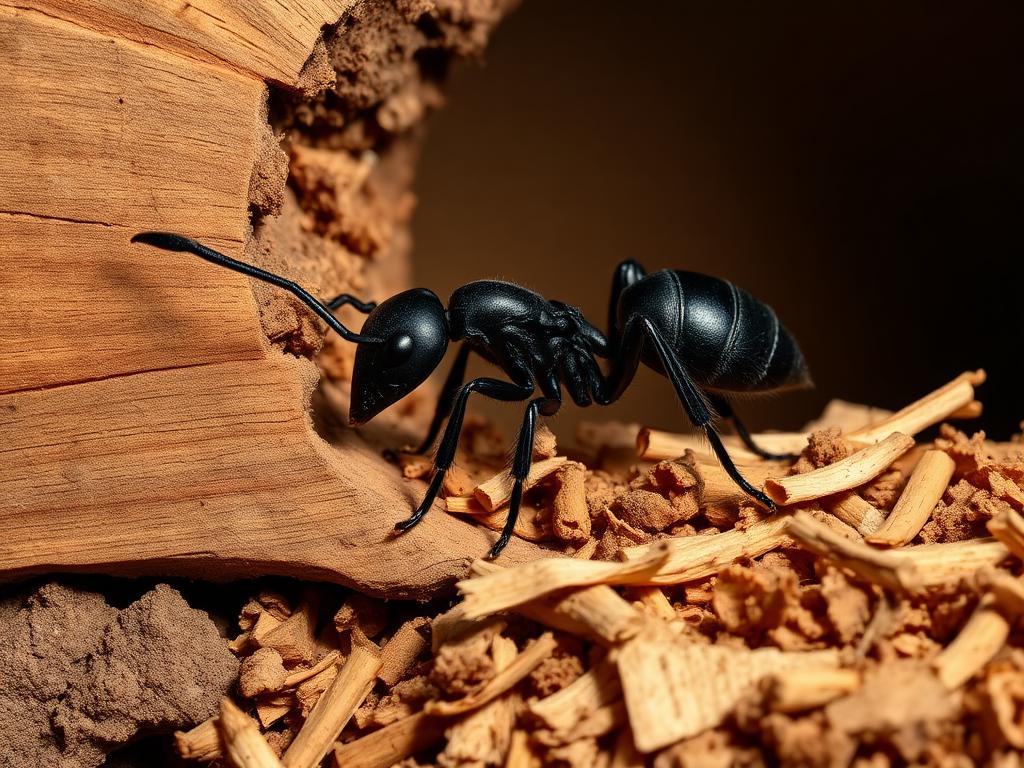
Commonly mistaken for odorous house ant
Odorous House Ant questions we get asked
- Why did ants suddenly appear in my kitchen after it rained?
- Heavy rain floods shallow outdoor nests, and the colony moves indoors seeking dry ground, which is one of the most common triggers we see for sudden indoor trails in Hampton Roads after a storm system moves through.
- Why do the ants smell bad when I squish them?
- That rotten-coconut odor is a defensive chemical this species releases when crushed, and it is actually one of the easiest ways to confirm the species before choosing a treatment approach.
- Should I just spray the trail I see on the counter?
- No — a repellent spray on a visible trail can split the colony into multiple new nests instead of eliminating it. Non-repellent bait that workers carry back to the nest is far more effective for this species.
- How long does it take to eliminate a colony?
- Because of multiple queens and satellite nests, full elimination typically takes several weeks with baiting and perimeter treatment, though visible trail activity usually drops noticeably within the first one to two weeks.
- Are odorous house ants common throughout Hampton Roads?
- Yes, they are one of the most frequently reported nuisance ants across Virginia Beach, Chesapeake, Suffolk, and the Peninsula cities, found in nearly every type of housing from older downtown buildings to new construction.
Odorous House Ant control by city and county
- Odorous House Ant control in Virginia Beach, VA
- Odorous House Ant control in Chesapeake, VA
- Odorous House Ant control in Norfolk, VA
- Odorous House Ant control in Portsmouth, VA
- Odorous House Ant control in Suffolk, VA
- Odorous House Ant control in Newport News, VA
- Odorous House Ant control in Hampton, VA
- Odorous House Ant control in Poquoson, VA
- Odorous House Ant control in Smithfield, VA
- Odorous House Ant control in Isle of Wight County, VA
- Odorous House Ant control in Carrollton, VA
Services that handle odorous house ant problems
- Quarterly Pest ControlRecurring exterior-focused program covering the region's standard pest set.
- Cockroach ControlGerman roach elimination indoors, American and oriental roach control at the source.
- Rodent Control & ExclusionTrapping paired with physical exclusion so they cannot come back.
- Mosquito & Tick ControlYard programs targeting harborage and standing-water breeding sites.
- Bed Bug TreatmentInspection-driven treatment programs with confirmation follow-ups.
- Wildlife ExclusionSquirrel, raccoon, opossum, and bat removal with permanent structural sealing.
Others in this category
Confirm the ID and get it handled
Send a photo and the location in the structure. A licensed technician will tell you the species and whether it needs a visit.
Request an inspection