
Wood-destroying organisms
Carpenter Ant Control in Hampton Roads
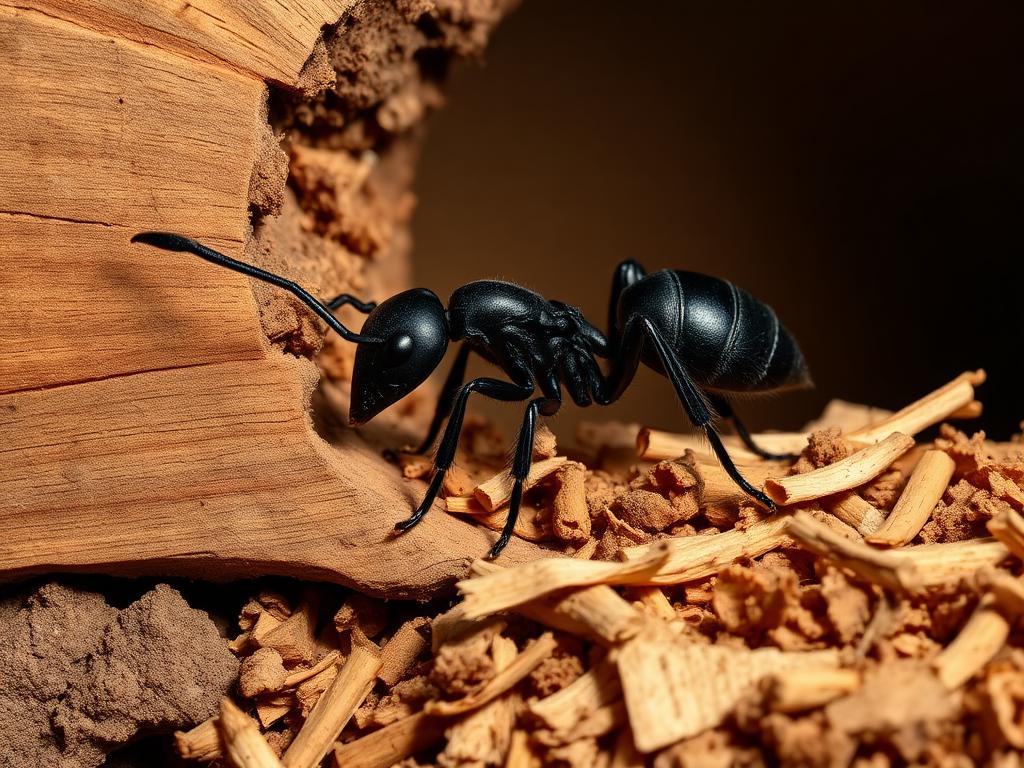
Large black ants excavating galleries in wood that is already wet.
Camponotus spp.
- Adult size
- 1/4" – 1/2"
- Color
- Black, sometimes red-black
- Group size
- 3,000 – 15,000
- Lifespan
- Queen up to 15 years
Carpenter ants do not eat wood the way termites do, they excavate it, hollowing out smooth galleries to build nesting space while pushing out a distinctive coarse, sawdust-like frass mixed with discarded insect body parts. That distinction matters because a carpenter ant infestation is, in almost every local case, a secondary problem: the ants are exploiting wood that is already wet and softened, not creating the moisture problem themselves. Finding carpenter ants in a wall or window frame is a reliable signal that a leak or drainage failure is present nearby.
Heavy tree canopy along the wooded corridors of northern Suffolk, much of Chesapeake, and throughout Isle of Wight County keeps satellite colonies established close to homes, since carpenter ants commonly maintain a parent colony in a dead tree or stump and send workers out to establish smaller satellite colonies in nearby structures. This makes carpenter ant activity somewhat different from an isolated indoor pest problem: eliminating an indoor satellite colony without addressing the parent colony nearby often just results in a new satellite forming again later.
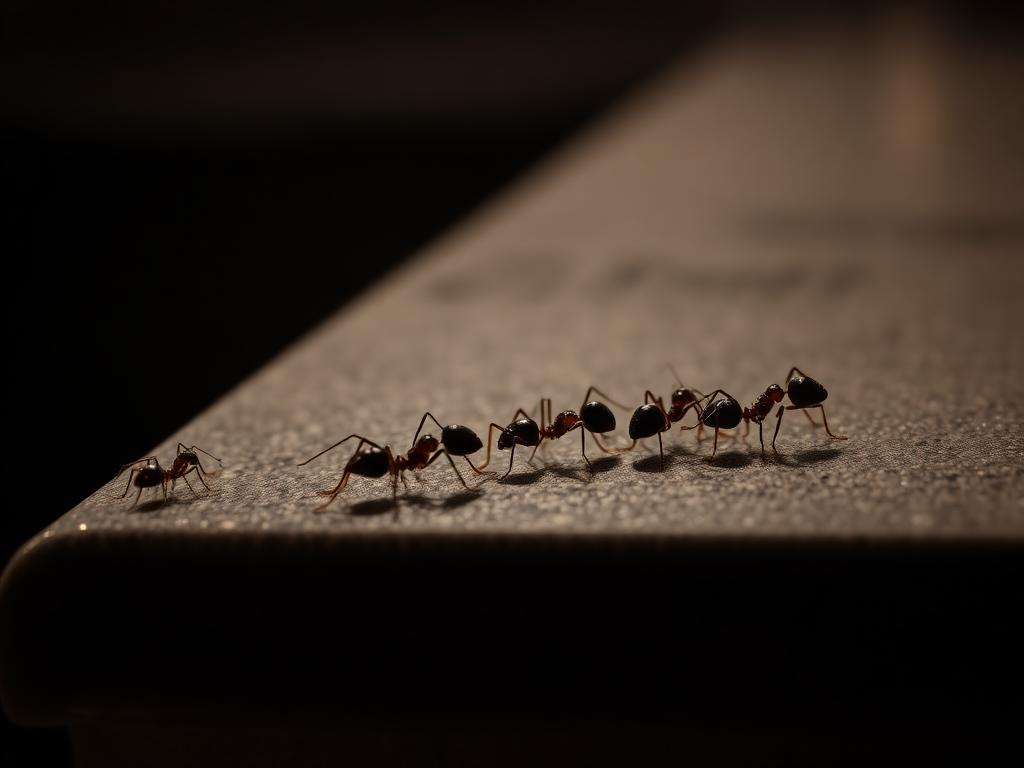
The species most commonly involved locally is a large black or bicolored ant a quarter inch or bigger, typically seen foraging at night along kitchen counters, deck framing, or bathroom window sills. Homeowners in coastal properties throughout Virginia Beach and Hampton frequently first notice carpenter ants around leaking window frames, wet band joists at the rim of the foundation, or rotted deck ledgers where a flashing failure has let water in for months or years before any ant activity appeared.
How to identify carpenter ant
Quarter-inch or larger black or bicolored ants, often seen at night. They do not eat wood — they excavate it, leaving smooth galleries and coarse sawdust-like frass with insect parts in it.
When carpenter ant activity peaks
Peak foraging May through August; night activity along wire and branch bridges.
June — activity index 95 / 100 (annual peak)
Carpenter Ant biology and life cycle
A carpenter ant colony begins when a mated queen finds a suitable void, often a section of moisture-softened wood, and starts a small brood of workers on her own before the colony becomes self-sustaining. It can take several years for a parent colony to mature enough to establish satellite colonies, smaller worker groups without a queen that maintain contact with the main nest and can be established in structural wood near a moisture source even while the true reproductive colony remains in a nearby tree or stump. Workers forage at night for protein and sugars, often traveling considerable distances between the nest and food sources, and swarms of winged reproductives are produced by mature colonies, usually in late spring, to found new colonies elsewhere. Because a structure often hosts only a satellite colony rather than the full reproductive colony, eliminating the visible activity indoors requires either locating and treating the satellite directly or using bait that workers carry back to the full colony network, including the parent nest that may be entirely outdoors.
When carpenter ant pressure peaks in Hampton Roads
Indoor sightings increase noticeably in late winter and early spring in this region, often the first mild stretch after a cold snap, when overwintering satellite colonies become active again and workers begin foraging more visibly indoors. Winged reproductive swarms typically occur in spring, generally a bit later than eastern subterranean termite swarms, and are sometimes confused with termite swarms by homeowners despite clear physical differences between the two insects. Activity remains elevated through the warmer months as colonies forage actively, and the persistent humidity following hurricane season and heavy summer rain keeps structural wood moisture high enough in vulnerable spots to sustain satellite colony activity well into fall.
Carpenter Ant threat profile
Structural risk
60/100
Damage to framing, floors and finishes
Health risk
10/100
Bites, stings, allergens and pathogens
Spread rate
55/100
How fast it multiplies once established
DIY difficulty
75/100
How reliably store products fail on it
Does yours match? Interactive ID checklist
0 of 5 traits matched
Tick everything you can actually see.
Why it is in your house
They target moisture-damaged wood: leaking window frames, wet band joists, rotted deck ledgers, and damp crawl space framing. Heavy tree canopy across northern Suffolk, the wooded Chesapeake corridors, and Isle of Wight County keeps satellite colonies close to structures.
Field notes: carpenter ant you did not know
- Fact 01
They do not eat wood — they excavate it and push the shavings out, so galleries look sanded smooth.
- Fact 02
Big colonies run satellite nests: the parent nest may be in a tree stump 100 feet from the house.
- Fact 03
They are largely nocturnal, which is why homeowners see them at midnight and never at noon.
Signs of carpenter ant activity
- Large black or bicolored ants a quarter inch or bigger seen foraging at night, often near a kitchen or bathroom.
- Coarse, sawdust-like frass containing visible insect body parts pushed out near a window frame, deck ledger, or band joist.
- Smooth, clean-cut galleries inside wood when a damaged section is opened, distinct from soil-packed termite tunnels.
- A faint rustling sound audible inside a wall void, particularly at night when workers are most active.
- Winged reproductive ants emerging indoors in spring, often mistaken for termite swarmers.
- Visible moisture staining, rot, or softness in the wood at the same location where ant activity is found.
What carpenter ant activity costs you
Because carpenter ants target wood that is already compromised by moisture, their presence functions as an early warning sign for a leak, drainage failure, or rot problem that may otherwise go unnoticed until it becomes far more expensive to repair. Left alone, expanding galleries add structural weakening on top of the pre-existing rot damage, and because satellite colonies can be established in multiple separate locations around a single structure, one visible sighting at a window sill doesn't rule out a second, unrelated satellite forming near a different moisture source elsewhere in the same house. The larger risk in the region's coastal housing is less the ants themselves and more the fact that whatever moisture source drew them in, typically a roof, window, or deck flashing failure, continues to cause damage independently of the ant activity if it isn't identified and repaired.
What actually removes it
Non-repellent and bait application to eliminate the colony, then repair of the wet wood and the leak or drainage failure that caused it.
Ant ControlThe Guardex carpenter ant treatment plan
01 · Moisture source investigation
Before any ant-specific treatment, a technician traces the ant activity back to the moisture source responsible for softening the wood in the first place, whether that's a roof leak, window flashing failure, or deck drainage issue. This step is treated as equally important as the ant treatment itself.
02 · Non-repellent and bait application
Non-repellent products and protein or sugar-based baits are applied to eliminate the colony network, including any satellite colonies and, where locatable, the outdoor parent colony. Repellent sprays are avoided since they can scatter a colony rather than eliminate it.
03 · Direct treatment of located nest voids
Where a satellite nest can be pinpointed within a wall or piece of framing, it is treated directly to eliminate the workers and any brood present. This speeds elimination beyond what bait alone would accomplish on its own timeline.
04 · Wet wood repair and moisture correction
Once the colony is addressed, the underlying wet or rotted wood is repaired or replaced, and the moisture source, leak, flashing, or drainage problem, is corrected to prevent both wood decay and future ant activity from recurring in the same spot.
Why store-bought products usually fail
Retail ant sprays are almost always repellent formulations, which cause a carpenter ant colony to detect the chemical and simply relocate or split into multiple smaller colonies rather than being eliminated, a phenomenon called budding that can turn one manageable colony into several harder-to-find ones. Homeowners also frequently treat only the visible indoor activity without locating or addressing the outdoor parent colony in a nearby tree or stump, which means the satellite indoors is simply replaced by a new one once the treated area is abandoned. Perhaps most importantly, DIY ant treatment does nothing about the moisture problem that made the wood attractive to the ants in the first place, so even a successful ant elimination leaves the underlying rot and future reinfestation risk completely unaddressed.
Prevention checklist
- Repair roof, window, and door flashing promptly to prevent the wood moisture that attracts carpenter ants.
- Keep tree limbs trimmed back from the roofline to reduce easy access routes from a nearby parent colony.
- Address deck ledger and railing connections where water commonly collects against structural wood.
- Remove dead stumps or decaying trees near the house that could host a parent colony.
- Inspect crawl space band joists periodically for moisture and early ant activity.
- Keep firewood and lumber stored away from the house rather than stacked against exterior walls.
Where carpenter ant pressure runs highest
Commonly mistaken for carpenter ant
Carpenter Ant questions we get asked
- How much does carpenter ant treatment usually cost?
- Cost depends on how many satellite colonies are found and whether wood repair is needed alongside the ant treatment itself. Because moisture correction is often part of the job, pricing is set after inspection rather than as a flat rate.
- Are carpenter ants a big problem in my area specifically?
- Yes, particularly in wooded areas of northern Suffolk, Chesapeake, and Isle of Wight County where tree canopy keeps parent colonies close to homes. Coastal properties in Virginia Beach and Hampton also see frequent activity tied to window and deck leaks.
- Does finding carpenter ants mean I have a termite problem too?
- Not necessarily, but it's worth having both checked since carpenter ants and termites can occasionally be found in the same moisture-damaged wood. A technician can distinguish the two easily by the type of damage and the insects themselves.
- How fast will bait treatment actually get rid of the colony?
- Bait treatment typically takes several weeks to fully eliminate a colony network since it relies on workers carrying the product back to the nest, including any outdoor parent colony. Directly located satellite nests can be addressed faster through direct treatment.
- If I fix the leak myself, will the ants go away on their own?
- Sometimes activity decreases once wood dries out, but an established colony often persists even in wood that's no longer actively wet, since the galleries themselves remain suitable habitat. Treatment alongside the repair is the more reliable approach.
Carpenter Ant control by city and county
- Carpenter Ant control in Virginia Beach, VA
- Carpenter Ant control in Chesapeake, VA
- Carpenter Ant control in Norfolk, VA
- Carpenter Ant control in Portsmouth, VA
- Carpenter Ant control in Suffolk, VA
- Carpenter Ant control in Newport News, VA
- Carpenter Ant control in Hampton, VA
- Carpenter Ant control in Poquoson, VA
- Carpenter Ant control in Smithfield, VA
- Carpenter Ant control in Isle of Wight County, VA
- Carpenter Ant control in Carrollton, VA
Services that handle carpenter ant problems
- Quarterly Pest ControlRecurring exterior-focused program covering the region's standard pest set.
- Cockroach ControlGerman roach elimination indoors, American and oriental roach control at the source.
- Rodent Control & ExclusionTrapping paired with physical exclusion so they cannot come back.
- Mosquito & Tick ControlYard programs targeting harborage and standing-water breeding sites.
- Bed Bug TreatmentInspection-driven treatment programs with confirmation follow-ups.
- Wildlife ExclusionSquirrel, raccoon, opossum, and bat removal with permanent structural sealing.
Others in this category
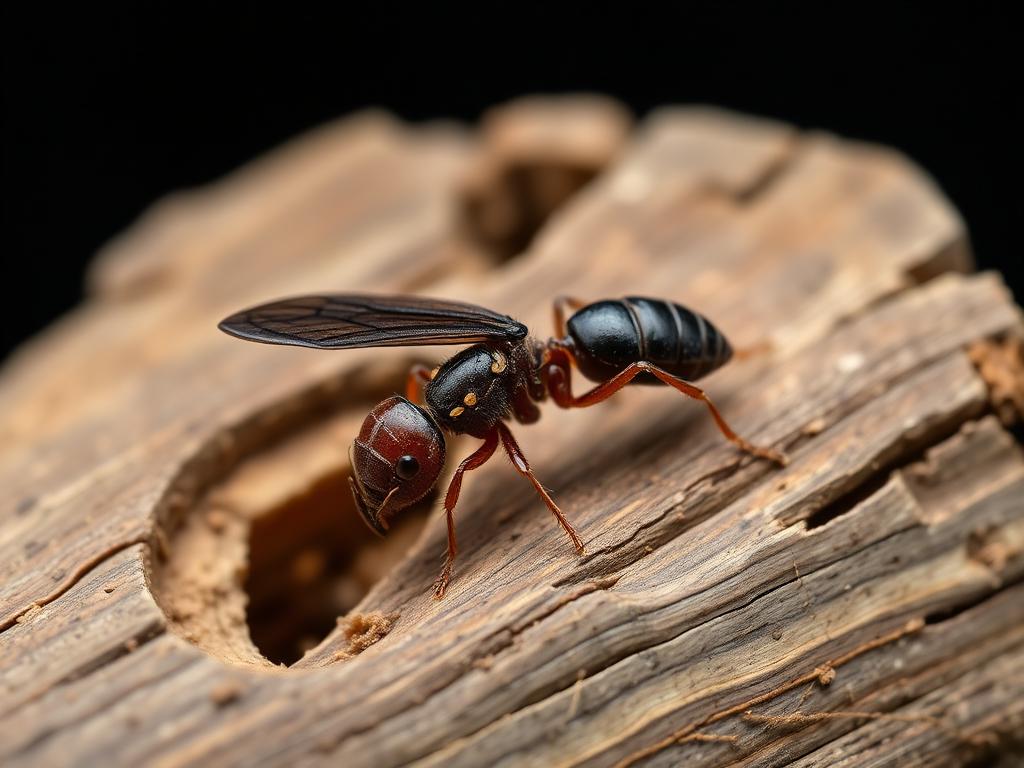
Eastern Subterranean Termite
The default termite threat in every Hampton Roads city.
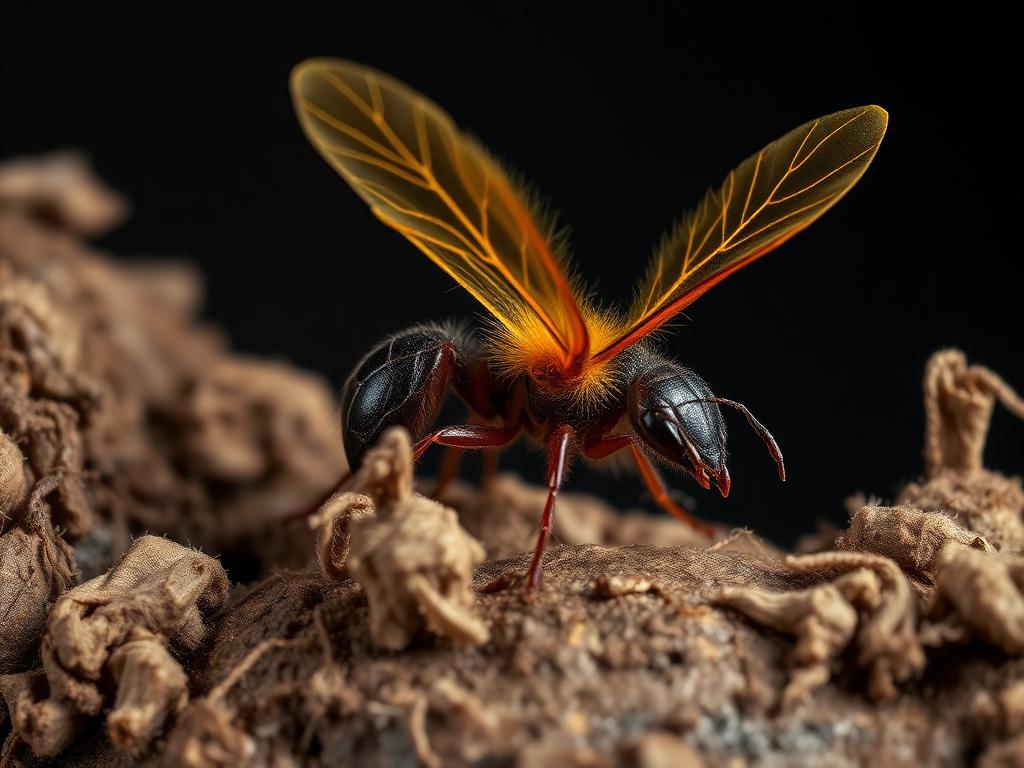
Formosan Subterranean Termite
Larger, faster colonies — confirmed in Norfolk and a genuine regional concern.
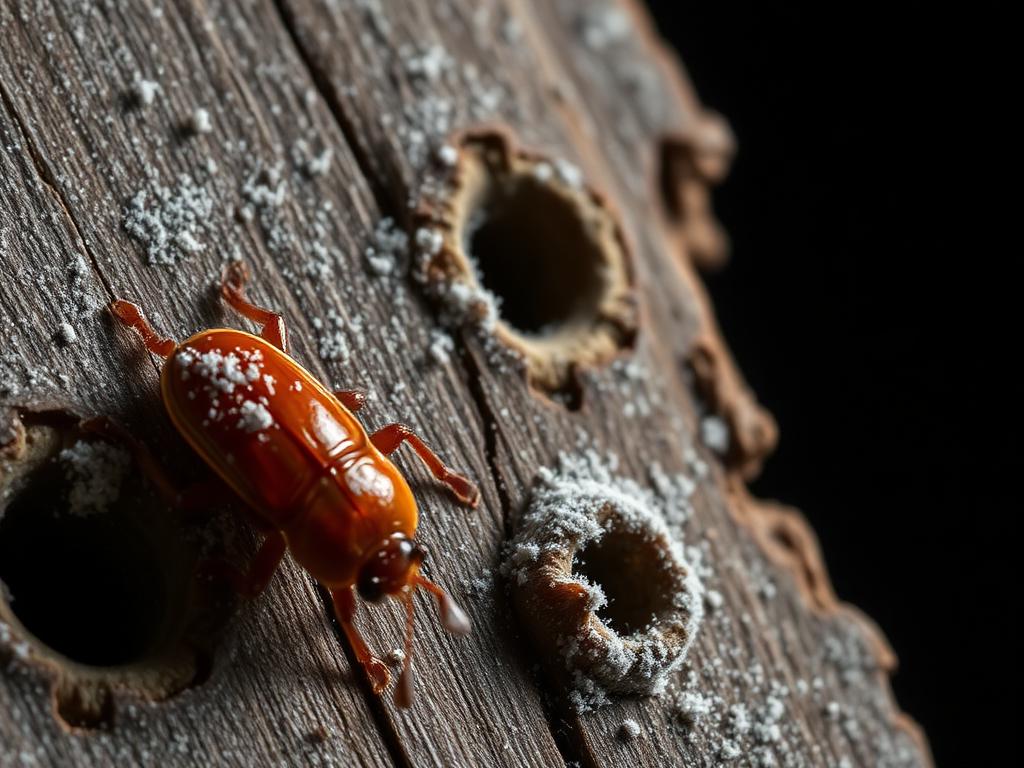
Powderpost Beetle
Fine flour-like frass under pinholes in crawl space framing and hardwood.
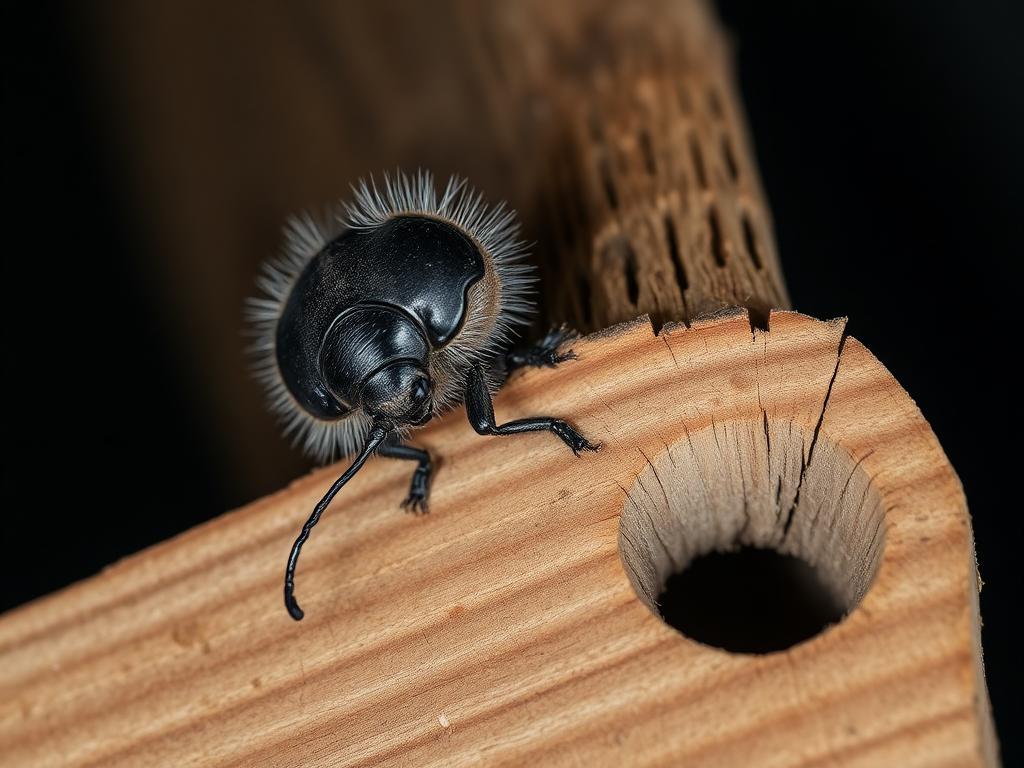
Old House Borer
Audible chewing in softwood framing, with oval exit holes.
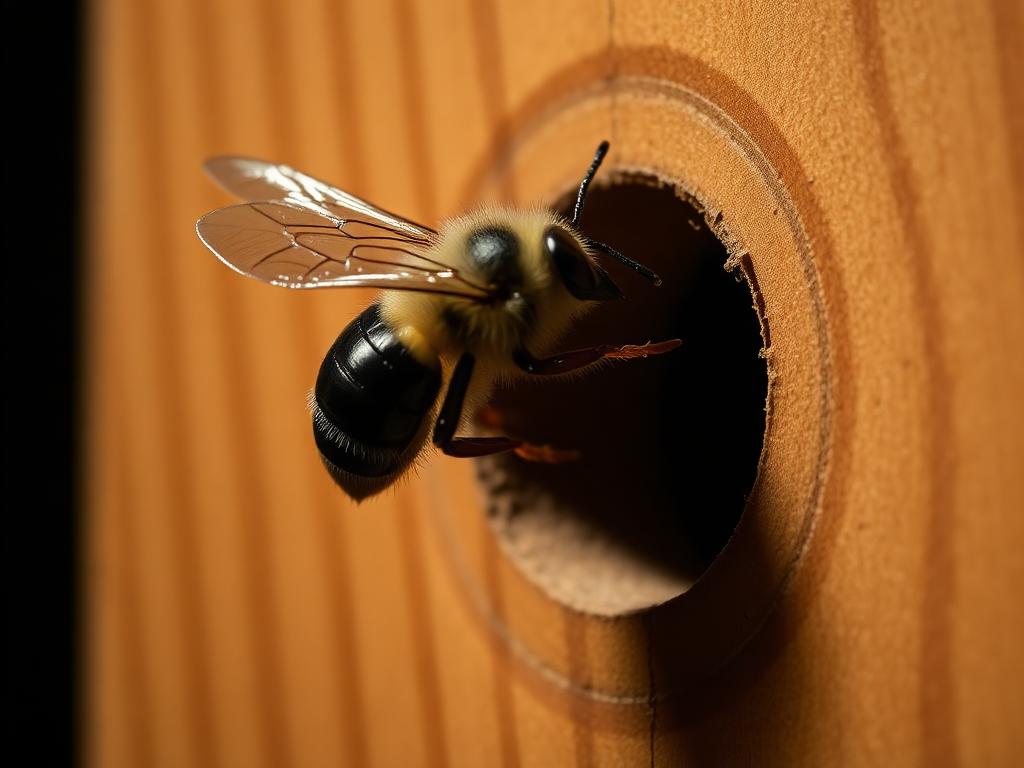
Carpenter Bee
Perfectly round half-inch holes in fascia, decks, and railings.
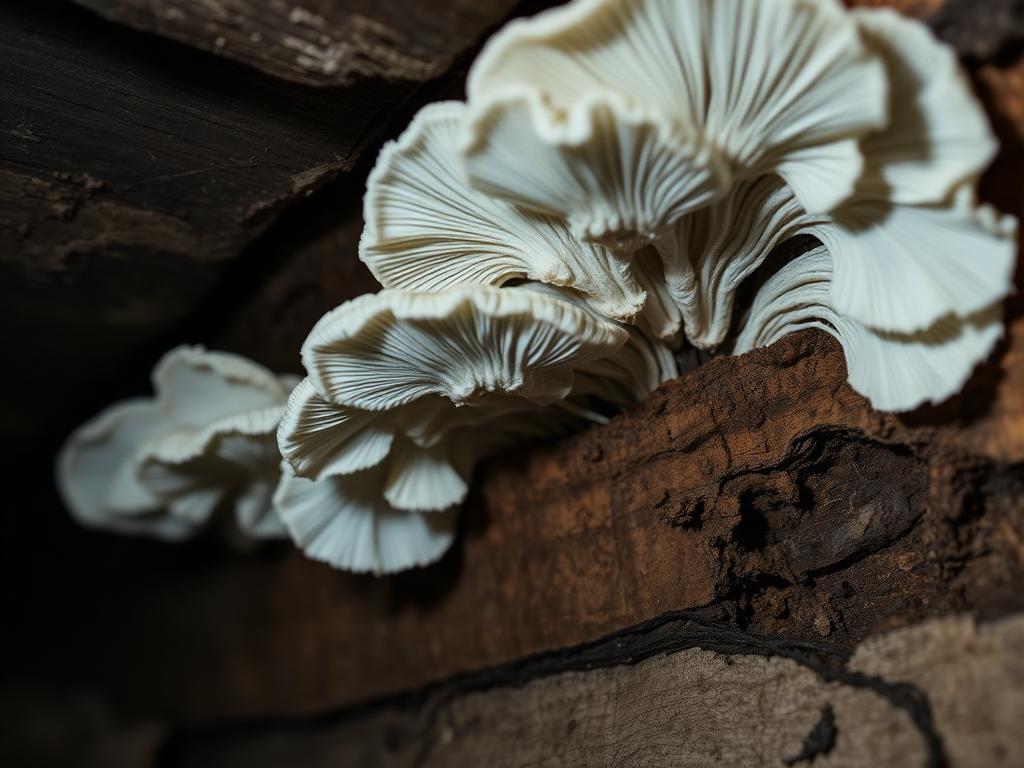
Wood-Decay Fungus
Not an insect, but the single biggest cause of structural loss under coastal houses.
Confirm the ID and get it handled
Send a photo and the location in the structure. A licensed technician will tell you the species and whether it needs a visit.
Request an inspection