
Newport News, VA
Wood-Decay Fungus Control in Newport News
Not an insect, but the single biggest cause of structural loss under coastal houses. Constant WDI report volume from military turnover, subterranean termites in the older stock, crawl space moisture and decay in Hilton Village and the East End, roaches in dense multi-family, and rodent pressure near the shipyard corridor.
- Adult size
- Surface growth, varies
- Color
- White, grey or brown strands
- Group size
- Spreads by mycelium
- Lifespan
- Indefinite while moisture lasts
Identifying it
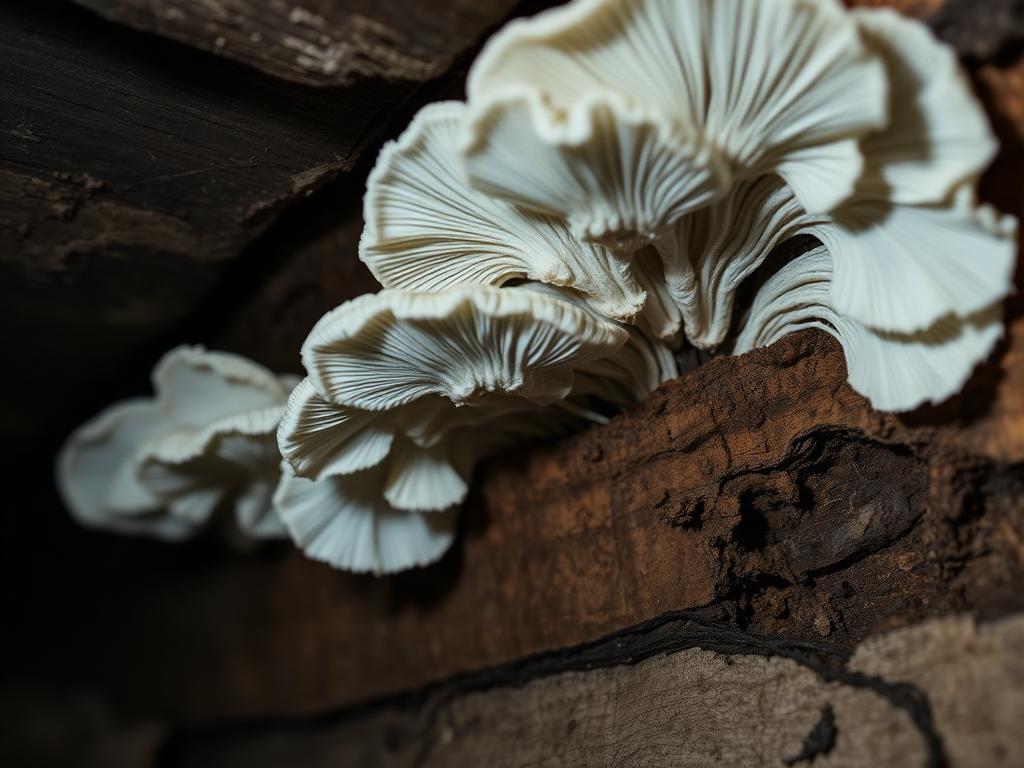
White, brown, or stringy growth on joists and subfloor; wood that darkens, cracks into cubes, or crumbles under a probe. A strong musty odor usually reaches the living space before anything is visible.
Why Newport News sees this
It colonizes when wood moisture content exceeds roughly twenty percent. A vented crawl space in a humid subtropical climate over a high water table crosses that threshold routinely.
Early 20th-century frame housing in Hilton Village and the East End on crawl spaces; mid-century ranches through Denbigh; newer slab construction in Kiln Creek and Port Warwick.
James River frontage, ravine and creek systems cutting through neighborhoods, and a mix of sandy and clay soils with poor drainage in the older sections.
Wood-decay fungus is not an insect, but across the vented crawl spaces of Hampton Roads it causes more structural loss than any single wood-destroying insect on this list. Decay fungi colonize wood once moisture content exceeds roughly twenty percent, a threshold that a humid subtropical climate over a high water table crosses routinely in an unencapsulated crawl space, and once established, fungal decay can progress steadily as long as that moisture persists, regardless of season.
Fungal decay itself doesn't have a true dormant season here since the region's mild winters rarely bring crawl space wood moisture down enough to halt growth completely, but the rate of progression does track the moisture calendar closely. Saturated soil following hurricane season and the region's winter nor'easters keeps crawl space humidity and wood moisture elevated for extended stretches, often accelerating decay progression noticeably in the months after a major rain event. Homeowners in Virginia Beach, Norfolk, and Newport News often first notice the musty odor or visible growth during a spring or fall inspection, though the underlying decay has typically been progressing steadily for months or years before it becomes noticeable from the living space above.
When wood-decay fungus activity peaks
Growth tracks crawl space humidity — worst from June through September.
July — activity index 95 / 100 (annual peak)
Does yours match? Interactive ID checklist
0 of 4 traits matched
Tick everything you can actually see.
Signs of wood-decay fungus activity
- A persistent musty or earthy odor noticeable from the living space, especially near floor vents.
- White, stringy, or spongy fungal growth visible on joists, subfloor, or sill plates in a crawl space.
- Wood that has darkened and cracked into small cube-shaped sections, characteristic of brown rot.
- Wood that feels spongy or crumbles under light pressure from a screwdriver or probe.
- Visible mushroom-like or shelf-like fruiting bodies growing directly from affected framing.
- Sagging or springy flooring above a crawl space area with underlying joist decay.
Wood-Decay Fungus threat profile
Structural risk
85/100
Damage to framing, floors and finishes
Health risk
40/100
Bites, stings, allergens and pathogens
Spread rate
60/100
How fast it multiplies once established
DIY difficulty
90/100
How reliably store products fail on it
Field notes: wood-decay fungus you did not know
- Fact 01
So-called dry rot is not dry at all — the fungus carries its own water through root-like strands.
- Fact 02
Wood only needs to sit above about 20% moisture content for decay fungi to take hold.
- Fact 03
It weakens joists long before anything looks wrong from above the subfloor.
How we remove it
Antimicrobial and borate treatment, replacement of structurally compromised members, and mandatory moisture correction — encapsulation, drainage, and dehumidification.
Routing City of Newport News daily, including Hilton Village, Denbigh, Kiln Creek, Port Warwick, City Center, Riverside.
The Guardex wood-decay fungus treatment plan
01 · Moisture and decay assessment
A technician inspects the full accessible crawl space, taking moisture readings across multiple framing members and identifying the extent and type of decay present. This assessment determines whether the issue is isolated or reflects a broader chronic moisture condition.
02 · Antimicrobial and borate treatment
Affected wood that retains sufficient structural integrity is treated with an antimicrobial and borate solution to halt active fungal growth and protect the wood from reinfestation. This step addresses the current colonization directly.
03 · Replacement of structurally compromised members
Joists, sill plates, or subfloor sections that have lost significant structural integrity to decay are replaced rather than treated, since fungal treatment cannot restore lost wood strength. New lumber is installed with appropriate treatment to resist future decay.
04 · Moisture correction through encapsulation and drainage
Because decay cannot progress without sustained elevated wood moisture, correcting the crawl space environment through encapsulation, improved drainage, and dehumidification is treated as mandatory rather than optional. This is the step that actually prevents recurrence rather than just treating the current damage.
Why store-bought products usually fail
Retail mold and mildew cleaning products are formulated for surface mold on visible materials and have no meaningful effect on decay fungi that have already colonized the interior structure of a joist or sill plate, since the damage is happening within the wood fiber itself, not just on its surface. Homeowners who scrub or bleach visible fungal growth without addressing crawl space moisture will typically see the growth return within a short period, since the spores are already present throughout the space and simply need renewed moisture to recolonize. Assessing how much structural strength a section of decayed wood has actually lost, and therefore whether it can be treated versus needs replacement, requires probing experience most homeowners lack, and correcting the underlying moisture problem through proper drainage, ventilation, or encapsulation is a project well beyond a retail product's scope.
Prevention checklist
- Encapsulate or install a proper vapor barrier in vented crawl spaces to keep wood moisture below the threshold decay needs.
- Correct exterior grading and downspout discharge so water drains away from the foundation rather than into the crawl space.
- Run a dehumidifier in an encapsulated crawl space to maintain humidity in an acceptable range year-round.
- Repair plumbing leaks under the house promptly, since even small leaks sustain localized decay over time.
- Ensure crawl space vents and any mechanical ventilation are functioning correctly in an unencapsulated space.
- Have crawl space framing inspected annually, particularly following hurricane season or a significant nor'easter.
Wood-Decay Fungus questions we get asked
- How much does it cost to fix wood-decay fungus damage under a house?
- Cost depends heavily on how much framing needs replacement versus treatment, and whether crawl space encapsulation is included to prevent recurrence. A minor, early-stage case treated promptly costs far less than one discovered only after significant structural loss.
- Is this actually a common problem in my area, or is my house unusual?
- It is extremely common across Norfolk, Virginia Beach, Chesapeake, and Newport News specifically because of vented crawl space construction over a high water table and sandy coastal plain soils. It's one of the most frequent findings during crawl space inspections regionwide.
- How long does it take to actually stop the fungus once treatment starts?
- Antimicrobial and borate treatment halts active growth on treated wood fairly quickly, but the real timeline depends on how fast the moisture correction, encapsulation, drainage, or dehumidification, brings the space into an acceptable range. Skipping that step means the fungus can simply return.
- Will this show up on a home inspection if I try to sell my house?
- Yes, wood-decay fungus is a standard finding on wood-destroying organism inspections required at most regional closings, and lenders often require repair or a documented correction plan before the sale can proceed. Addressing it before listing avoids a closing-stage delay.
- Can I just replace the damaged wood without fixing the moisture issue?
- You can, but new wood installed into the same chronically wet crawl space will eventually decay again under the same conditions that caused the original damage. Moisture correction is what actually prevents the problem from recurring, not just the wood replacement.
Other pests in Newport News
- Eastern Subterranean Termite control in Newport News
- Formosan Subterranean Termite control in Newport News
- Powderpost Beetle control in Newport News
- Carpenter Ant control in Newport News
- Carpenter Bee control in Newport News
- German Cockroach control in Newport News
- American Cockroach control in Newport News
- Oriental Cockroach control in Newport News
- Odorous House Ant control in Newport News
- Red Imported Fire Ant control in Newport News
- Norway Rat control in Newport News
- House Mouse control in Newport News
- Squirrel control in Newport News
- Camel Cricket control in Newport News
- Springtail control in Newport News
- Asian Tiger Mosquito control in Newport News
- Salt Marsh Mosquito control in Newport News
- Blacklegged (Deer) Tick control in Newport News
- Yellowjacket control in Newport News
- Bed Bug control in Newport News
- Brown Marmorated Stink Bug control in Newport News
Wood-Decay Fungus nearby in Virginia Peninsula
Wood-Decay Fungus problem in Newport News?
Tell us where you are finding them and how often. We will confirm the species and put a plan on the calendar.
Request an inspection