
Rodents & wildlife
Bat Control in Hampton Roads
Protected species — exclusion is timing-sensitive and must be done correctly.
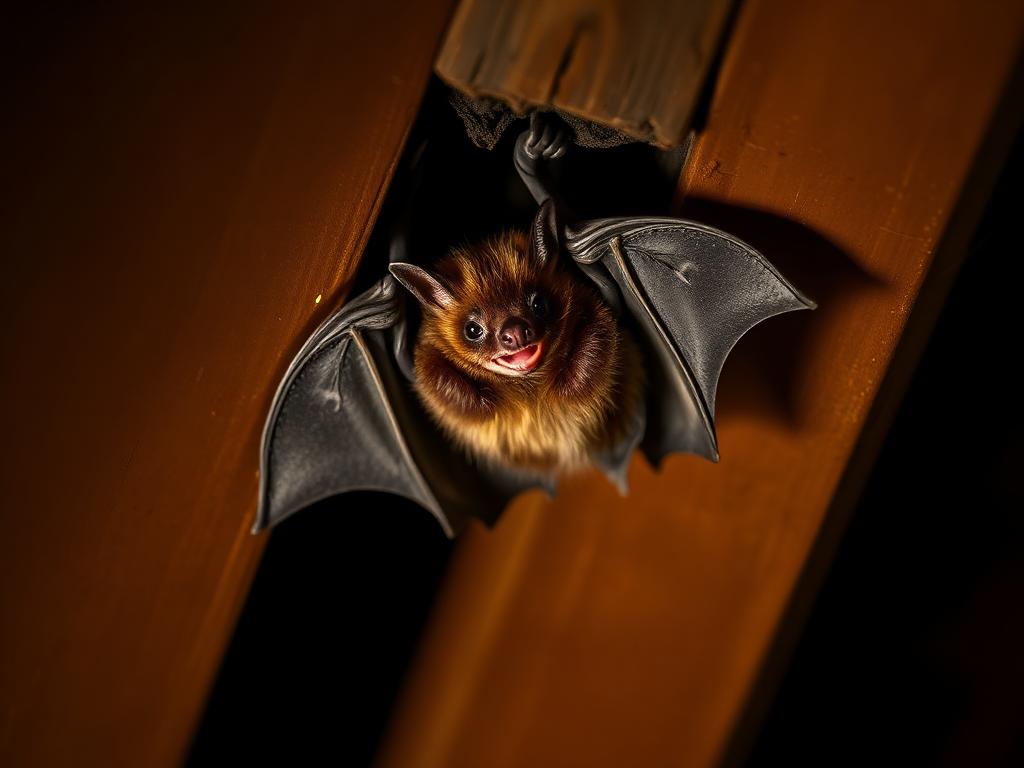
- Adult size
- 3" – 5", 8"+ wingspan
- Color
- Brown to dark brown
- Group size
- Maternity colonies of 20 – 300
- Lifespan
- Up to 20 years
Bats are a protected species in Virginia, and that single fact shapes every part of how removal has to work in Hampton Roads. This isn't a pest that can simply be sealed out on whatever day a homeowner calls; the timing, the method, and the sequence all matter, and getting it wrong either violates wildlife protections or leaves animals trapped and dying inside a wall or attic void.
Older housing stock across Norfolk, Portsmouth, Hampton, and Newport News, with original gable vents, ridge caps, and soffit trim that have shifted slightly over decades, provides exactly the narrow gaps bats prefer — often less than half an inch wide. A colony can occupy a gable end or ridge gap for years without being noticed, since bats are quiet and nocturnal, until dark staining accumulates around the entry point or guano odor becomes noticeable in the attic below.
The maternity season is the critical constraint. Female bats roost together to raise flightless pups over a period of several weeks in late spring and summer, and excluding adults during this window traps and kills the pups inside the structure — which is both illegal and creates a severe secondary decomposition and odor problem. Any legitimate bat exclusion plan in this region is built around working outside that window, or waiting until it closes.
How to identify bat
Evening emergence from a gable, ridge, or soffit gap; dark staining at the entry point; small dark droppings that crumble into shiny fragments.
When bat activity peaks
Maternity season runs mid-May to August — legally protected exclusion window.
June — activity index 95 / 100 (annual peak)
Bat biology and life cycle
Most bat species found in Hampton Roads structures form maternity colonies in late spring, typically May through June, where females roost together and each gives birth to a single pup. Pups are flightless and dependent on the roost for approximately four to six weeks before they're capable of flying and foraging independently, which means the maternity season generally extends into July or early August depending on the year and species. Outside this window, bats roost in smaller numbers or singly, often in the same gable or ridge gap used seasonally over multiple years. Bats emerge at dusk to forage on flying insects and return before dawn, which is why an evening emergence count at the entry point is one of the most reliable ways to confirm colony presence and estimate its size before any exclusion work begins.
When bat pressure peaks in Hampton Roads
Exclusion work is generally performed outside the maternity season — before pups are born in spring or after they're flying independently in late summer through fall — which in this region typically means a safe working window from roughly September through April, plus a narrow gap in early spring before maternity roosting begins. Attempting exclusion during the maternity window is both a legal and welfare problem. Fall through winter is also when guano remediation and permanent sealing work is most practical, since the colony has either dispersed for the season or moved to a different roost.
Bat threat profile
Structural risk
40/100
Damage to framing, floors and finishes
Health risk
85/100
Bites, stings, allergens and pathogens
Spread rate
30/100
How fast it multiplies once established
DIY difficulty
100/100
How reliably store products fail on it
Does yours match? Interactive ID checklist
0 of 4 traits matched
Tick everything you can actually see.
Why it is in your house
Older structures with unsealed gable ends, ridge gaps, and attic vents provide ideal roosting.
Field notes: bat you did not know
- Fact 01
One bat eats thousands of mosquitoes a night — they are worth keeping, just not indoors.
- Fact 02
Virginia law forbids exclusion during maternity season while pups cannot fly.
- Fact 03
Accumulated guano supports Histoplasma, a respiratory pathogen.
Signs of bat activity
- A concentrated dark staining or greasy smudge around a small gap at a gable end, ridge cap, or soffit.
- Small, dark droppings that crumble into shiny, granular fragments when touched, unlike rodent droppings which stay intact.
- A faint, musty ammonia-like odor noticeable in an attic space, stronger near the roost site.
- Evening emergence of small flying shapes from a single point on the roofline shortly after dusk.
- Squeaking or scratching sounds from within a wall or attic void, typically most active around dawn and dusk.
- Accumulated guano piles beneath a roost location, visible in the attic or occasionally on an exterior surface below the entry point.
What bat activity costs you
Bats can carry rabies, and while transmission risk from a colony roosting quietly in an attic is low absent direct contact, any bat found grounded, active during the day, or handled directly should be treated with caution and reported rather than handled personally. The larger practical health concern is guano accumulation, which can support fungal growth and creates a respiratory exposure risk during cleanup if it isn't handled with appropriate protective measures. Guano buildup over an extended roosting period also causes real property damage — staining, odor absorption into insulation and drywall, and in severe cases ceiling damage from moisture and weight. Because bats often reuse a roost site across seasons, an unaddressed entry point tends to result in recurring, worsening guano accumulation year over year.
What actually removes it
One-way exclusion devices outside the maternity season, permanent sealing of every gap, and guano remediation. Removal timing is regulated.
Wildlife ExclusionThe Guardex bat treatment plan
01 · Roost inspection and species assessment
We inspect the attic and exterior roofline for guano, staining, and emergence points, and assess timing relative to the maternity season before recommending an exclusion date.
02 · Timed one-way exclusion
Outside the maternity window, one-way exclusion devices are installed at every confirmed entry point, allowing bats to leave to forage but not return. This typically runs seven to ten days to ensure the roost is fully vacated.
03 · Permanent sealing
Once the roost is confirmed empty, every gap — including nearby gaps bats could use as an alternate entry — is permanently sealed with appropriate materials, since bats will readily relocate to an unsealed gap a few feet away.
04 · Guano remediation
Accumulated guano is removed and the affected area is treated appropriately given the respiratory exposure risk, and insulation that's absorbed odor or moisture is flagged for possible replacement.
Why store-bought products usually fail
Bat exclusion timed incorrectly relative to the maternity season isn't just ineffective, it's a legal and welfare problem, since it can trap flightless pups inside the structure. Identifying every viable entry gap on a roofline requires a trained eye, since bats use openings smaller than most homeowners would think to check, and missing even one means the colony simply re-enters through it. Guano cleanup without respiratory protection carries a real health exposure risk that most homeowners aren't equipped to manage safely, and disturbing a roost outside of a proper exclusion device can result in bats scattering into living space rather than leaving the structure entirely.
Prevention checklist
- Seal gable end, ridge cap, and soffit gaps as part of routine roof maintenance, ideally before any roosting is established.
- Install and maintain fine mesh screening on attic and gable vents.
- Repair fascia and soffit trim promptly once it begins to separate or warp.
- Keep exterior lighting away from known or suspected roost points, since bright light can influence roosting behavior at an entry gap.
- Have older homes inspected periodically for small gaps that develop as trim and flashing age.
- Address any confirmed roost only outside the maternity season with a proper exclusion device.
Where bat pressure runs highest
Commonly mistaken for bat
Bat questions we get asked
- Can I just seal up the hole I found bats using?
- Not if it's during maternity season, roughly May through early August in this region — sealing during that window can trap flightless pups inside. Outside that window, sealing is appropriate once the roost is confirmed empty.
- Is it legal to remove bats in Virginia?
- Bats are protected, and removal has to follow humane, timing-sensitive exclusion methods rather than trapping or killing. We handle the timing and method to stay within those requirements.
- How common are bat roosts in older Hampton Roads homes?
- Fairly common, particularly in homes with original gable vents, ridge caps, or soffit trim that has shifted slightly with age, which is typical of older housing stock in Norfolk, Portsmouth, and Hampton.
- How long does exclusion and cleanup take?
- The exclusion device typically runs seven to ten days to confirm the roost is empty, followed by sealing and guano remediation, which can take anywhere from a day to several depending on accumulation.
- What does bat exclusion cost?
- Cost depends on colony size, the number of entry points, and the extent of guano remediation needed. We provide a specific quote after inspecting the roost and roofline.
Services that handle bat problems
- Quarterly Pest ControlRecurring exterior-focused program covering the region's standard pest set.
- Cockroach ControlGerman roach elimination indoors, American and oriental roach control at the source.
- Ant ControlSpecies-specific baiting for odorous house, Argentine, pavement, and fire ants.
- Rodent Control & ExclusionTrapping paired with physical exclusion so they cannot come back.
- Mosquito & Tick ControlYard programs targeting harborage and standing-water breeding sites.
- Bed Bug TreatmentInspection-driven treatment programs with confirmation follow-ups.
Others in this category
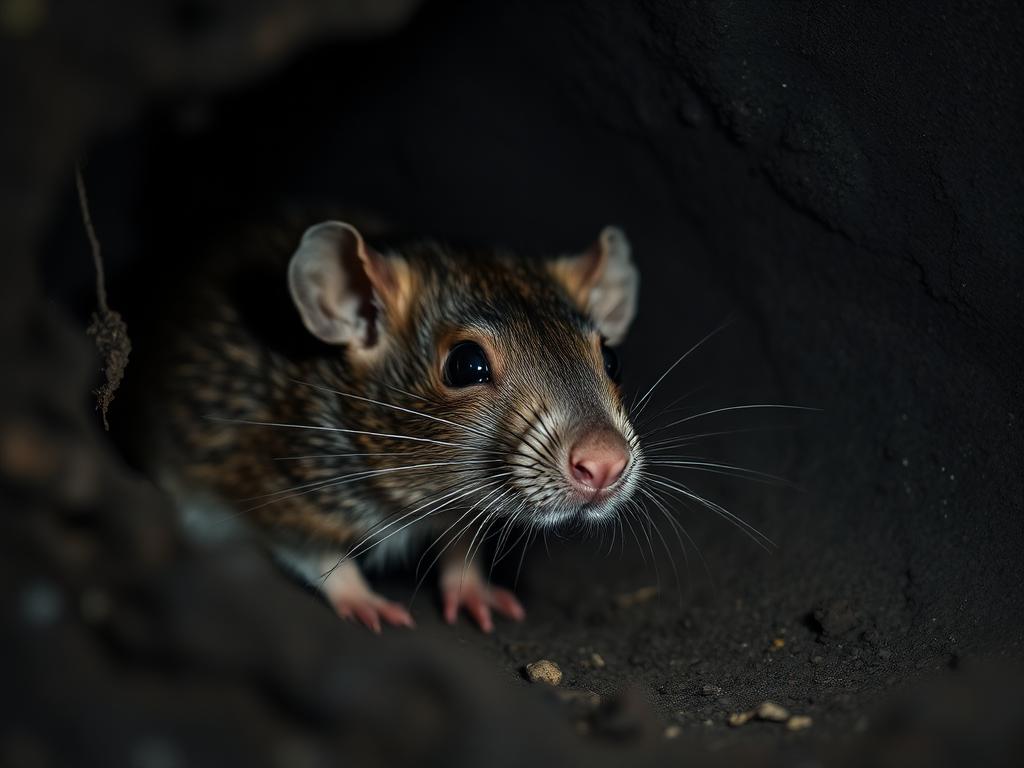
Norway Rat
Burrowing rat of dense older neighborhoods, alleys, and waterfronts.

Roof Rat
Climbing rat that nests in attics and travels overhead lines and limbs.
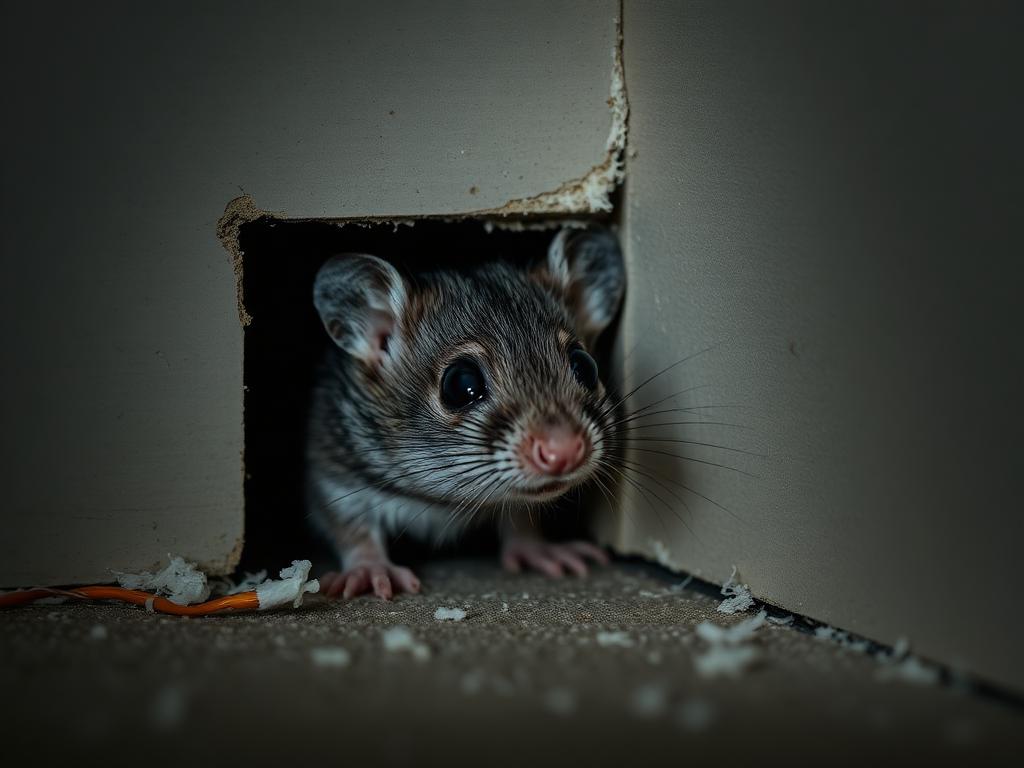
House Mouse
Fits through a gap the width of a pencil, breeds year-round indoors.
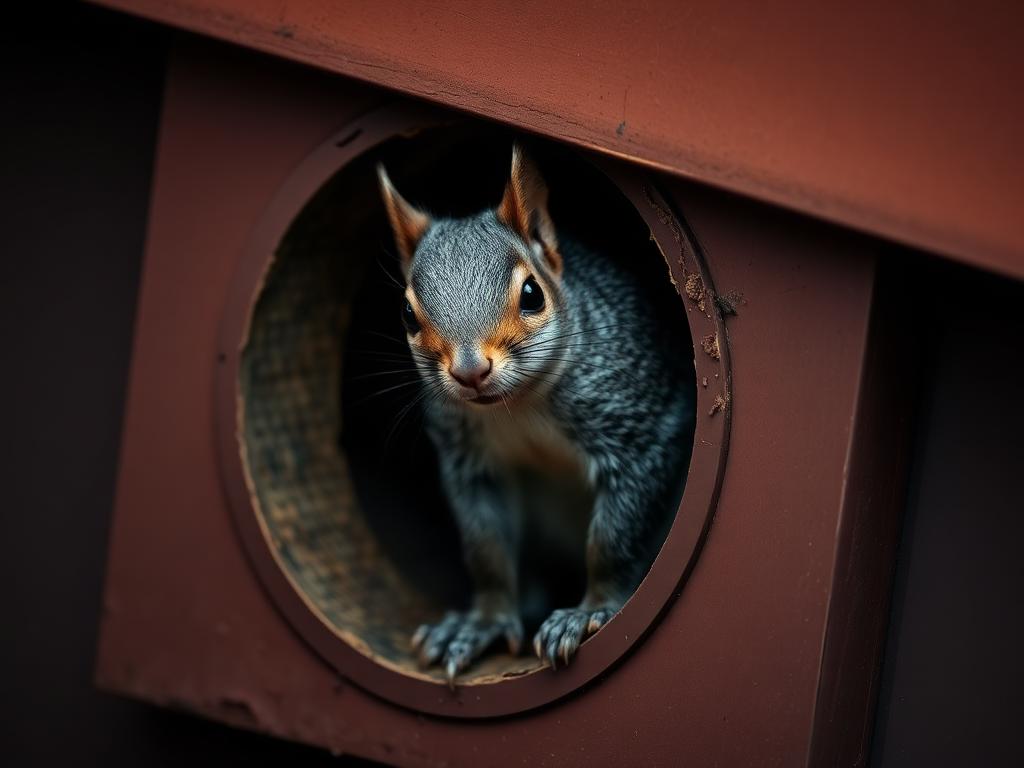
Squirrel
Daytime attic noise, chewed soffit, and gnawed wiring.

Raccoon
Heavy nighttime attic activity and torn roofline material.
Confirm the ID and get it handled
Send a photo and the location in the structure. A licensed technician will tell you the species and whether it needs a visit.
Request an inspection