
Rodents & wildlife
Roof Rat Control in Hampton Roads
Climbing rat that nests in attics and travels overhead lines and limbs.
Rattus rattus

- Adult size
- 6" – 8" body, longer tail
- Color
- Slender, dark grey to black
- Group size
- Colonies of 5 – 20
- Lifespan
- About 1 year
The roof rat earns its name honestly in Hampton Roads: it is the rat found in attics, soffits, and the upper structure of a house rather than burrowed at the foundation. Mature tree canopy across older neighborhoods in Norfolk, Portsmouth, Hampton, and Newport News gives this species elevated highways directly into rooflines, and a limb overhanging a roof edge is often the entire entry strategy. Once inside an attic, a roof rat nests in insulation, travels the same joist paths night after night, and rarely comes down to ground level, which is why homeowners often hear activity overhead for weeks before finding any sign at grade.
This is a climbing, agile rodent, and it exploits gaps that a Norway rat would never reach: gable vents without screening, a lifted ridge cap, a soffit corner softened by moisture, or a chimney chase with a missing cap. Coastal humidity accelerates the rot that creates these openings, which is part of why roof rat pressure in this region tracks closely with tree cover and older wood trim rather than with proximity to water directly.
Because the nesting site is almost always well above the living space, roof rat infestations are frequently misdiagnosed as squirrel activity until droppings or gnaw marks are found during an attic inspection. Distinguishing the two matters for treatment, since roof rats travel further along utility lines and tree limbs and require a wider perimeter check than a typical squirrel exclusion job.
How to identify roof rat
Slender dark rat with large ears, pointed nose, and a tail longer than its body. Activity concentrates in attics, soffits, and overhanging limbs rather than at ground level.
When roof rat activity peaks
Attic entries climb through the fall as fruit and cover disappear.
November — activity index 95 / 100 (annual peak)
Roof Rat biology and life cycle
Roof rats mature around three months of age and, like Norway rats, breed continuously through mild winters, producing multiple litters of six to eight pups a year. Nests are built from shredded insulation, leaves, and paper products in attic corners, soffit voids, and dense tree cover directly adjacent to the roofline. A single attic can support an extended family group that shares nesting material and travel routes, and because the species prefers elevated harborage, an infestation can be well established before any ground-level sign appears. Roof rats are excellent climbers and will travel utility lines, fence tops, and overhanging limbs as primary routes, rarely crossing open ground unless food access requires it, which is a key difference from the burrowing habits of the Norway rat.
When roof rat pressure peaks in Hampton Roads
Activity is highest in fall as outdoor food sources thin and attics offer stable warmth, with a secondary rise in late spring when new litters begin foraging independently and expand the travel network. Mature oak and pine canopy across Norfolk, Portsmouth, and the older sections of Newport News and Hampton keeps limbs in year-round contact with rooflines, so the opportunity for entry doesn't disappear in any season the way it might in a region with less tree cover. Storm season adds a secondary pressure point: downed or cracked limbs from tropical weather frequently open new access points onto a roof that weren't there the week before.
Roof Rat threat profile
Structural risk
70/100
Damage to framing, floors and finishes
Health risk
80/100
Bites, stings, allergens and pathogens
Spread rate
55/100
How fast it multiplies once established
DIY difficulty
85/100
How reliably store products fail on it
Does yours match? Interactive ID checklist
0 of 4 traits matched
Tick everything you can actually see.
Why it is in your house
Coastal and port cities with mature tree canopy give them elevated travel routes into rooflines.
Field notes: roof rat you did not know
- Fact 01
Excellent climbers — they walk utility lines like a tightrope to reach a roofline.
- Fact 02
The tail is longer than the head and body combined; a Norway rat's is shorter.
- Fact 03
They prefer the top of the structure, so the noise comes from above the ceiling.
Signs of roof rat activity
- Scratching, running, or scurrying sounds from the attic or ceiling void, typically most active after dark.
- Gnaw marks or a chewed hole at a soffit corner, gable vent, or fascia board.
- Droppings concentrated in one area of the attic near an entry point rather than scattered evenly.
- A visible, worn travel path along a tree limb, fence top, or utility line leading directly to the roofline.
- Grease staining around a small gap at the roofline where fur repeatedly contacts the edges.
- Insulation that appears flattened, tunneled, or pulled into a mounded nest shape in one section of the attic.
What roof rat activity costs you
A roof rat nest in an attic means constant gnawing pressure on wiring, HVAC ductwork, and roof decking directly above living space, and electrical gnaw damage in an attic is one of the more serious fire-risk issues we see in older homes. Urine and droppings accumulating in insulation degrade its effectiveness and create a contamination issue that often requires insulation replacement, not just removal of the rats. Because access is usually through a compromised soffit, fascia, or vent, the same opening that let the rats in is also letting in moisture, which compounds wood rot at the roofline over time and can extend the repair scope well beyond pest control.
What actually removes it
Attic and roofline trapping, trimming limbs back from the structure, and sealing roof, soffit, and gable entry points.
Rodent Control & ExclusionThe Guardex roof rat treatment plan
01 · Attic and roofline inspection
We inspect the attic interior along with the full roofline, soffits, gable ends, and adjacent tree canopy to identify every active entry point and gauge how far the nest has spread through the insulation.
02 · Trapping in the attic
Traps are placed directly on confirmed travel paths inside the attic rather than at ground level, since roof rats rarely descend to the yard. This step continues until activity stops on repeated checks.
03 · Exclusion and limb clearance
Every roofline entry point is sealed with appropriate gauge material, and limbs providing direct roof access are flagged for trimming. Skipping the trimming step routinely results in re-entry within weeks.
04 · Insulation and damage assessment
Contaminated or tunneled insulation is identified and, where needed, referred for replacement, and any gnaw damage to wiring or ductwork is documented so it can be addressed before it becomes a larger repair.
Why store-bought products usually fail
Attic access alone deters most homeowners from doing meaningful trapping work, and roof rat traps placed at ground level accomplish almost nothing since the species rarely comes down. Sealing roofline gaps safely requires working at height on soffits, fascia, and gable ends, which is not a reasonable weekend project for most people, and a poorly sealed gap is often re-opened by gnawing within days. Retail rodenticides placed in an attic without a clear understanding of travel patterns frequently result in a rat dying inside a wall cavity, creating an odor and secondary insect problem that outlasts the original infestation.
Prevention checklist
- Trim tree limbs back at least six to eight feet from the roofline where practical.
- Screen all gable, ridge, and soffit vents with rodent-grade hardware cloth.
- Install and maintain a proper chimney cap to block that entry route.
- Repair soft or rotted fascia and soffit boards promptly, since moisture damage is usually the entry point.
- Keep fence lines and utility lines from providing an unbroken path from ground to roof.
- Have the attic inspected periodically in older homes where past entry points may have been only partially repaired.
Where roof rat pressure runs highest
Commonly mistaken for roof rat
Roof Rat questions we get asked
- How do I know if it's roof rats and not squirrels in my attic?
- Roof rats are typically most active at night, while squirrels are almost exclusively daytime. Droppings also differ — rat droppings are smaller and pointed, squirrel droppings larger and more rounded. An inspection confirms it definitively.
- Is roof rat activity common in older Norfolk and Portsmouth homes?
- Yes, mature tree canopy over older rooflines in these areas makes roof rats one of the more frequent attic calls we get, especially in neighborhoods with large oaks close to the house.
- Can roof rats get into a newer home in Suffolk or Chesapeake?
- Yes, if there's mature tree cover near the roof and any gap at a vent, soffit, or fascia board. Newer construction reduces but doesn't eliminate the risk, particularly where landscaping has matured.
- How long before the attic is fully clear?
- Most attic infestations clear within two to three weeks of consistent trapping once entry points are sealed. Larger nests spread through more of the attic can take a bit longer to fully resolve.
- Will you repair the soffit or fascia damage?
- We handle the pest exclusion and sealing directly related to entry points; larger structural or cosmetic repairs to fascia and soffit are typically referred to a contractor, and we'll document the damage to make that handoff easy.
Services that handle roof rat problems
- Quarterly Pest ControlRecurring exterior-focused program covering the region's standard pest set.
- Cockroach ControlGerman roach elimination indoors, American and oriental roach control at the source.
- Ant ControlSpecies-specific baiting for odorous house, Argentine, pavement, and fire ants.
- Mosquito & Tick ControlYard programs targeting harborage and standing-water breeding sites.
- Bed Bug TreatmentInspection-driven treatment programs with confirmation follow-ups.
- Wildlife ExclusionSquirrel, raccoon, opossum, and bat removal with permanent structural sealing.
Others in this category
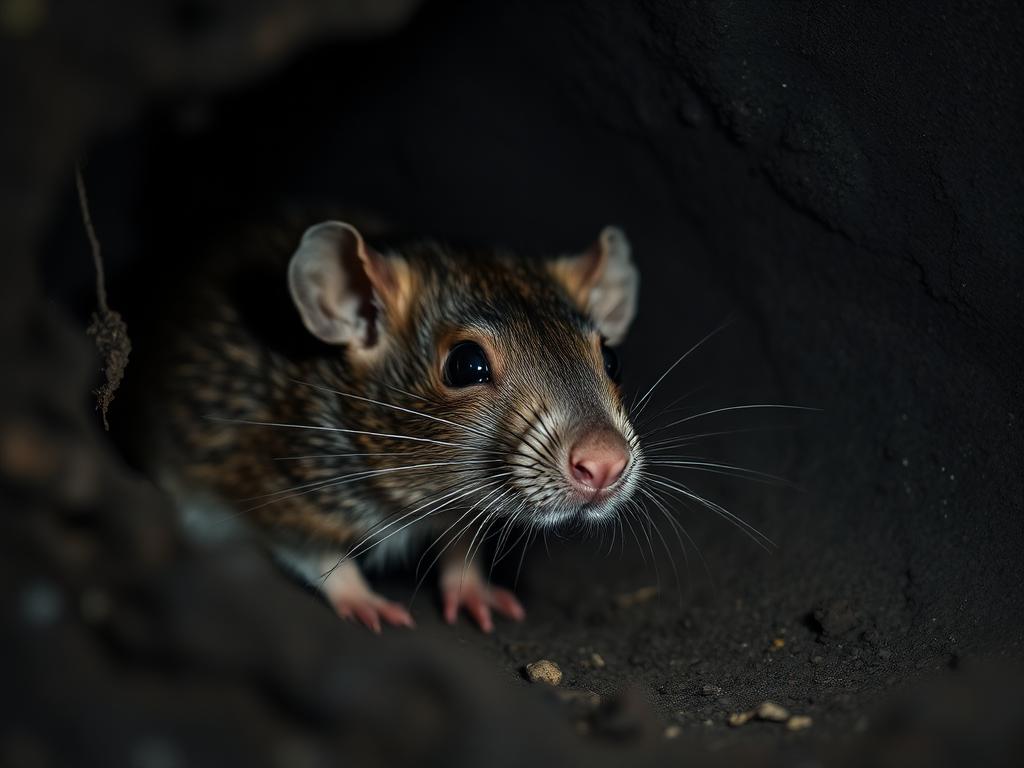
Norway Rat
Burrowing rat of dense older neighborhoods, alleys, and waterfronts.
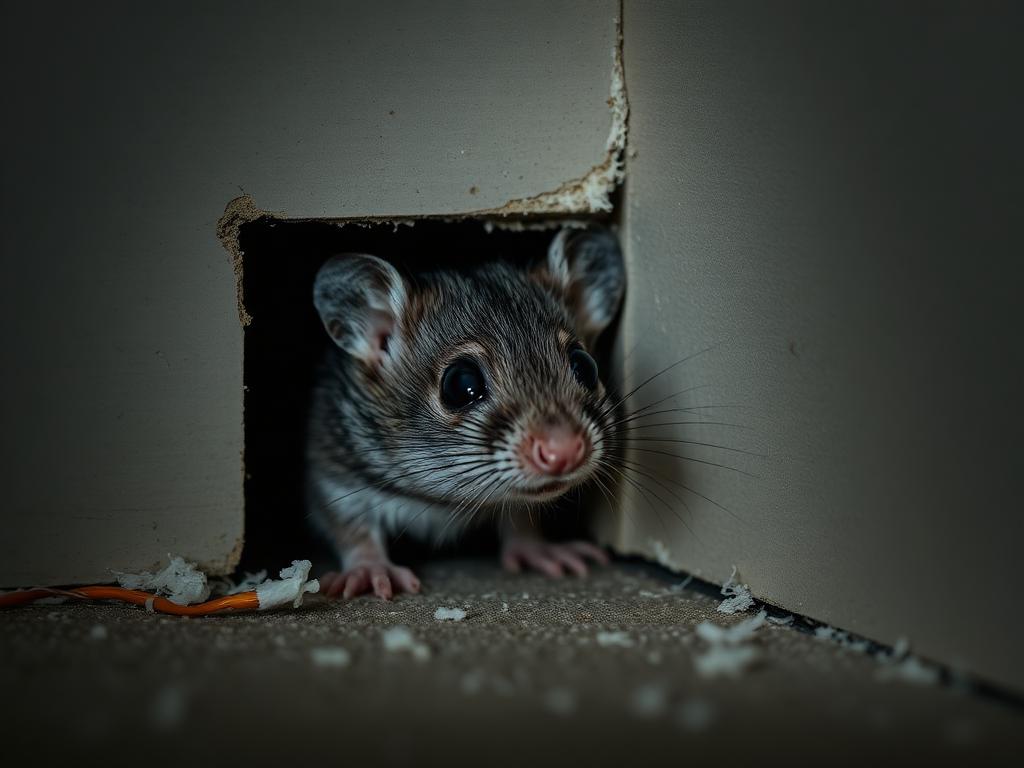
House Mouse
Fits through a gap the width of a pencil, breeds year-round indoors.
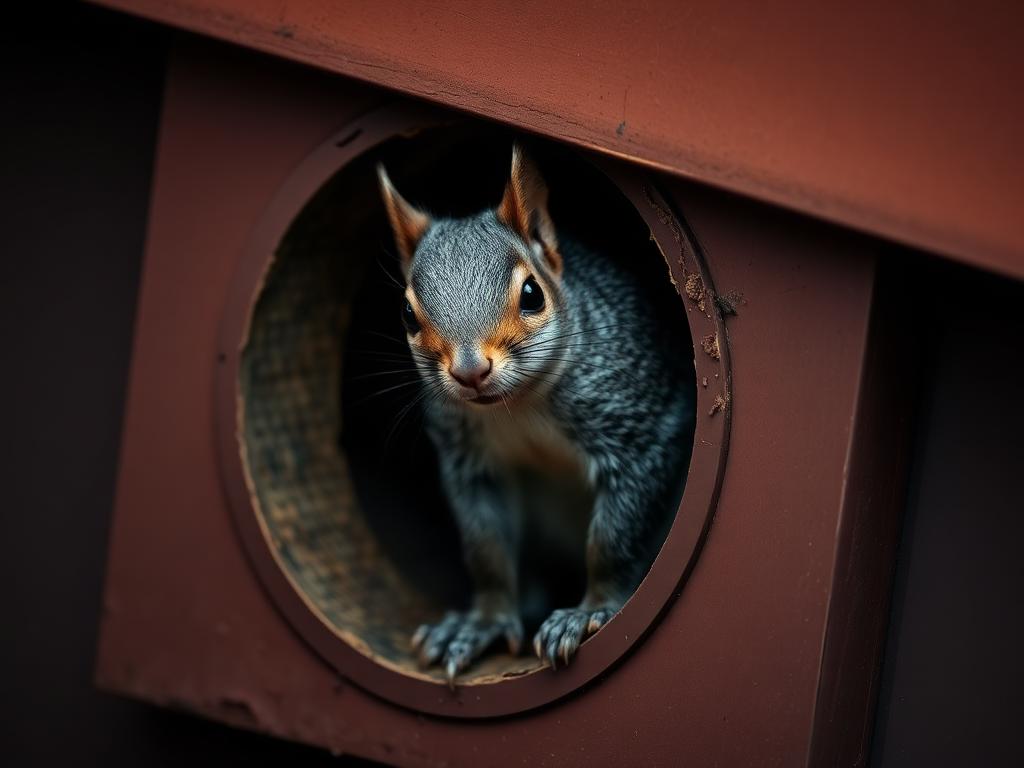
Squirrel
Daytime attic noise, chewed soffit, and gnawed wiring.

Raccoon
Heavy nighttime attic activity and torn roofline material.
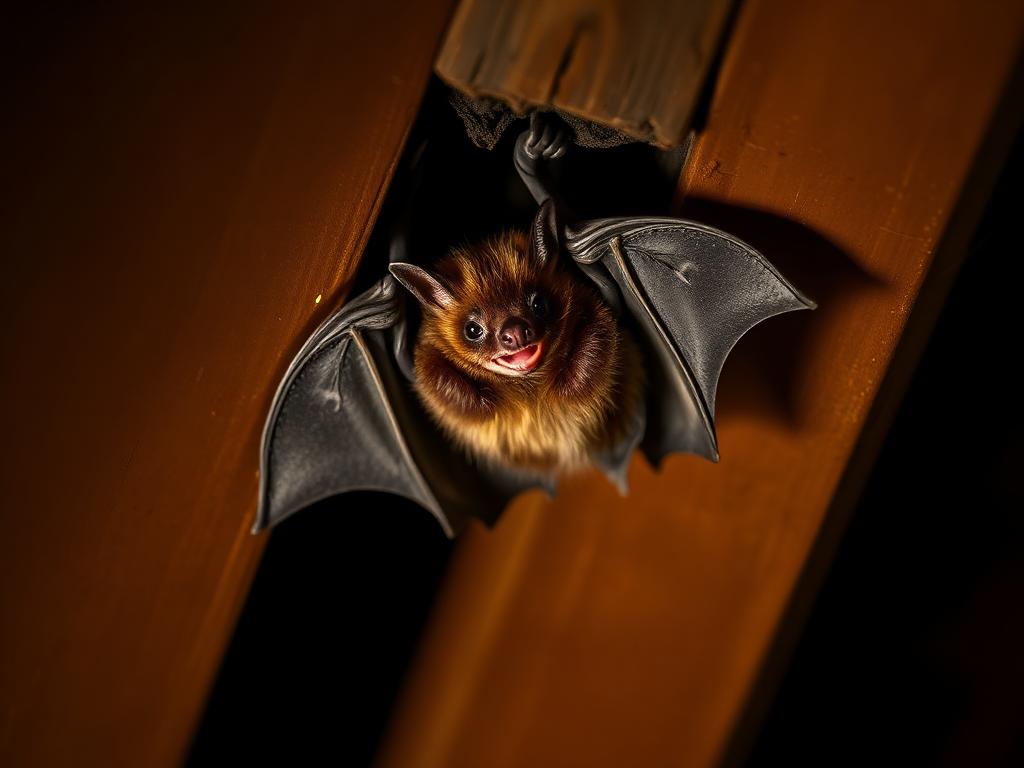
Bat
Protected species — exclusion is timing-sensitive and must be done correctly.
Confirm the ID and get it handled
Send a photo and the location in the structure. A licensed technician will tell you the species and whether it needs a visit.
Request an inspection