
Rodents & wildlife
Squirrel Control in Hampton Roads
Daytime attic noise, chewed soffit, and gnawed wiring.
Sciurus carolinensis
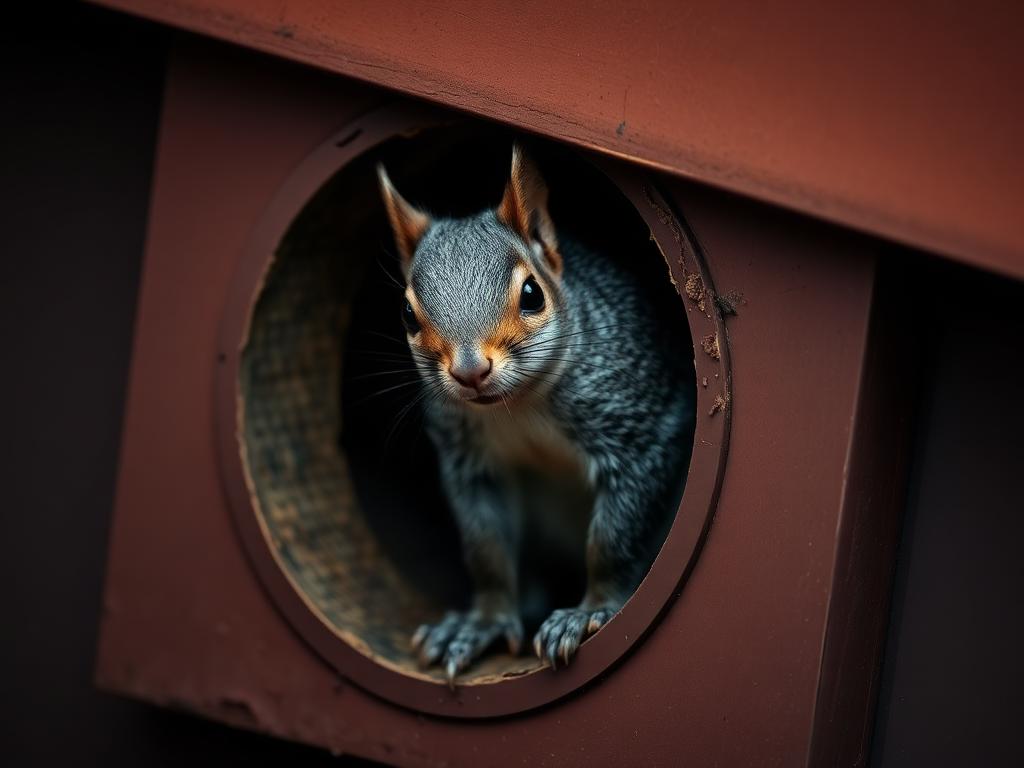
- Adult size
- 9" – 12" body
- Color
- Grey with white belly
- Group size
- Family groups
- Lifespan
- 6 years in the wild
Squirrel activity in a Hampton Roads attic has a distinct signature: it happens during the day, usually early morning and late afternoon, and it sounds like something noticeably larger than a mouse or rat moving overhead. The entry point is almost always damage-based rather than a pre-existing gap — a chewed soffit corner, a pulled-back piece of fascia, or a gable vent with a bent screen — because squirrels gnaw their way in rather than searching out an already-open hole the way a rat might.
Mature hardwood canopy across older neighborhoods in Norfolk, Portsmouth, Hampton, and parts of Newport News puts oak and pine limbs directly over rooflines, giving gray squirrels an easy jump onto the roof edge. Once a squirrel finds and enlarges a weak point, it's a repeatable entry for that individual and often for others in the same territory, which is why a single soffit repair without addressing the surrounding tree cover tends to fail within a season.
Spring is the critical variable in squirrel work in this region. Females den in attics specifically to raise young, and removing or excluding an animal before confirming there are no dependent young in the nest leaves helpless offspring trapped inside a wall or attic void, which is both an ethical problem and a practical one, since the resulting decomposition creates a much worse odor and insect issue than the original squirrel activity.
How to identify squirrel
Gray squirrels active at dawn and during the day. Entry is usually a chewed soffit corner, gable vent, or rotted fascia board.
When squirrel activity peaks
Two nesting pushes: late winter into March, and again in late summer.
March — activity index 90 / 100 (annual peak)
Squirrel biology and life cycle
Gray squirrels have two breeding peaks a year, one in late winter with young born around February through March, and a second in mid-summer with young born around July through August. Attic denning is most common during the late-winter litter, when a female seeks a warm, enclosed space to raise pups for roughly ten to twelve weeks before they're weaned and mobile. During this period the den is used constantly and the sound of activity is heaviest, since the mother is coming and going repeatedly to forage. A single soffit or gable entry point may be used by more than one individual over time even if the original occupant moves on, since the damage remains an easy access route until it's repaired.
When squirrel pressure peaks in Hampton Roads
Attic calls cluster in two windows tied directly to the breeding cycle: February through April, when females seek denning sites for the late-winter litter, and July through September, when the summer litter matures and juveniles disperse and explore new territory, sometimes finding their way into attics for the first time. Activity outside these windows tends to be lower but doesn't disappear entirely, since squirrels use attics for shelter during severe weather and cold snaps regardless of breeding status. Storm season can also drive short-term attic-seeking behavior when nests in trees are damaged by wind.
Squirrel threat profile
Structural risk
65/100
Damage to framing, floors and finishes
Health risk
40/100
Bites, stings, allergens and pathogens
Spread rate
35/100
How fast it multiplies once established
DIY difficulty
80/100
How reliably store products fail on it
Does yours match? Interactive ID checklist
0 of 4 traits matched
Tick everything you can actually see.
Why it is in your house
Mature hardwood canopy across the older Peninsula, Norfolk, and Portsmouth neighborhoods puts limbs directly over rooflines.
Field notes: squirrel you did not know
- Fact 01
Gnawing on wiring in attics is a documented cause of house fires.
- Fact 02
They can jump nine feet horizontally to reach a roofline.
- Fact 03
Their teeth grow six inches a year, so chewing is constant maintenance.
Signs of squirrel activity
- Daytime scratching, running, or rolling sounds directly overhead, most active early morning and late afternoon.
- A chewed, enlarged hole at a soffit corner, gable vent, or rotted fascia board.
- Fresh gnaw marks on wood trim around the roofline, often with pale, exposed wood visible.
- A visible travel path where bark or moss is worn away on a limb leading to the roof edge.
- Cached nuts or shredded bark and leaf material appearing in the attic insulation.
- Chewed wiring or duct insulation discovered during an attic inspection.
What squirrel activity costs you
Gnawing on electrical wiring inside an attic is one of the more serious consequences of a squirrel infestation, since it introduces a real fire risk that isn't always obvious until an electrical issue develops. Squirrels also compress and soil insulation over the area they use as a den, reducing its effectiveness and often requiring partial replacement once the animals are removed. Structural damage at the entry point — chewed soffit, fascia, or gable trim — allows continued water intrusion if it isn't repaired promptly, compounding wood rot that can spread beyond the original access hole. Left unaddressed across a full breeding season, a single entry point can result in repeated use by multiple individuals and generations.
What actually removes it
One-way exclusion devices after confirming no dependent young, permanent sealing with appropriate gauge material, limb trimming, and repair of the damaged wood.
Wildlife ExclusionThe Guardex squirrel treatment plan
01 · Attic and roofline inspection
We assess the attic for active denning sign, locate the entry point, and check for dependent young before any exclusion device is installed. This step also identifies nearby limb contact that needs trimming.
02 · One-way exclusion
Once no dependent young are confirmed, a one-way exclusion device is installed at the entry point, allowing the animal to leave but not re-enter. This is the humane standard for squirrel removal and avoids trapping animals inside.
03 · Permanent sealing and repair referral
After the exclusion device confirms the attic is clear, the entry point is permanently sealed with appropriate gauge material, and any significant wood damage is documented for repair.
04 · Limb trimming and monitoring
We flag limbs providing direct roof access for trimming and schedule a follow-up check to confirm no new entry attempts have occurred nearby.
Why store-bought products usually fail
Sealing a squirrel entry point without confirming there are no dependent young inside is a common and costly mistake — trapped young will die inside the wall or attic void, and the resulting odor and secondary insect activity is far worse than the squirrel issue itself. Squirrels are also strong enough to re-chew through inadequate repair materials within days, so a quick patch with foam or a scrap of wood rarely holds. Attic and roofline work at height carries real safety risk for anyone without the right equipment, and identifying an active den correctly requires experience distinguishing squirrel sign from rat or bird activity.
Prevention checklist
- Trim tree limbs back from the roofline at least six to eight feet where practical.
- Install and maintain metal flashing or guards on trees or poles adjacent to the roof if squirrel pressure is persistent.
- Repair soft, rotted, or previously damaged soffit and fascia promptly.
- Screen gable and ridge vents with squirrel-resistant hardware cloth.
- Keep bird feeders away from the house, since spilled seed attracts and holds squirrels near the structure.
- Have the attic checked each spring in homes with a history of squirrel entry.
Where squirrel pressure runs highest
Commonly mistaken for squirrel
Squirrel questions we get asked
- Why can't you just seal the hole and be done with it?
- If there are dependent young inside, sealing the entry traps and kills them, creating a much worse problem. We always confirm the den is empty using a one-way exclusion device before permanent sealing.
- Is squirrel activity common in Portsmouth and Hampton?
- Yes, both areas have significant mature tree canopy over older rooflines, which makes squirrel attic entry one of the more frequent wildlife calls we handle there each spring and late summer.
- How long does exclusion take?
- The one-way device typically needs seven to ten days to confirm the attic is clear before permanent sealing, though this can be shorter if activity stops sooner.
- Will the squirrels just find another way in?
- If the surrounding tree limbs and other soft points aren't addressed, yes, that's a real risk. That's why our process includes limb trimming and a broader roofline check, not just the one confirmed entry point.
- What does squirrel exclusion typically cost?
- Cost depends on the number of entry points, the extent of wood damage, and whether limb trimming is needed. We provide a specific quote after the attic inspection.
Squirrel control by city and county
- Squirrel control in Virginia Beach, VA
- Squirrel control in Chesapeake, VA
- Squirrel control in Norfolk, VA
- Squirrel control in Portsmouth, VA
- Squirrel control in Suffolk, VA
- Squirrel control in Newport News, VA
- Squirrel control in Hampton, VA
- Squirrel control in Poquoson, VA
- Squirrel control in Smithfield, VA
- Squirrel control in Isle of Wight County, VA
- Squirrel control in Carrollton, VA
Services that handle squirrel problems
- Quarterly Pest ControlRecurring exterior-focused program covering the region's standard pest set.
- Cockroach ControlGerman roach elimination indoors, American and oriental roach control at the source.
- Ant ControlSpecies-specific baiting for odorous house, Argentine, pavement, and fire ants.
- Rodent Control & ExclusionTrapping paired with physical exclusion so they cannot come back.
- Mosquito & Tick ControlYard programs targeting harborage and standing-water breeding sites.
- Bed Bug TreatmentInspection-driven treatment programs with confirmation follow-ups.
Others in this category
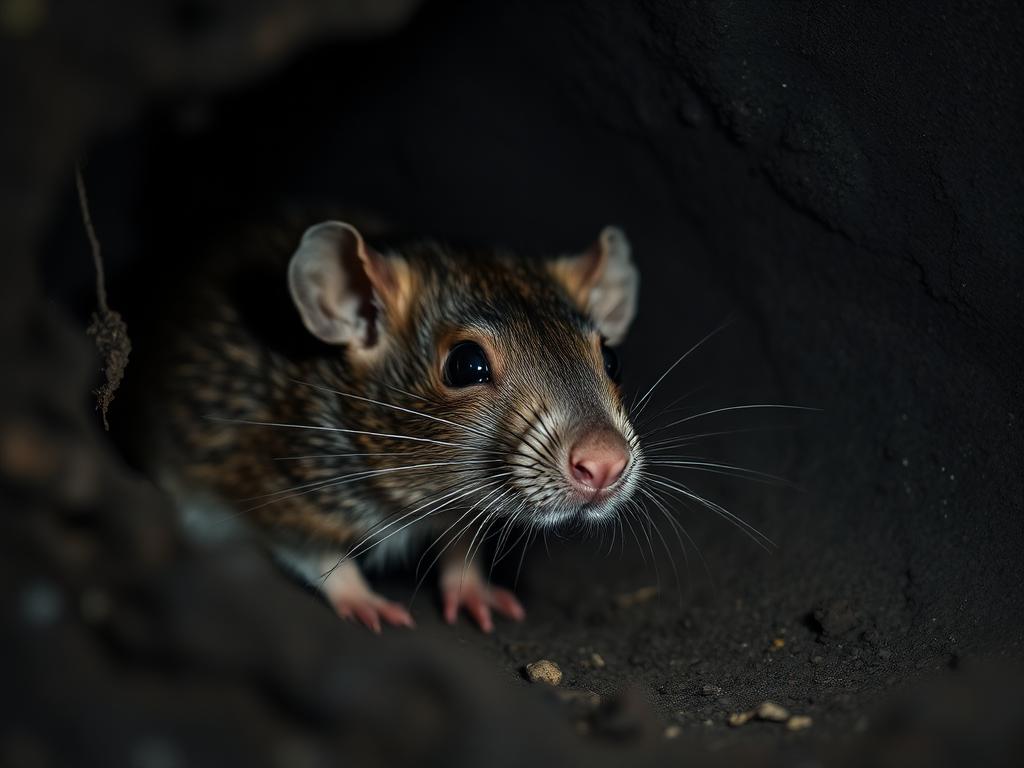
Norway Rat
Burrowing rat of dense older neighborhoods, alleys, and waterfronts.

Roof Rat
Climbing rat that nests in attics and travels overhead lines and limbs.
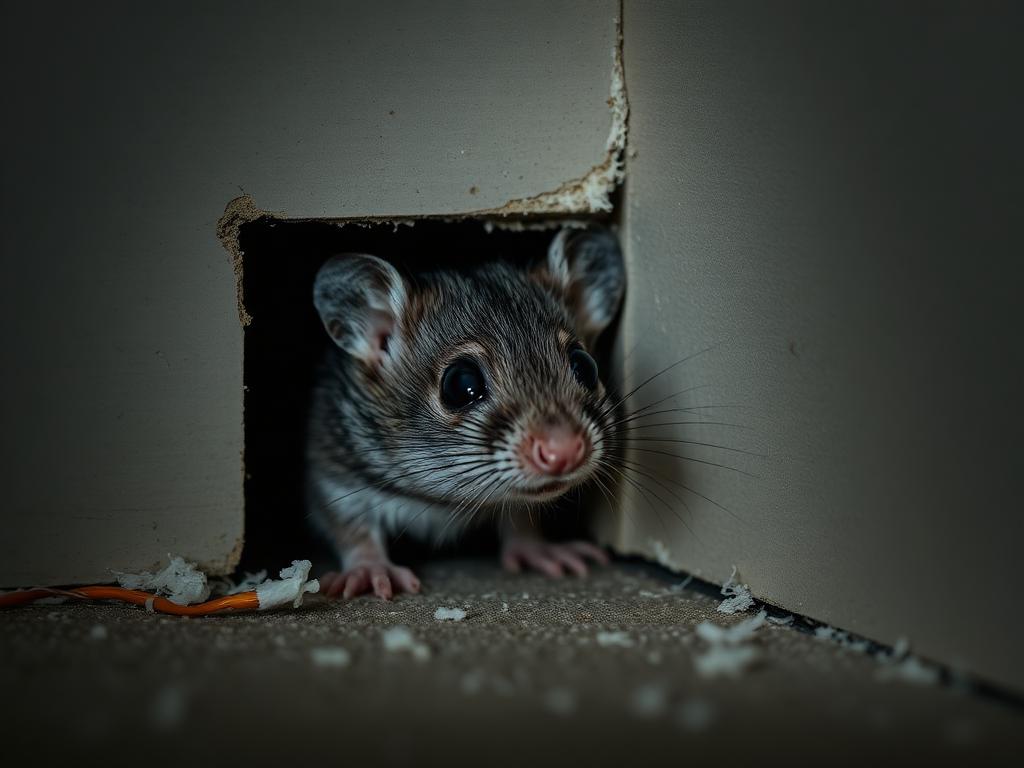
House Mouse
Fits through a gap the width of a pencil, breeds year-round indoors.

Raccoon
Heavy nighttime attic activity and torn roofline material.
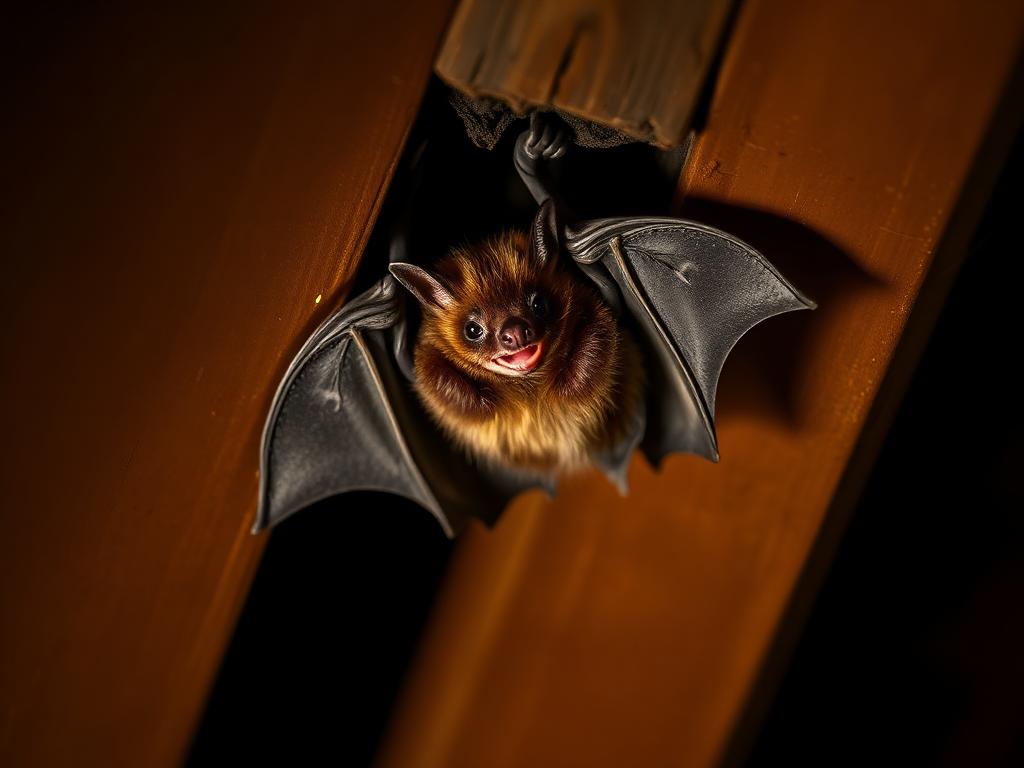
Bat
Protected species — exclusion is timing-sensitive and must be done correctly.
Confirm the ID and get it handled
Send a photo and the location in the structure. A licensed technician will tell you the species and whether it needs a visit.
Request an inspection