
Rodents & wildlife
Raccoon Control in Hampton Roads
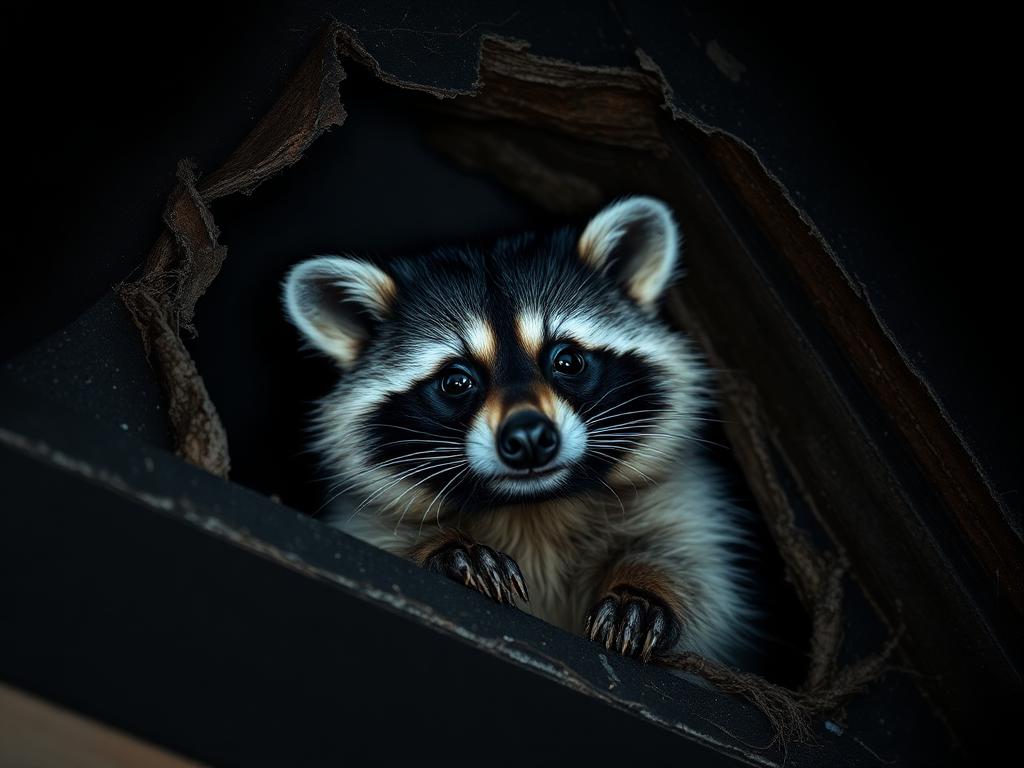
Heavy nighttime attic activity and torn roofline material.
- Adult size
- 10 – 30 lb
- Color
- Grey, black mask, ringed tail
- Group size
- Female plus kits
- Lifespan
- 2 – 3 years in the wild
Raccoons are the heaviest, loudest attic intruder homeowners in Hampton Roads deal with, and the damage reflects it: torn shingles or ridge vent material, a chewed-open soffit corner large enough for the animal's body, and compressed or displaced insulation across a wide area. Waterfront and suburban neighborhoods in Chesapeake, Virginia Beach, and Suffolk see steady raccoon pressure because these animals are comfortable moving between wooded lots, drainage corridors, and residential structures, and an accessible chimney or attic gap is a reliable substitute for a natural den.
Virginia treats raccoons as a rabies-vector species, which changes how removal has to be handled. It means direct handling carries real health risk, and it's also why humane, exclusion-based removal is the standard approach rather than relocation, which is both impractical and, for this species, not something homeowners should attempt themselves.
Spring maternity denning is the single most important timing factor in raccoon work in this region. A female raccoon denning in an attic to raise young will defend that den aggressively, and excluding the adult before the young are old enough to leave on their own results in orphaned kits trapped inside the structure — a serious animal welfare issue and a guaranteed odor and secondary pest problem. Any legitimate removal plan accounts for this before anything is sealed.
How to identify raccoon
Loud, heavy movement overhead at night, torn shingles or ridge vent, large droppings, and damaged insulation. Females commonly den in attics during spring.
When raccoon activity peaks
Females tear into attics to den from February through May.
April — activity index 95 / 100 (annual peak)
Raccoon biology and life cycle
Raccoons breed in late winter, typically January through March, with a roughly nine-week gestation leading to litters of two to five kits born in the spring, often April through May in this region. Kits remain in the den for about eight to ten weeks before they begin following the mother on foraging trips, and a female will defend an active den site strongly during this period. Outside of the spring denning season, raccoons den more opportunistically and may use an attic, chimney, or crawl space intermittently rather than continuously, which can make activity harder to pin down until damage accumulates. Adult raccoons are largely nocturnal, so daytime attic activity is a notable warning sign that often indicates a stressed or denning female rather than typical foraging behavior.
When raccoon pressure peaks in Hampton Roads
Attic and chimney denning calls climb sharply from March through June as females seek den sites for the spring litter, and this is the window where exclusion timing matters most. A secondary rise occurs in fall as raccoons seek stable, insulated shelter ahead of colder nights, though this activity is usually a single adult rather than a maternity den. Waterfront properties along drainage corridors and marsh edges in Chesapeake and Virginia Beach tend to see steadier year-round pressure than inland properties, simply because there's a larger resident raccoon population moving through those corridors.
Raccoon threat profile
Structural risk
80/100
Damage to framing, floors and finishes
Health risk
75/100
Bites, stings, allergens and pathogens
Spread rate
25/100
How fast it multiplies once established
DIY difficulty
95/100
How reliably store products fail on it
Does yours match? Interactive ID checklist
0 of 4 traits matched
Tick everything you can actually see.
Why it is in your house
Abundant in suburban and waterfront areas with accessible attics, chimneys, and crawl spaces.
Field notes: raccoon you did not know
- Fact 01
They have hands dexterous enough to work a latch or unscrew a vent cover.
- Fact 02
Raccoon roundworm in the droppings is a genuine human health hazard.
- Fact 03
A denning female will rip through soffit, shingles and flashing to reach a dry attic.
Signs of raccoon activity
- Heavy, deliberate movement overhead at night, distinctly louder and slower than rodent or squirrel activity.
- Torn or lifted shingles, ridge vent, or flashing at the roofline.
- Large, tubular droppings, often deposited repeatedly in the same spot, called a latrine.
- A chewed or pried-open gap at a soffit, gable vent, or chimney cap.
- Displaced or heavily compressed insulation in one section of the attic.
- Daytime activity or vocalization from the attic, which often signals a denning female with young.
What raccoon activity costs you
Raccoons are a primary rabies-vector species in Virginia, and while attic-denning behavior itself doesn't mean an animal is infected, any direct contact should be avoided and reported to appropriate authorities rather than handled personally. Raccoon latrines pose a real health concern because the droppings can carry raccoon roundworm, which remains infectious in soil and dust long after the animal is gone and requires careful, specific cleanup rather than simple removal. Structural damage from entry and denning — torn roofing material, compressed or soiled insulation, chewed wiring — is typically more extensive than squirrel damage given the raccoon's size and strength, and chimney denning in particular can leave debris and damage that affects chimney function.
What actually removes it
Humane removal with attention to dependent young, permanent exclusion, sanitation and insulation remediation, and repair of the entry damage.
Wildlife ExclusionThe Guardex raccoon treatment plan
01 · Inspection and den assessment
We assess the attic, chimney, or crawl space for active denning sign and determine whether young are likely present based on the season and evidence found. This determines the exclusion timeline.
02 · Humane one-way exclusion
Once dependent young are accounted for, a one-way exclusion device is installed at the entry point to let the adult leave without re-entering, which is the standard humane method for this species.
03 · Permanent sealing and latrine remediation
After exclusion is confirmed, entry points are sealed with heavy-gauge material sized to raccoon strength, and any latrine areas are addressed with the caution warranted by roundworm risk.
04 · Damage documentation and repair referral
Roofing, insulation, and wiring damage from the denning period is documented and referred for repair, since raccoon damage is often more extensive than what other wildlife leaves behind.
Why store-bought products usually fail
Handling or attempting to trap a raccoon directly carries genuine rabies exposure risk and is not something a homeowner should do without training and protective equipment. Sealing an entry point before confirming the den is empty of young results in kits trapped and dying inside the structure, which is both inhumane and creates a severe secondary problem. Raccoon latrine cleanup requires specific precautions against roundworm exposure that go well beyond a typical cleaning approach, and raccoons are strong enough to defeat improvised repairs that would hold against smaller wildlife.
Prevention checklist
- Install a proper chimney cap rated for wildlife exclusion, since uncapped chimneys are one of the most common raccoon den sites.
- Secure garbage cans with locking or clamped lids, since accessible garbage is a major attractant.
- Repair soft or damaged roofline material promptly before it's enlarged into an entry point.
- Trim tree limbs that provide direct roof access.
- Keep pet food indoors overnight rather than leaving it accessible outside.
- Have chimneys and attics inspected each spring in areas with known raccoon activity.
Where raccoon pressure runs highest
Commonly mistaken for raccoon
Raccoon questions we get asked
- Is it legal to just trap and move a raccoon myself?
- Handling raccoons directly carries real rabies exposure risk, and relocation isn't a practical or appropriate solution for this species. Humane one-way exclusion, done at the right time of year, is the standard approach we use.
- What happens if there are baby raccoons in my attic?
- We confirm whether young are present before sealing anything. If there are, exclusion is timed to let the kits mature enough to leave with the mother, which usually means waiting several weeks before permanent sealing.
- Is raccoon activity common near the water in Chesapeake and Virginia Beach?
- Yes, properties along drainage corridors, marsh edges, and wooded waterfront lots see steadier raccoon activity than inland properties simply due to population density in those corridors.
- How long does the whole process take?
- Outside maternity season, exclusion and sealing can often be completed within a week or two. During spring denning, the timeline depends on how old the young are and can extend to several weeks.
- Do you clean up raccoon droppings in the attic?
- We assess latrine areas as part of the job and handle remediation with appropriate precautions given the roundworm risk in raccoon droppings, or coordinate directly with a specialized cleanup service when the contamination is extensive.
Services that handle raccoon problems
- Quarterly Pest ControlRecurring exterior-focused program covering the region's standard pest set.
- Cockroach ControlGerman roach elimination indoors, American and oriental roach control at the source.
- Ant ControlSpecies-specific baiting for odorous house, Argentine, pavement, and fire ants.
- Rodent Control & ExclusionTrapping paired with physical exclusion so they cannot come back.
- Mosquito & Tick ControlYard programs targeting harborage and standing-water breeding sites.
- Bed Bug TreatmentInspection-driven treatment programs with confirmation follow-ups.
Others in this category
Norway Rat
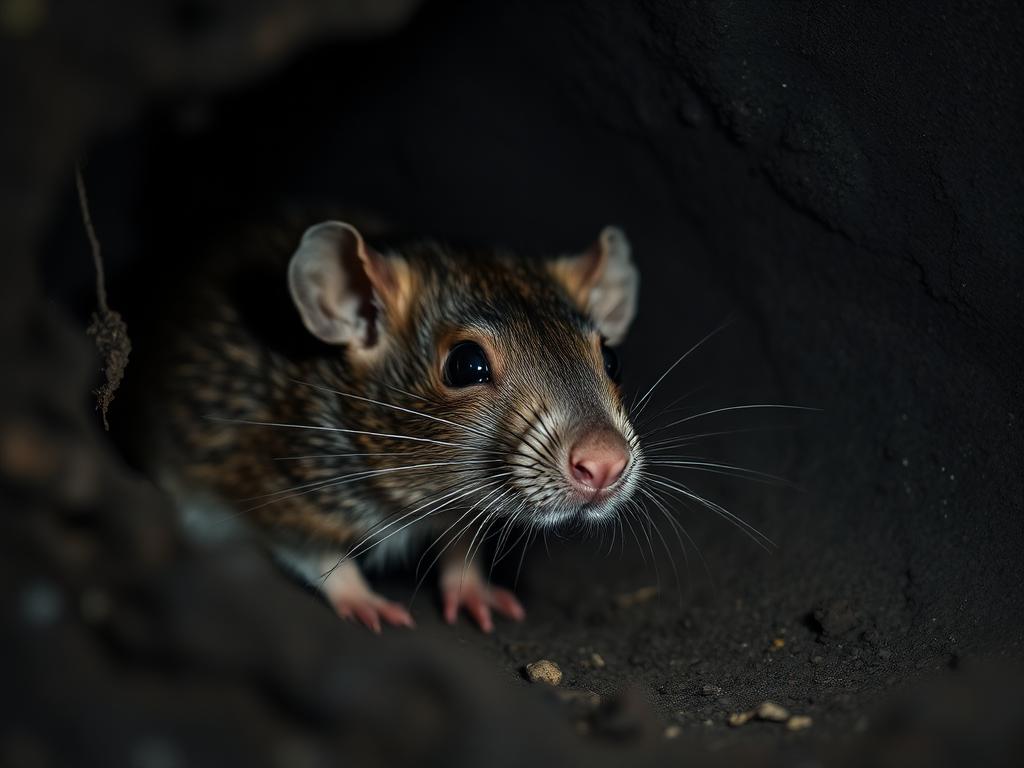
Burrowing rat of dense older neighborhoods, alleys, and waterfronts.

Roof Rat
Climbing rat that nests in attics and travels overhead lines and limbs.
House Mouse
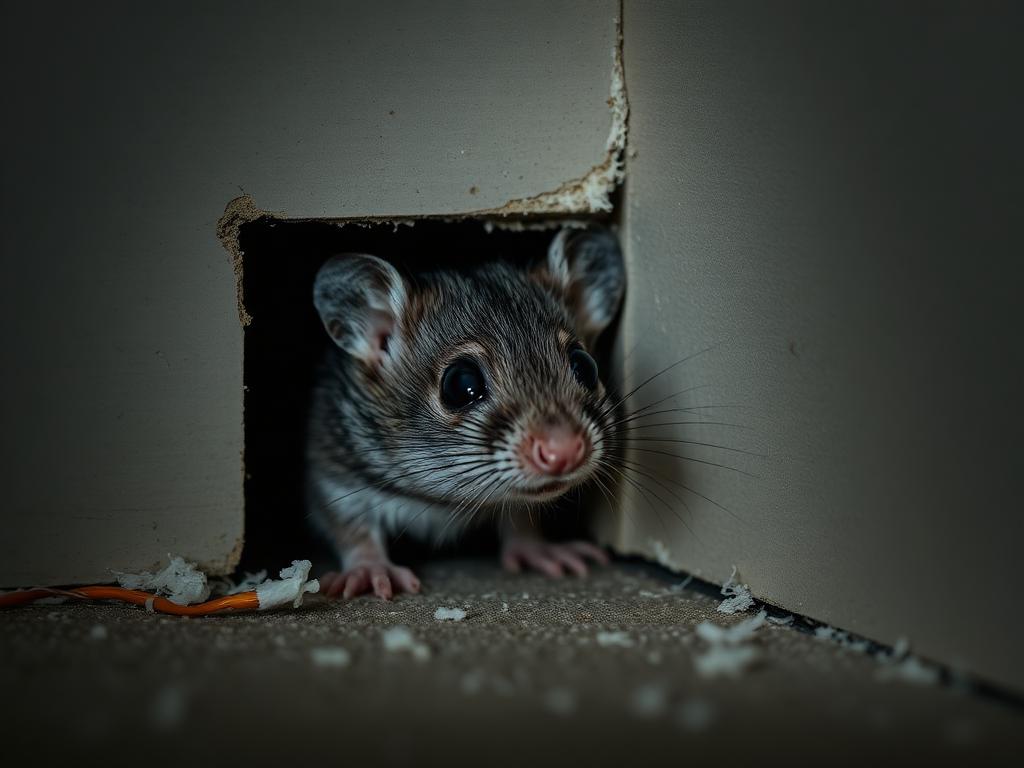
Fits through a gap the width of a pencil, breeds year-round indoors.
Squirrel
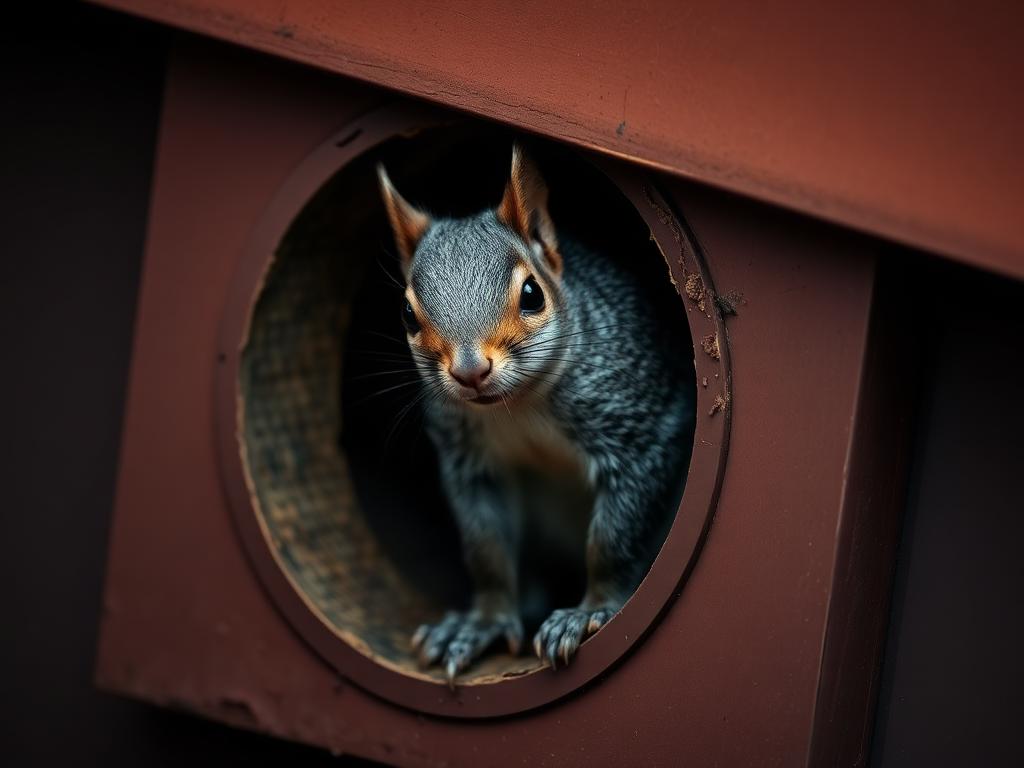
Daytime attic noise, chewed soffit, and gnawed wiring.
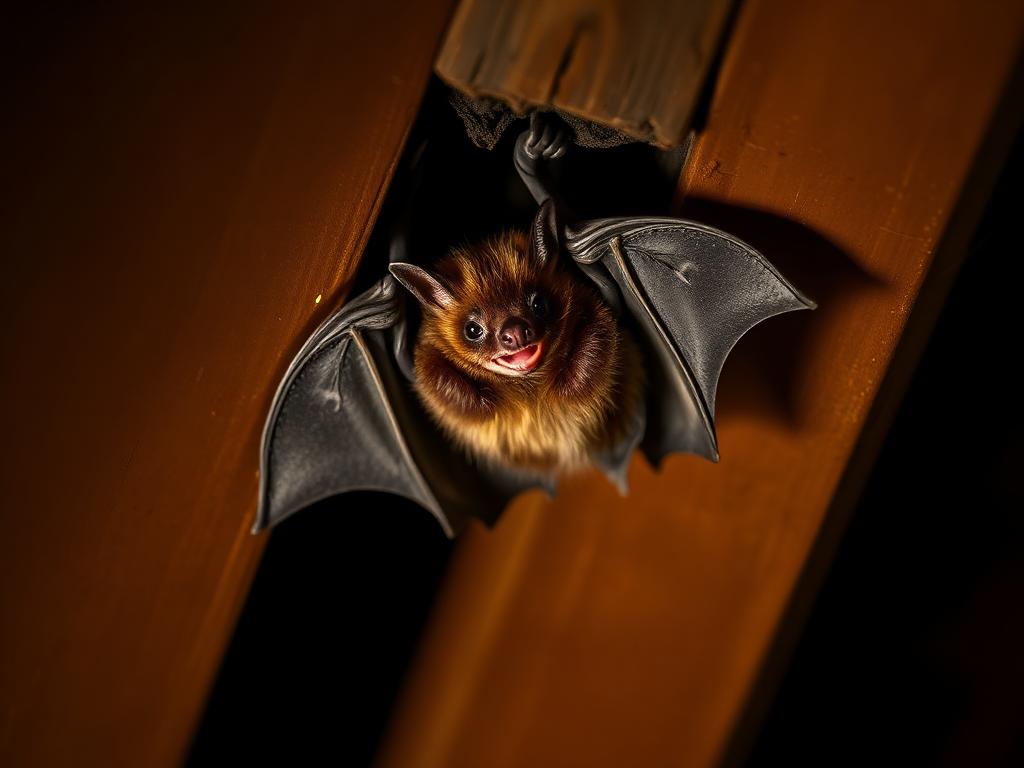
Bat
Protected species — exclusion is timing-sensitive and must be done correctly.
Confirm the ID and get it handled
Send a photo and the location in the structure. A licensed technician will tell you the species and whether it needs a visit.
Request an inspection