
Wood-destroying organisms
Old House Borer Control in Hampton Roads
Audible chewing in softwood framing, with oval exit holes.
Hylotrupes bajulus
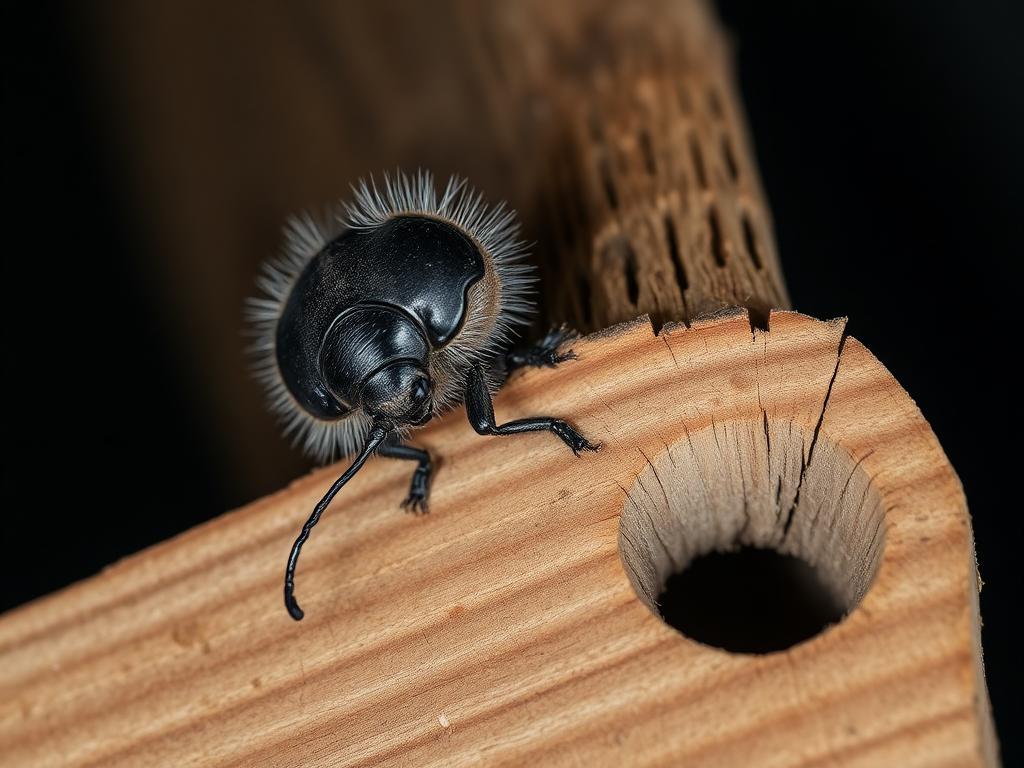
- Adult size
- 5/8" – 1"
- Color
- Brownish-black, grey hairs
- Group size
- Solitary larvae
- Lifespan
- 3 – 12 years in wood
The old house borer is a longhorned beetle that targets seasoned softwood framing, almost always pine, which happens to be the dominant structural lumber used across older housing throughout Hampton Roads. Unlike powderpost beetles, which can infest a wide range of hardwoods and softwoods, old house borer larvae have a narrower preference for softwood that has already dried and seasoned for at least a few years after milling, which is exactly the condition of framing lumber in a house that's been standing for decades.
One of the more distinctive things about this insect is that its presence is sometimes first noticed by sound rather than sight: larvae feeding inside wall studs or attic rafters produce an audible rasping or ticking noise, occasionally described by homeowners as sounding like a faint clicking coming from inside the wall in an otherwise quiet room. That auditory clue, combined with oval exit holes and rippled gallery walls once the wood is opened up, is often what prompts a homeowner in an older Norfolk or Hampton neighborhood to call for an inspection before any visible exit holes even appear.
Because larval development can take several years inside a single piece of wood, an old house borer infestation frequently predates the current owner and can remain undetected through more than one sale, only surfacing during a renovation when a wall is opened or during a targeted wood-destroying insect inspection. It's a slower-moving problem than a termite colony, but the extended larval feeding period means real structural loss can accumulate in one section of framing over the years even though the insect itself is far less commonly discussed than termites.
How to identify old house borer
Oval exit holes about a quarter inch across in softwood framing, with rippled gallery walls and coarse powdery frass. Larvae are often heard as a rasping or ticking sound in quiet rooms.
When old house borer activity peaks
Emergence and audible chewing peak in the warm months, June through August.
June — activity index 85 / 100 (annual peak)
Old House Borer biology and life cycle
Adult beetles lay eggs in cracks and crevices of seasoned softwood, typically in wood that already has some moisture exposure, and the larvae bore extensive tunnels through the interior for what is usually two to ten years depending on wood conditions and temperature, an unusually long larval stage compared to most structural wood pests. Feeding larvae leave rippled, wavy gallery walls packed with fine, powdery frass, and as they near maturity they tunnel close to the wood surface before pupating and emerging as adults through oval exit holes roughly a quarter inch across. Because a single piece of framing can host overlapping generations at different larval stages, an infestation can appear to persist or worsen over many years even without new eggs being laid, simply as different larvae mature and emerge at different times. This extended, hidden development period is the core reason old house borer damage is often more advanced than it initially appears once finally discovered.
When old house borer pressure peaks in Hampton Roads
Adult beetles typically emerge and are active during the warmer months, generally late spring through summer in this region, when they mate and lay new eggs in suitable seasoned softwood. Because larval development takes years rather than months, however, evidence of feeding activity, particularly the audible rasping sound of larvae working inside a wall or rafter, can be noticed at any time of year and isn't tied to a specific season the way termite swarms are. Increased attic and crawl space moisture following the region's hurricane season and winter nor'easters can accelerate larval development somewhat, since higher wood moisture generally speeds feeding activity in wood-boring insects generally.
Old House Borer threat profile
Structural risk
65/100
Damage to framing, floors and finishes
Health risk
5/100
Bites, stings, allergens and pathogens
Spread rate
30/100
How fast it multiplies once established
DIY difficulty
85/100
How reliably store products fail on it
Does yours match? Interactive ID checklist
0 of 4 traits matched
Tick everything you can actually see.
Why it is in your house
It attacks seasoned softwood framing — the pine used across the region's older housing — and higher moisture accelerates development.
Field notes: old house borer you did not know
- Fact 01
Despite the name, it is most often found in houses under ten years old — it arrives in the lumber.
- Fact 02
The larvae are loud enough to hear: a rhythmic ticking or rasping inside the framing on a quiet night.
- Fact 03
Larvae can develop in a beam for over a decade before an adult ever emerges.
Signs of old house borer activity
- Oval exit holes about a quarter inch across scattered across exposed softwood framing.
- Rippled, wavy texture visible on the interior gallery walls when damaged wood is opened up.
- Coarse, powdery frass packed loosely within the tunnels rather than pushed cleanly out of the wood.
- An audible rasping, ticking, or chewing sound coming from inside a quiet wall or attic space.
- Blistered or slightly sunken areas on the wood surface where extensive tunneling lies just beneath.
- Structural softwood, particularly rafters and studs, that sounds dull or hollow when tapped compared to sound wood nearby.
What old house borer activity costs you
Because larval feeding can continue undetected for years within a single stud or rafter, structural loss from old house borer activity can be more advanced than it appears from the outside once finally discovered, particularly in attics and wall cavities that are rarely opened up for inspection. In the region's older softwood-framed housing stock, sustained feeding in a load-bearing member can meaningfully reduce its strength over the multi-year larval period, and unlike termite damage, this activity may not leave any visible ground-level indicator like a mud tube to prompt an earlier inspection. It's also a recognized category on wood-destroying insect inspections at closing, so a homeowner with known or suspected activity should expect it to surface during a future sale even if it never causes an obvious visible failure.
What actually removes it
Localized treatment, replacement of structurally compromised members, and moisture reduction in the affected space.
Structural Wood RepairThe Guardex old house borer treatment plan
01 · Localized inspection and sound testing
A technician inspects accessible framing and, where infestation is suspected but not yet visible, checks for the characteristic rasping sound and probes for softened wood. This localizes which specific framing members are affected before any treatment decision is made.
02 · Targeted treatment of active galleries
Affected wood is treated directly, addressing larvae currently feeding within the accessible galleries. Because larvae can be present at multiple depths and stages, treatment focuses on the specific members showing activity rather than a blanket structural spray.
03 · Replacement of structurally compromised members
Rafters, studs, or other framing with significant loss of structural integrity from years of larval feeding are replaced rather than treated alone. This is more common with old house borer than with faster-cycling pests, given how long undetected feeding can continue.
04 · Moisture reduction in the affected space
Since elevated wood moisture accelerates larval development, correcting attic or crawl space moisture sources helps slow any remaining activity and reduces suitability for future infestation. This step is paired with the structural work rather than treated as optional.
Why store-bought products usually fail
Because old house borer larvae can be tunneling several inches deep into a stud or rafter, surface-applied retail insecticides have essentially no chance of reaching them, and the multi-year larval stage means a homeowner could apply a product, see no immediate change, and have no reliable way to know whether it worked or simply missed the insect entirely. Confirming which framing members are actually structurally compromised after years of hidden feeding requires probing and inspection experience most homeowners don't have, and misjudging that can mean leaving a genuinely weakened rafter in place under the assumption that surface treatment alone solved the problem. This is a slower-moving pest than a termite colony, but that slowness also means DIY missteps go uncorrected for a long time before the consequence becomes obvious.
Prevention checklist
- Have older softwood-framed attics and crawl spaces inspected periodically, even without an active complaint.
- Investigate any unexplained rasping or ticking sound coming from a wall, attic, or rafter promptly.
- Reduce attic and crawl space moisture, since elevated wood moisture accelerates larval development.
- Avoid installing new framing lumber directly against old, potentially infested seasoned softwood without inspection.
- Address any known old house borer activity before listing a home to avoid a closing-stage surprise.
- Keep attic ventilation functioning properly to prevent the moisture buildup that speeds larval feeding.
Where old house borer pressure runs highest
Commonly mistaken for old house borer
Old House Borer questions we get asked
- Is old house borer damage expensive to fix compared to termite damage?
- It depends entirely on how many framing members are affected and how long feeding has gone on, since the extended larval period can mean the damage is more advanced than expected. Cost is assessed after inspection since it ranges from targeted treatment to significant framing replacement.
- How do I know if I actually have this in my house versus regular termites?
- Old house borer leaves oval exit holes with rippled gallery walls in softwood framing specifically, and it's sometimes noticed first through an audible rasping sound rather than mud tubes or swarmers. A technician can distinguish it from termite or powderpost beetle damage during inspection.
- Is this actually found in homes in my part of Hampton Roads?
- Yes, particularly in older softwood-framed housing common throughout Norfolk, Hampton, and Portsmouth, since it specifically targets seasoned pine framing that's abundant in the region's older housing stock. It's less commonly discussed than termites but not rare in older construction.
- How long does it take for treatment to actually stop the noise or activity?
- Since larvae can be present at different stages within the wood, some residual activity may continue for a period even after treatment as remaining larvae mature and emerge. The goal of treatment is to stop new egg-laying and address currently active galleries, not necessarily an instant end to every sound.
- Will I need to replace framing, or is treatment usually enough on its own?
- It depends on how much structural strength has been lost during the multi-year larval feeding period. Lightly affected members are often treated and retained, while significantly weakened rafters or studs are typically replaced rather than treated alone.
Services that handle old house borer problems
Further reading
- Crawl space encapsulation, explained honestlyWhat encapsulation actually is, when it is worth the money in coastal Virginia, and when a vapor barrier and drainage correction is the right call instead.
- The NPMA-33: what agents and buyers actually need to knowThe wood-destroying insect report is a closing document with real deadlines. Here is what it covers, what it does not, and how to keep it from delaying settlement.
- Wood moisture readings: what the numbers on your report meanInspectors quote moisture content percentages like everyone knows the thresholds. Here are the ranges that matter and what each one obligates you to do.
Others in this category
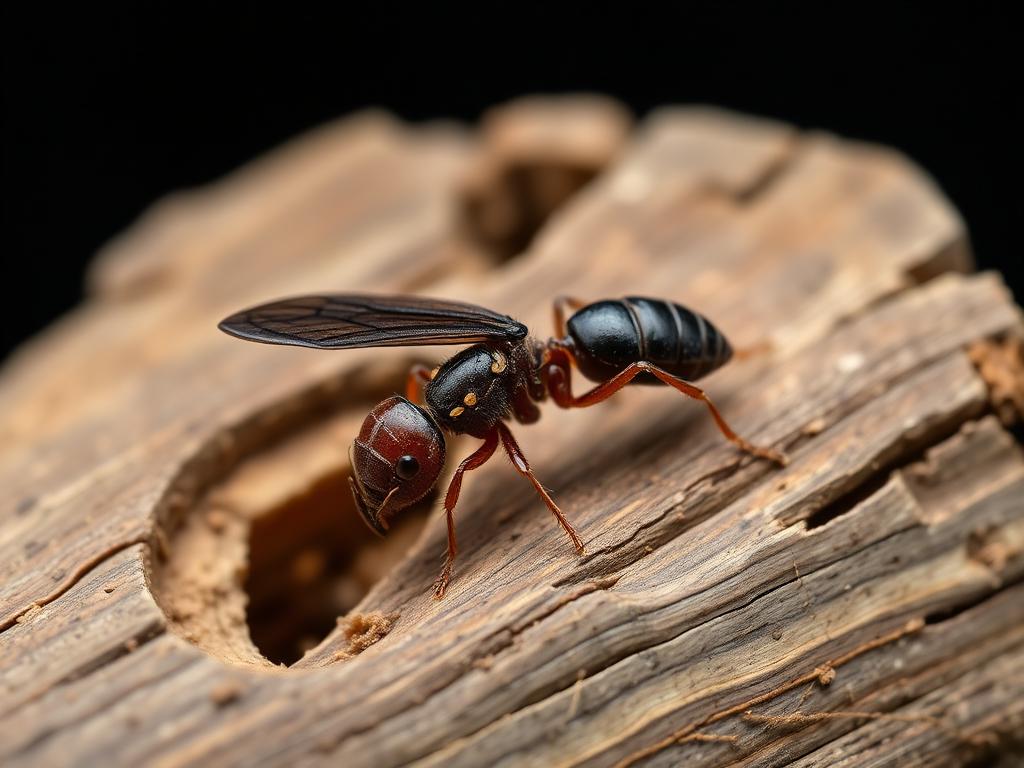
Eastern Subterranean Termite
The default termite threat in every Hampton Roads city.
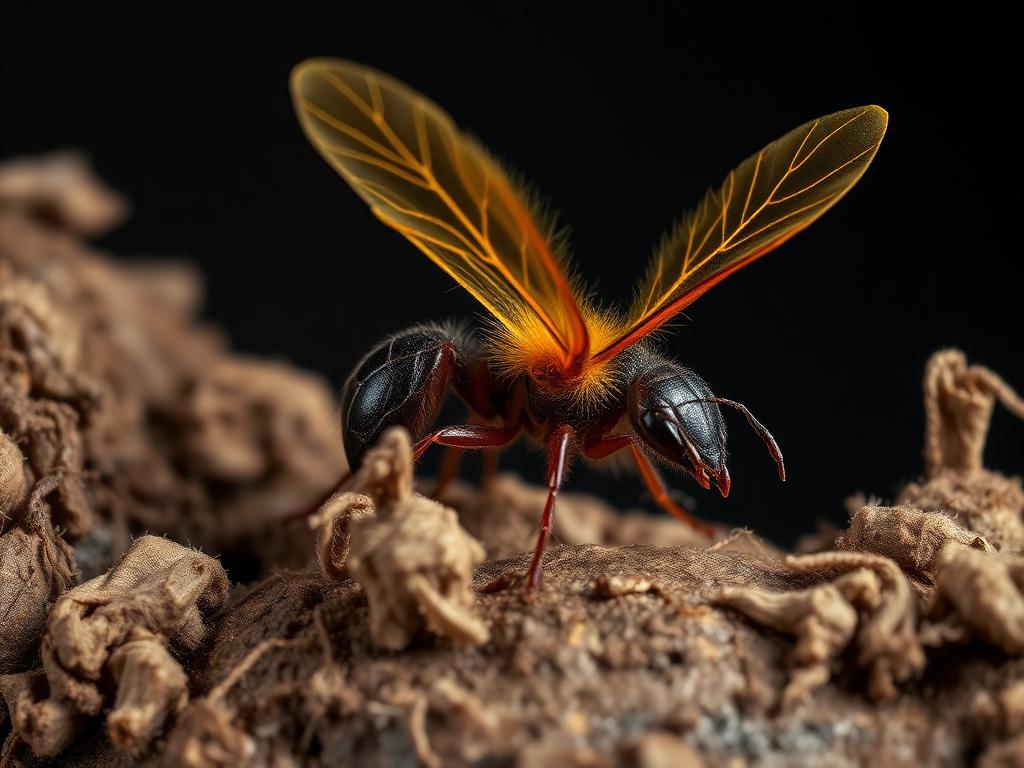
Formosan Subterranean Termite
Larger, faster colonies — confirmed in Norfolk and a genuine regional concern.
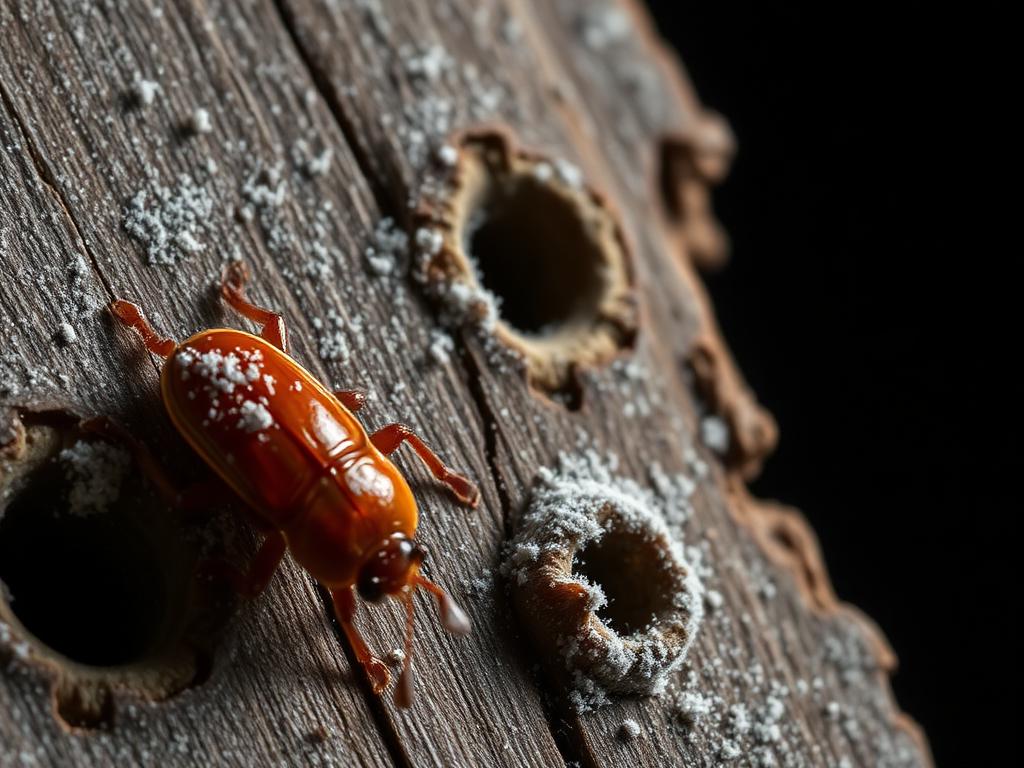
Powderpost Beetle
Fine flour-like frass under pinholes in crawl space framing and hardwood.
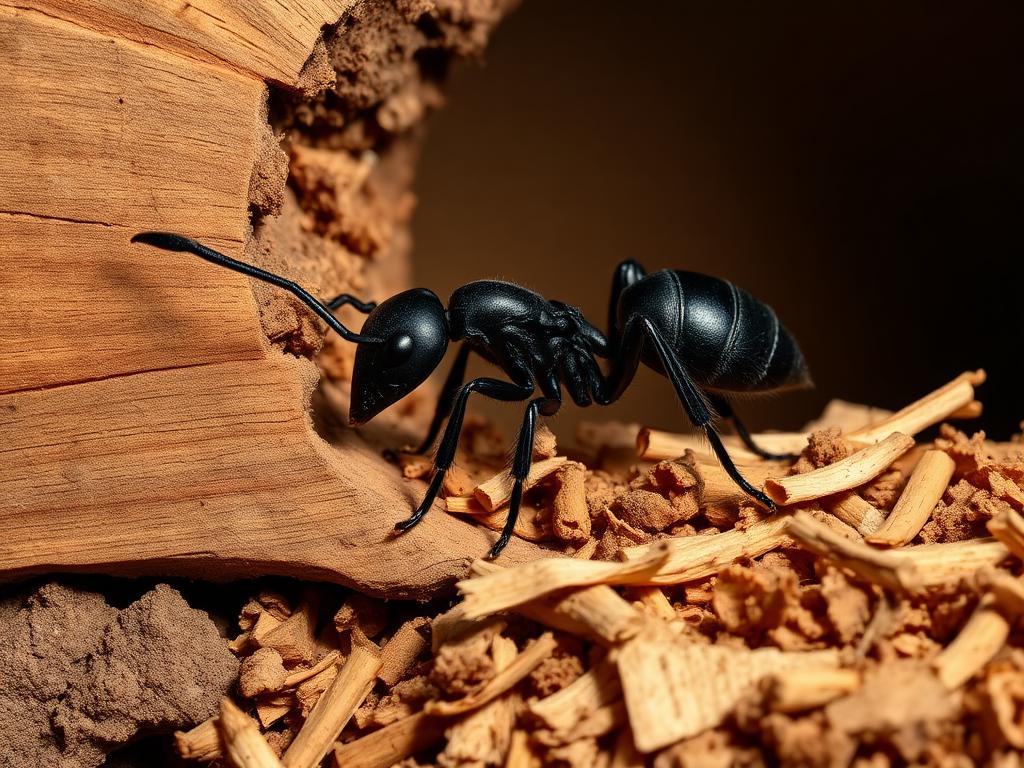
Carpenter Ant
Large black ants excavating galleries in wood that is already wet.
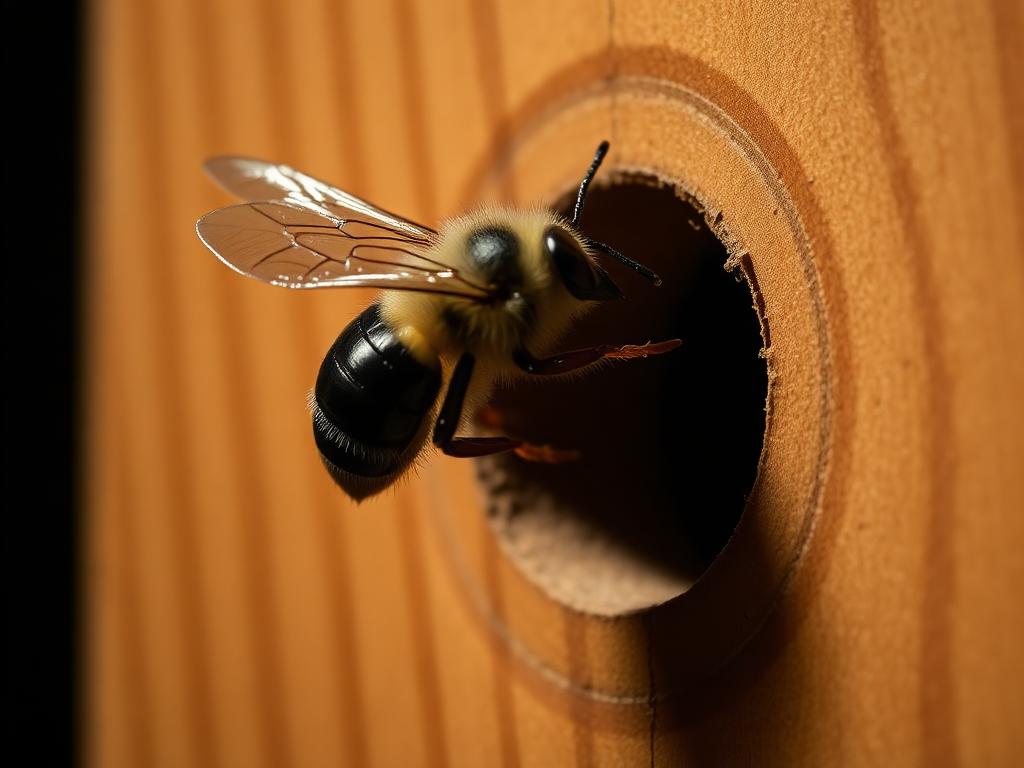
Carpenter Bee
Perfectly round half-inch holes in fascia, decks, and railings.
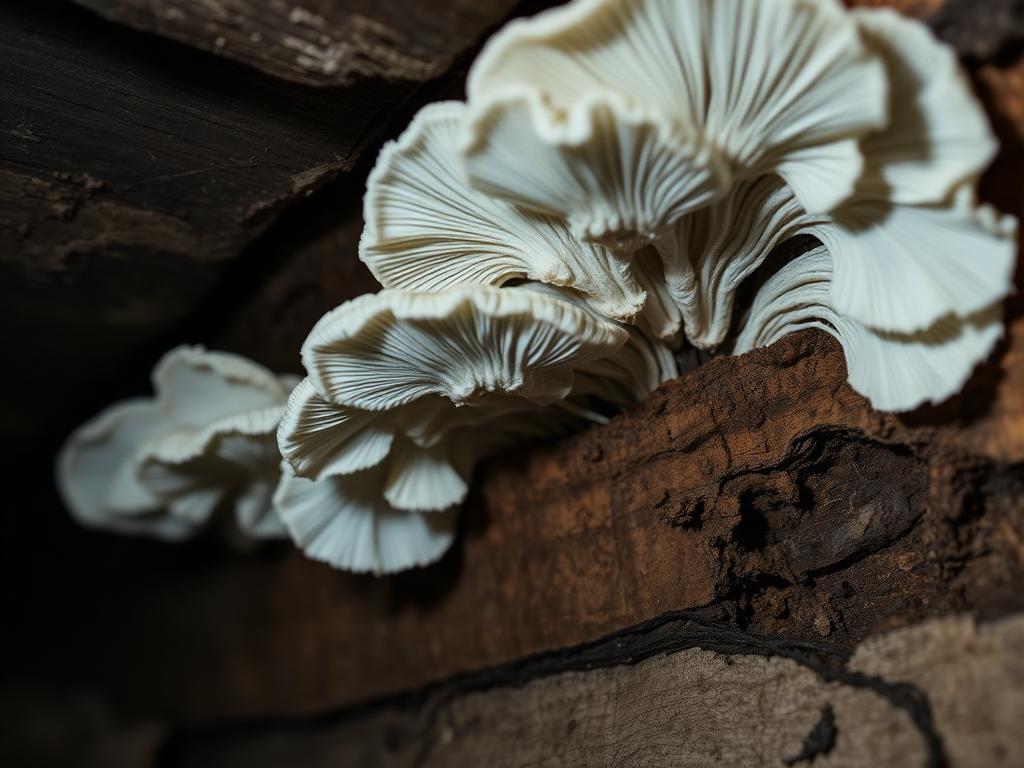
Wood-Decay Fungus
Not an insect, but the single biggest cause of structural loss under coastal houses.
Confirm the ID and get it handled
Send a photo and the location in the structure. A licensed technician will tell you the species and whether it needs a visit.
Request an inspection