
Wood-destroying organisms
Formosan Subterranean Termite Control in Hampton Roads
Larger, faster colonies — confirmed in Norfolk and a genuine regional concern.
Coptotermes formosanus
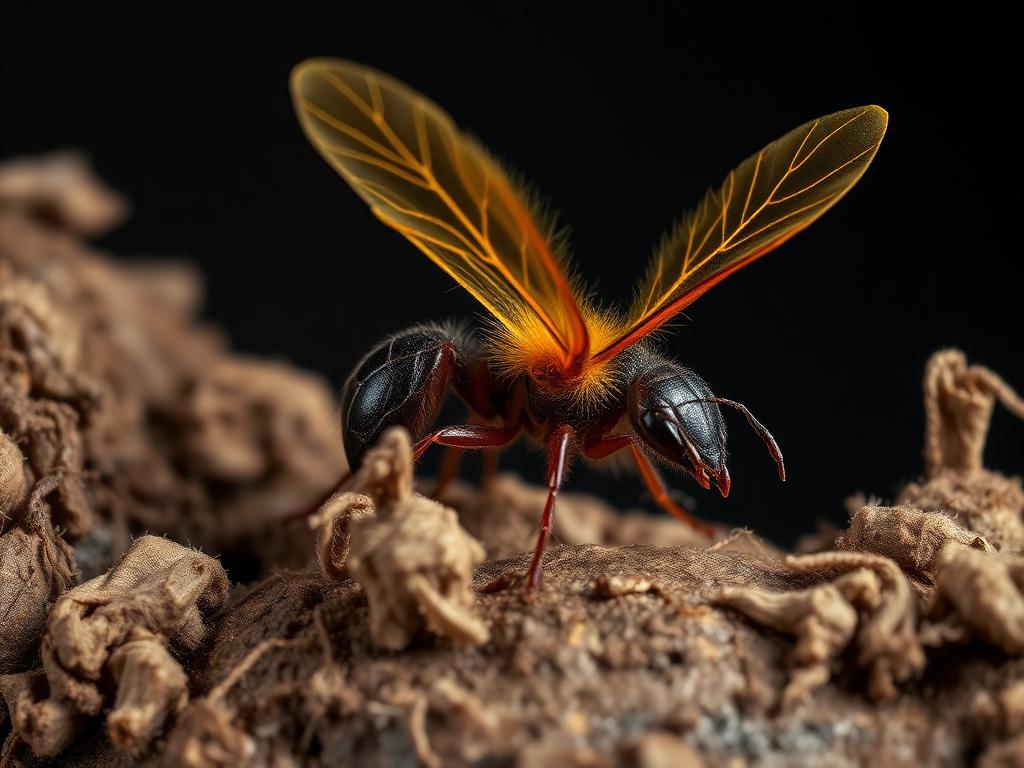
- Adult size
- 1/2" swarmer
- Color
- Yellowish-brown, hairy wings
- Group size
- Several million
- Lifespan
- Queen 15+ years
Formosan subterranean termites are the species that changes the urgency conversation. Colonies grow larger and forage faster than the native eastern subterranean termite, and a Norfolk structure confirmed infested in 2022 marked the northernmost documented structural infestation of this species in the United States at the time. Port of Norfolk shipping traffic is the leading suspected introduction pathway, since this species has a long history of arriving in wood packing material and dunnage on cargo vessels.
What sets Formosan colonies apart biologically is scale and behavior. A mature colony can number in the low millions rather than the hundreds of thousands typical of an eastern subterranean colony, and workers forage more aggressively over a wider radius. Formosan termites are also capable of building aerial carton nests, moisture-retaining structures built directly inside wall voids or attics using saliva, soil, and wood fragments, that let the colony sustain itself above ground without a permanent soil connection, unlike the eastern species.
Because the known infestation is concentrated in Norfolk, GUARDEX treats any swarmer sighting, aerial carton material, or nighttime swarming behavior anywhere in Norfolk, Portsmouth, or Chesapeake as a priority inspection rather than routine service. Early detection genuinely matters more with this species since the same window of undetected activity produces disproportionately more structural damage than it would with the native termite.
How to identify formosan subterranean termite
Swarmers are yellowish-brown with hairy wings and swarm at night around lights, unlike the daytime eastern subterranean swarms. Soldiers have oval heads that release a white defensive fluid. Aerial carton nests can form inside walls without soil contact.
When formosan subterranean termite activity peaks
Night swarms around exterior lights, heaviest May through July.
June — activity index 95 / 100 (annual peak)
Formosan Subterranean Termite biology and life cycle
Formosan colonies follow the same general caste structure as eastern subterranean termites, workers, soldiers, and reproductives, but develop faster and reach reproductive maturity in less time, often within two to four years of founding. Soldiers have oval, teardrop-shaped heads and, when threatened, exude a milky defensive fluid rather than relying on mandibles alone. Swarmers are yellowish-brown and noticeably hairy compared to the eastern species, and a single colony can release tens of thousands of alates during a swarm event, far more than a native colony of comparable age. The aerial carton nest capability means a colony can persist and even reproduce entirely within a structure, in an attic void or behind a shower wall, without ever returning to soil, which removes the soil-contact assumption that many inspection protocols and DIY treatments rely on.
When formosan subterranean termite pressure peaks in Hampton Roads
Formosan swarms occur at night, typically in late spring through early summer on warm, humid evenings, and are drawn strongly to light sources, meaning porch lights and illuminated windows in Norfolk neighborhoods near the port have historically been the first indicator of activity. This nighttime, light-driven swarming pattern is the clearest field distinction from the daytime spring swarms of the eastern subterranean termite. Foraging activity within an established colony continues through the warmer months and slows but does not stop through a typical Hampton Roads winter, consistent with the region's mild cold season.
Formosan Subterranean Termite threat profile
Structural risk
100/100
Damage to framing, floors and finishes
Health risk
5/100
Bites, stings, allergens and pathogens
Spread rate
90/100
How fast it multiplies once established
DIY difficulty
100/100
How reliably store products fail on it
Does yours match? Interactive ID checklist
0 of 4 traits matched
Tick everything you can actually see.
Why it is in your house
An infestation was confirmed in a Norfolk structure in 2022 — the northernmost U.S. structural record at the time — with the Port of Norfolk's international shipping traffic identified as the likely introduction pathway.
Field notes: formosan subterranean termite you did not know
- Fact 01
A single colony can field ten times the foragers of a native subterranean colony.
- Fact 02
They build carton nests out of chewed wood and saliva that hold their own moisture — no soil contact required.
- Fact 03
The first structural infestation this far north was confirmed in Norfolk, tied to port shipping traffic.
Signs of formosan subterranean termite activity
- Nighttime swarms of yellowish-brown termites gathering heavily around porch lights or windows.
- Papery, egg-carton-textured carton material found inside a wall void, behind a fixture, or in an attic.
- Wings shed in unusually large numbers after a warm evening in late spring or early summer.
- Soldiers with rounded, oval heads that release a milky fluid when disturbed or crushed.
- Rapid, extensive wood damage discovered in a much shorter timeframe than typical native termite damage.
- Mud tubes on foundations similar to eastern subterranean termite tubes, sometimes present without any soil connection nearby.
What formosan subterranean termite activity costs you
Formosan colonies cause structural damage at a materially faster rate than native subterranean termites because of colony size and foraging intensity, so the same six-month gap between inspections can mean the difference between minor repair and major structural loss. Because this species can sustain an aerial nest entirely within the structure, damage can also progress in locations a typical crawl space inspection would never reach, such as an upper-floor wall cavity, without any visible ground-level tubing to alert a homeowner. Given the limited but confirmed presence in Norfolk, insurance and resale implications mirror those of the eastern subterranean termite, with the added complication that lenders and inspectors in the affected area are increasingly aware of the species and may ask pointed questions during a WDI inspection.
What actually removes it
Aggressive treatment with a full liquid barrier plus targeted foam or bait application to any above-ground carton nest. Detection matters more than anything: these colonies cause damage far faster than natives.
Termite TreatmentThe Guardex formosan subterranean termite treatment plan
01 · Confirmed species identification
Any suspected Formosan activity is identified by a technician before treatment begins, since soldier and swarmer characteristics differ from the native species and drive different treatment intensity. Samples are preserved for confirmation when needed.
02 · Full liquid termiticide barrier
A complete, continuous barrier is installed around the entire foundation perimeter at label rate, treating every possible soil-to-structure pathway rather than spot-treating visible activity. Given colony size, partial barriers carry a much higher failure risk with this species.
03 · Direct treatment of aerial carton nests
Any carton nest located in a wall void or attic is treated directly with foam or dust application injected into the void, since these nests can sustain the colony without any soil connection to intercept. This step has no equivalent in a typical eastern subterranean termite job.
04 · Close-interval monitoring
Given the aggressive foraging behavior of this species, follow-up inspections are scheduled more frequently than standard annual termite service, particularly in the first year after treatment. Any new swarmer activity nearby triggers an immediate re-inspection.
Why store-bought products usually fail
Formosan colonies are simply too large and too fast for any retail bait stake or spot treatment to have a meaningful effect, and the aerial carton nest behavior means a homeowner could treat every visible ground-level tube and still leave an active, reproducing colony sealed inside a wall. Locating and treating a carton nest requires void-injection equipment and training that isn't available at the retail level, and misidentifying this species as the more common eastern subterranean termite leads to under-treatment that lets the colony continue expanding. Given the documented presence in Norfolk and the disproportionate damage rate, any suspected Formosan activity should go straight to a licensed inspection rather than a store-bought product.
Prevention checklist
- Report any nighttime termite swarming around porch lights promptly, since timing and behavior help distinguish this species early.
- Have homes within Norfolk and nearby port-adjacent Portsmouth and Chesapeake neighborhoods inspected annually given the confirmed local presence.
- Reduce exterior lighting attractants near vulnerable wall sections during peak swarm season in late spring.
- Inspect attics periodically for carton material, particularly in homes near the originally confirmed infestation area.
- Address crawl space and attic moisture, since both species share the same underlying moisture dependency.
- Disclose any known Formosan activity history during a real estate transaction, since it affects WDI reporting and lender requirements.
Where formosan subterranean termite pressure runs highest
Commonly mistaken for formosan subterranean termite
Formosan Subterranean Termite questions we get asked
- Is the Formosan termite actually a real risk in my area, or just in Norfolk?
- The confirmed infestation was in Norfolk, tied to port shipping traffic, and that remains the highest-risk zone. Portsmouth and parts of Chesapeake near the waterfront carry elevated risk given proximity, while inland Suffolk and Isle of Wight County risk remains lower but not zero.
- How is this different from the termites everyone already deals with here?
- Formosan colonies grow larger, forage faster, and can build nests inside walls without soil contact, unlike the native eastern subterranean termite. That means damage can accumulate faster and in places a standard crawl space inspection would miss.
- What does treatment cost compared to standard termite treatment?
- Treatment often costs more because it typically requires a full perimeter barrier plus direct void treatment of any carton nest, rather than a standard barrier alone. Pricing is set after inspection since it depends heavily on whether an aerial nest is found.
- How fast do I need to act if I see a nighttime swarm around my porch light?
- Quickly. Because colonies are larger and more aggressive than the native species, the gap between first sign and meaningful structural damage is shorter. Schedule an inspection within days, not months, of a suspected nighttime swarm.
- Can this termite be fully eliminated from a structure once found?
- Yes, with a complete barrier and direct treatment of any carton nests, though it typically requires more aggressive initial treatment and closer monitoring than a native colony. Full elimination is achievable but demands more follow-up in the first year.
Formosan Subterranean Termite control by city and county
- Formosan Subterranean Termite control in Virginia Beach, VA
- Formosan Subterranean Termite control in Chesapeake, VA
- Formosan Subterranean Termite control in Norfolk, VA
- Formosan Subterranean Termite control in Portsmouth, VA
- Formosan Subterranean Termite control in Suffolk, VA
- Formosan Subterranean Termite control in Newport News, VA
- Formosan Subterranean Termite control in Hampton, VA
- Formosan Subterranean Termite control in Poquoson, VA
- Formosan Subterranean Termite control in Smithfield, VA
- Formosan Subterranean Termite control in Isle of Wight County, VA
- Formosan Subterranean Termite control in Carrollton, VA
Services that handle formosan subterranean termite problems
- Termite InspectionFull structural inspection for active and previous wood-destroying insect activity.
- WDI Inspection & NPMA-33 ReportThe wood-destroying insect report required for VA and HUD-backed closings.
- Termite Baiting SystemsMonitored in-ground bait stations for structures where a full barrier is impractical.
Further reading
- Why Hampton Roads homes get termites faster than the rest of VirginiaA shallow water table, sandy coastal plain soil, and a housing stock built on vented crawl spaces put this region in one of the heaviest termite pressure zones on the East Coast.
- The NPMA-33: what agents and buyers actually need to knowThe wood-destroying insect report is a closing document with real deadlines. Here is what it covers, what it does not, and how to keep it from delaying settlement.
Others in this category
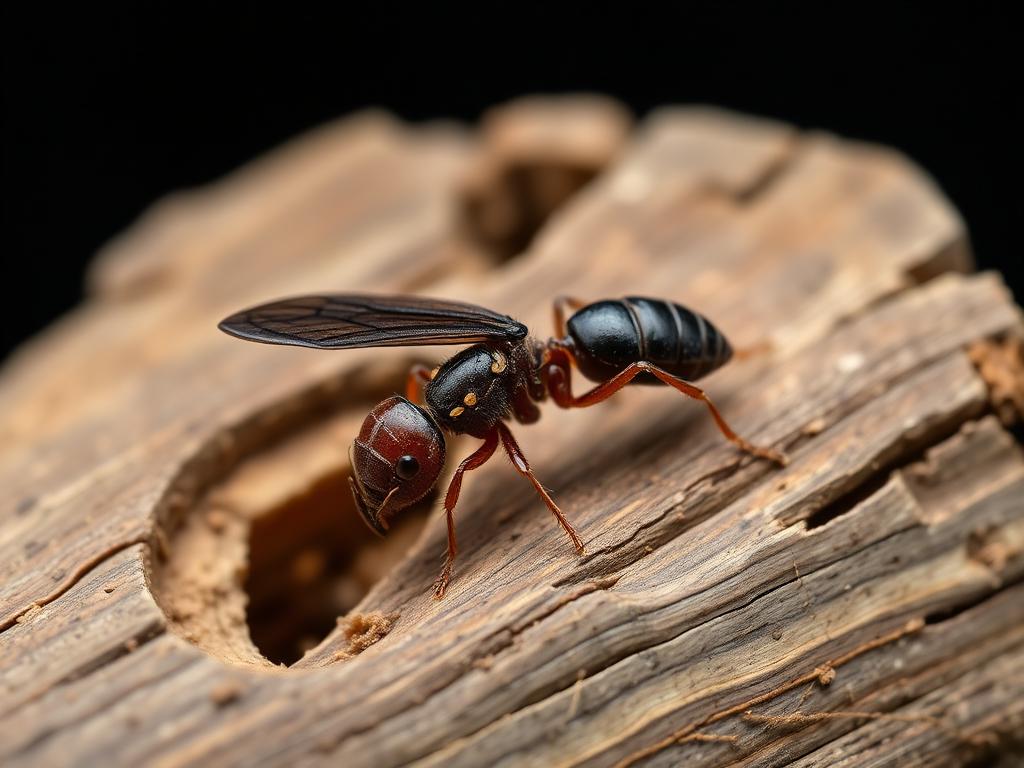
Eastern Subterranean Termite
The default termite threat in every Hampton Roads city.
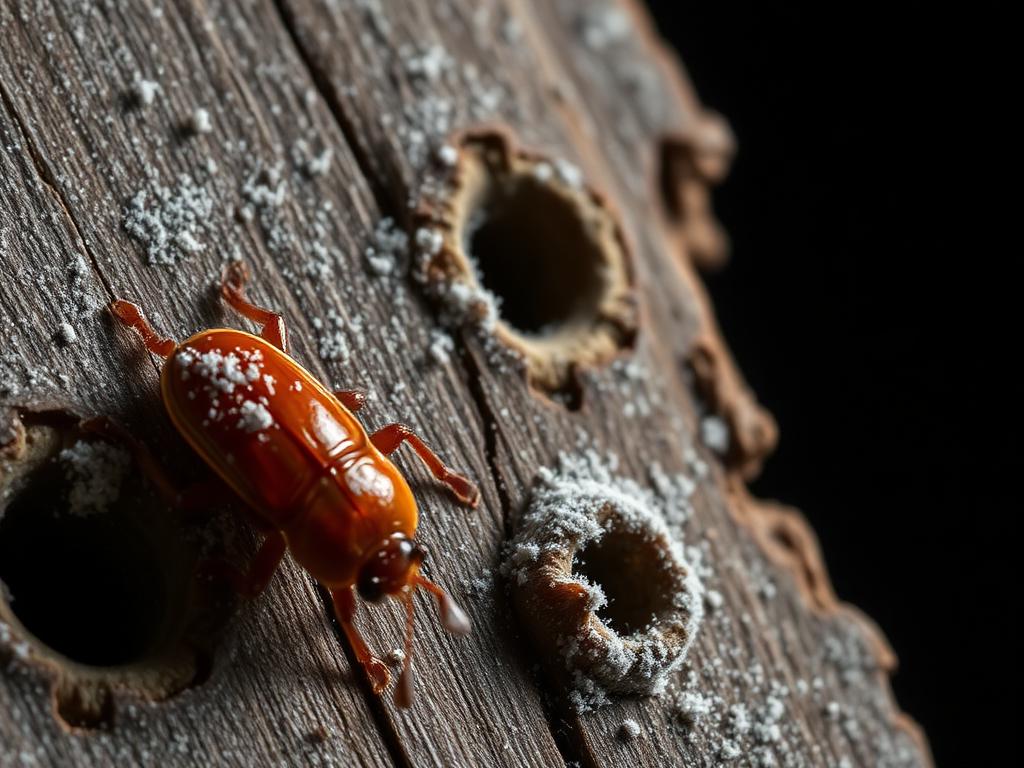
Powderpost Beetle
Fine flour-like frass under pinholes in crawl space framing and hardwood.
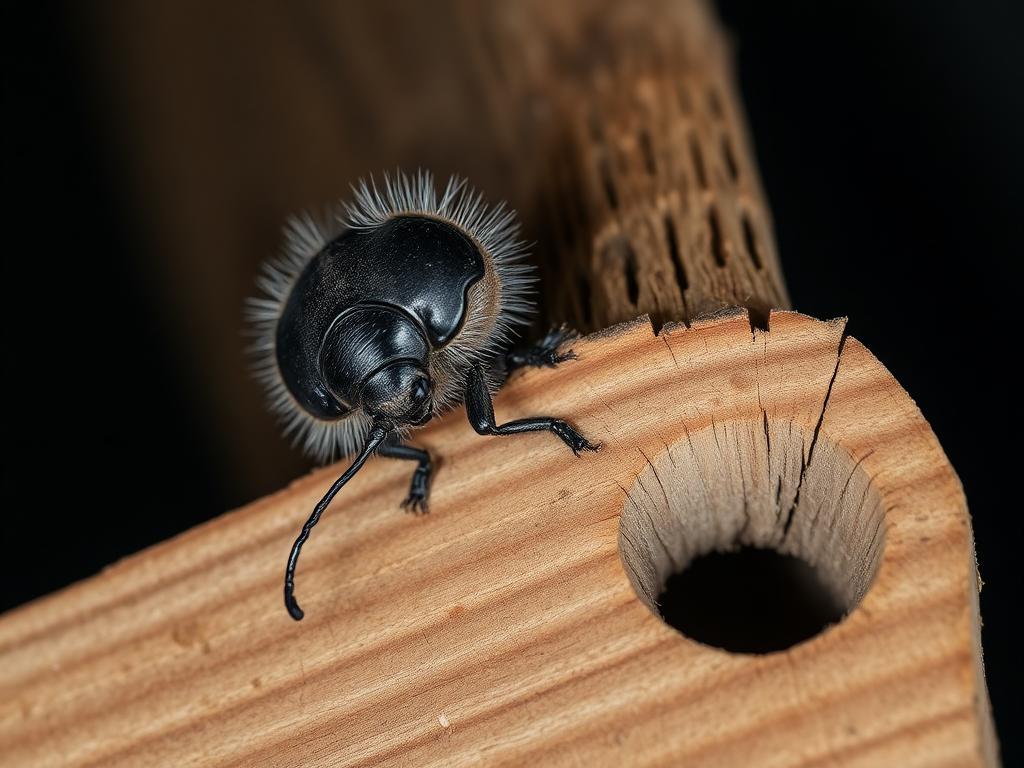
Old House Borer
Audible chewing in softwood framing, with oval exit holes.
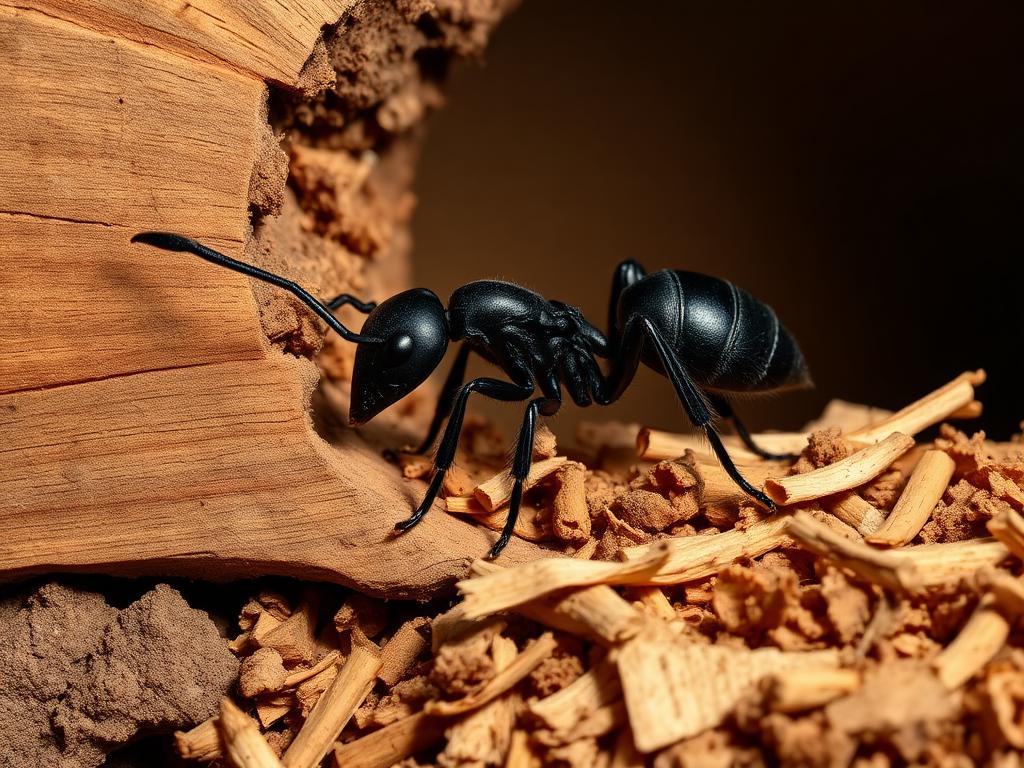
Carpenter Ant
Large black ants excavating galleries in wood that is already wet.
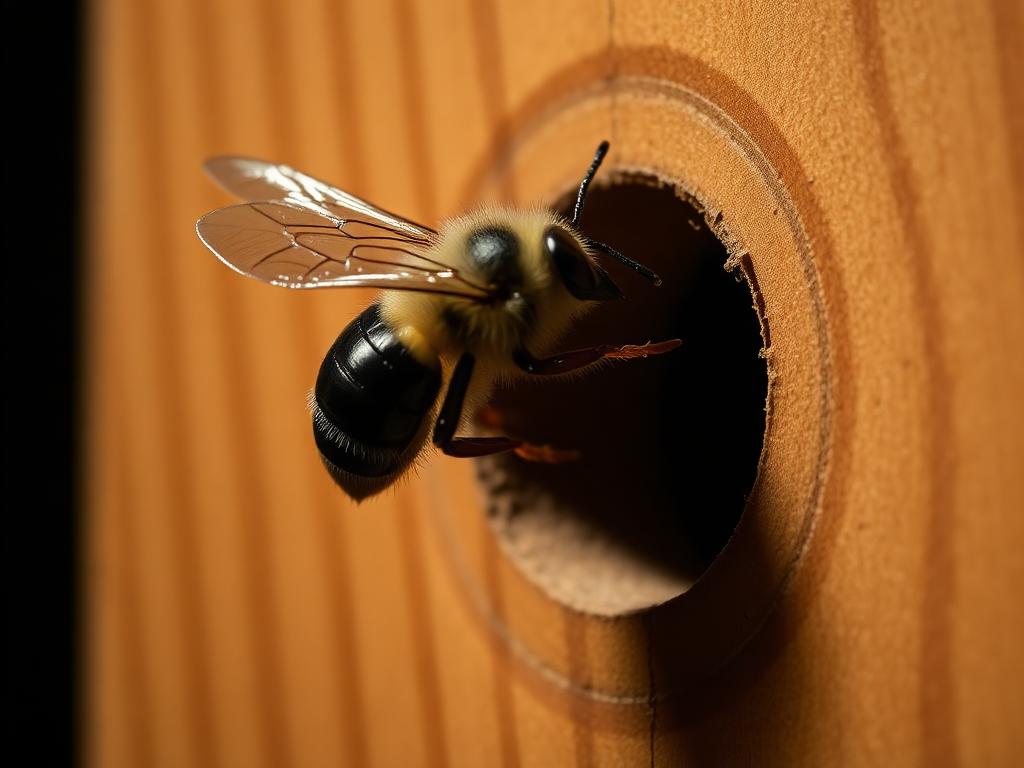
Carpenter Bee
Perfectly round half-inch holes in fascia, decks, and railings.
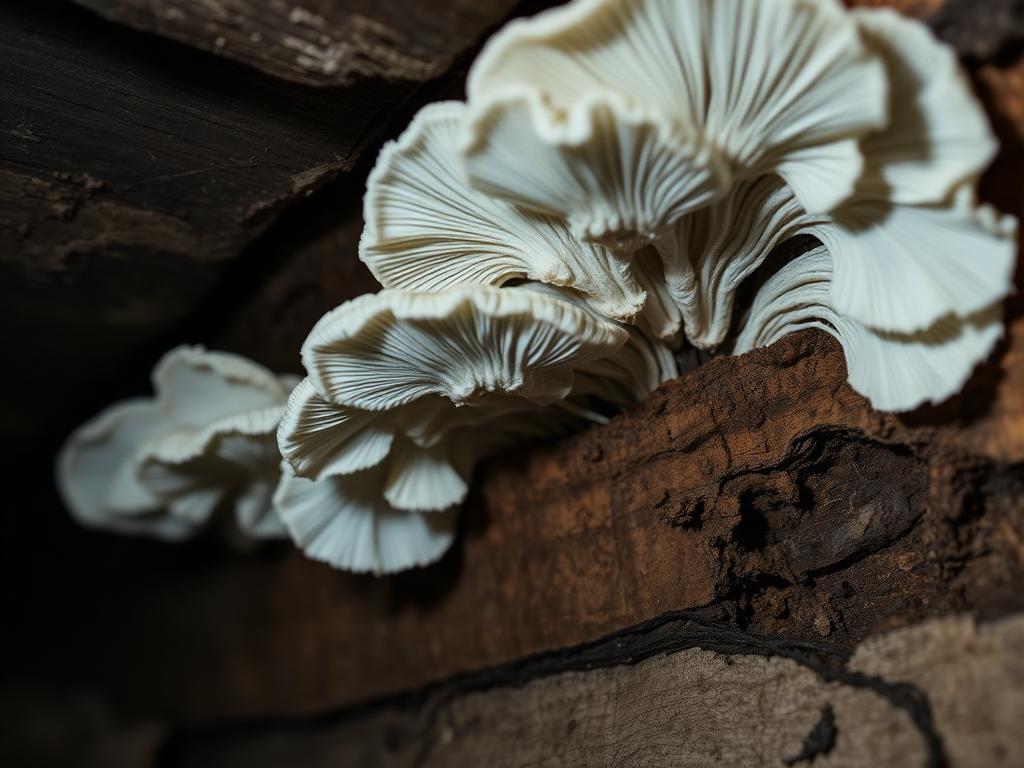
Wood-Decay Fungus
Not an insect, but the single biggest cause of structural loss under coastal houses.
Confirm the ID and get it handled
Send a photo and the location in the structure. A licensed technician will tell you the species and whether it needs a visit.
Request an inspection