
Occasional invaders
Asian Lady Beetle Control in Hampton Roads
Overwinters in wall voids by the hundreds and stains what it lands on.
Harmonia axyridis

- Adult size
- 1/4"
- Color
- Orange to red, variable spots
- Group size
- Hundreds to thousands
- Lifespan
- 2 – 3 years
The Asian lady beetle looks harmless, it's a beetle, not a bug most people fear, but it behaves exactly like the brown marmorated stink bug it shares walls with every fall: it doesn't feed on or damage the structure, it simply uses it as a winter shelter, entering by the hundreds through the same gaps around soffits, siding laps, and window trim. The difference homeowners notice quickly is the yellow fluid it releases when disturbed, which stains fabric, walls, and window sills and carries a sharp, unpleasant odor.
In Hampton Roads, populations build from field crops and orchards, then stage on sun-facing walls in October looking for cracks to squeeze through. Newport News, Hampton, and Poquoson homes near open fields or treelines often see this concentrated on one or two walls of the house rather than spread evenly, which is a useful clue during inspection. Once inside a wall void or attic, beetles can remain dormant for months before a warm spell triggers movement into living space.
Because the beetle is attracted to light and warmth, indoor emergence tends to cluster around windows, skylights, and light fixtures rather than randomly across a room. Guardex targets this pest the same way as its fall-migrating relatives: intercept the staging population outside before it commits to entering, then seal the gaps that let this year's and next year's beetles in.
How to identify asian lady beetle
Orange to red beetle with variable spotting and an M-shaped marking behind the head. Emits a yellow staining fluid when disturbed.
When asian lady beetle activity peaks
Mass flights to warm walls on the first mild days after a cold snap in October.
October — activity index 100 / 100 (annual peak)
Asian Lady Beetle biology and life cycle
Adults overwinter in dry, protected voids and emerge in spring to feed on aphids in fields and gardens, which is their original role as an imported biological control agent. Females lay eggs in clusters near aphid colonies through summer, and larvae develop through several stages before pupating and emerging as new adults by late summer. Hampton Roads generally sees one to two generations per year depending on temperature. As daylight shortens and temperatures drop in fall, adults shift from feeding behavior to shelter-seeking behavior, congregating on the sunniest exterior surfaces available before moving toward gaps. The same structure tends to be targeted year after year once beetles have successfully overwintered there, since surviving adults and the following year's population are drawn back to previously successful shelter sites.
When asian lady beetle pressure peaks in Hampton Roads
Activity is centered on field and garden vegetation from spring through late summer, when the beetles are doing the aphid-eating that made them useful for agriculture in the first place. Staging on exterior walls begins in late September and peaks through October as temperatures start dropping at night, concentrated on the sunniest wall of the house during the two or three hours of strongest afternoon light. Indoor sightings are sparse through the coldest months, then increase again on warm days from late winter into early spring when dormant beetles wake and move toward windows and light fixtures, sometimes overlapping with the stink bug's own spring emergence in the same structure.
Asian Lady Beetle threat profile
Structural risk
5/100
Damage to framing, floors and finishes
Health risk
20/100
Bites, stings, allergens and pathogens
Spread rate
60/100
How fast it multiplies once established
DIY difficulty
60/100
How reliably store products fail on it
Does yours match? Interactive ID checklist
0 of 4 traits matched
Tick everything you can actually see.
Why it is in your house
Field and orchard populations move to sun-facing walls in autumn and enter through the same gaps as stink bugs.
Field notes: asian lady beetle you did not know
- Fact 01
The M-shaped mark behind the head separates them from native ladybugs.
- Fact 02
They bleed a yellow, staining fluid from their leg joints when handled.
- Fact 03
They can trigger allergy symptoms in sensitive people during a heavy indoor flight.
Signs of asian lady beetle activity
- Beetles clustering densely on one particular wall, almost always the one with the most direct afternoon sun.
- Yellow staining on windowsills, curtains, or walls where disturbed beetles have released defensive fluid.
- A sharp, musty odor in rooms with heavy overwintering populations in the adjacent wall void.
- Beetles found dead in window tracks and along baseboards after a period of dormancy.
- Live beetles appearing near skylights, lamps, and sunny windows on unseasonably warm winter days.
- Accumulated beetle bodies found in attic insulation during unrelated inspections or renovation work.
What asian lady beetle activity costs you
Lady beetles don't sting, and bites are rare and minor, but the defensive fluid they release when crushed or handled can stain fabric, drywall, and painted trim, and some people develop mild allergic reactions to repeated exposure in heavily infested homes. The larger issue is scale: a wall void that successfully hosted an overwintering cluster one year tends to draw a larger population the next, since beetles use pheromone cues from prior clusters to find shelter sites. Homes in Newport News, Hampton, and Poquoson near open agricultural land or wooded edges can see this compound over several seasons if the entry points are never actually closed off, turning a minor fall nuisance into a recurring, worsening late-winter indoor problem.
What actually removes it
Fall exterior perimeter treatment and exclusion of soffit, window, and siding gaps.
Quarterly Pest ControlThe Guardex asian lady beetle treatment plan
01 · Exterior gap survey
A technician inspects the sunniest exterior walls first, since that's where the beetles stage, checking soffits, siding laps, and trim for the specific gaps they'll use to enter before cold weather sets in.
02 · Fall perimeter treatment
A residual application is applied to staging surfaces while beetles are still congregating outside, timed to the local migration window rather than a fixed calendar date.
03 · Entry point sealing
Identified gaps are closed with appropriate sealant or flagged for repair, cutting off both this fall's entry and the pheromone-driven return visits in future years.
04 · Spring emergence check
A follow-up visit addresses beetles found active near windows and light fixtures as they emerge from wall voids, using targeted treatment rather than a full re-application.
Why store-bought products usually fail
Vacuuming beetles off windowsills is a fine short-term fix but does nothing to address the population still dormant in the wall void, and repeated vacuuming through a warm winter can become a weekly chore. Retail sprays applied to interior surfaces only reach the beetles already visible, not the bulk of the population still sealed behind drywall. Over-the-counter foggers can't penetrate wall cavities and attic spaces effectively, and homeowners often end up treating the same visible windowsills repeatedly without ever addressing the exterior staging behavior that brought the beetles in to begin with. Sealing gaps without exterior treatment first can also trap an active population inside rather than keeping it out.
Prevention checklist
- Caulk gaps at siding laps and trim boards on the sunniest exterior walls before October.
- Install or repair screens on attic gable vents and soffit vents.
- Replace cracked or missing weatherstripping on exterior doors and garage door seals.
- Trim vegetation away from walls that receive the most direct fall sun exposure.
- Avoid leaving exterior lights on during peak fall staging evenings.
- Vacuum rather than crush indoor beetles to avoid staining and odor.
Where asian lady beetle pressure runs highest
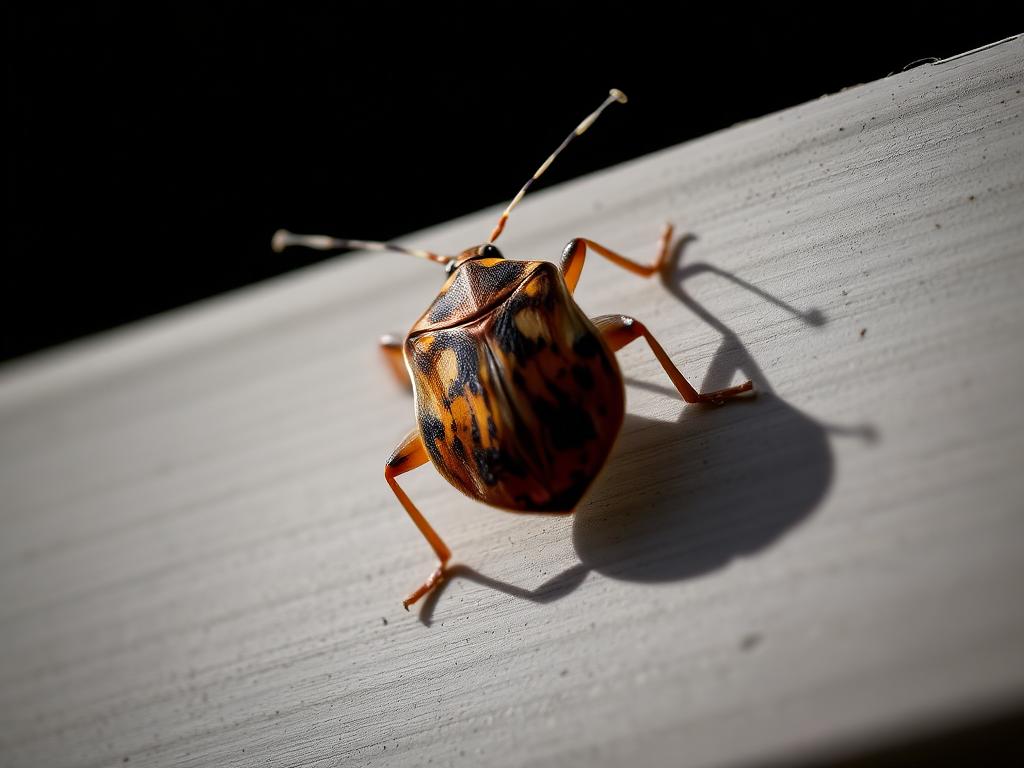
Commonly mistaken for asian lady beetle
Asian Lady Beetle questions we get asked
- Will lady beetles hurt my house or belongings?
- They won't damage wood or wiring, but their defensive fluid can permanently stain fabric, curtains, and painted drywall. The main cost is nuisance and cleanup, not structural repair.
- Why does my house get so many more than the house next door?
- Wall orientation and prior colonization history both matter. Beetles are drawn to the sunniest wall and to pheromone traces left by previous overwintering clusters, so a home that's hosted them before tends to draw more the next fall.
- Is this common in Newport News and Hampton, or only near farms?
- It shows up throughout Newport News, Hampton, and Poquoson, with the heaviest concentrations near open fields, orchards, and wooded treelines. Homes farther from agricultural land see smaller but still noticeable clusters.
- What does treatment cost and how long does it take to see results?
- Cost depends on the size of the exterior perimeter and number of gaps found during inspection; most properties see a sharp drop in wall-clustering activity within days of the fall application.
- Can I just seal every gap myself and skip treatment?
- Sealing helps but rarely catches every gap, especially at rooflines and siding laps, and it does nothing about beetles already staged on the wall. Combining sealing with timed exterior treatment is more reliable than either alone.
Services that handle asian lady beetle problems
- Cockroach ControlGerman roach elimination indoors, American and oriental roach control at the source.
- Ant ControlSpecies-specific baiting for odorous house, Argentine, pavement, and fire ants.
- Rodent Control & ExclusionTrapping paired with physical exclusion so they cannot come back.
- Mosquito & Tick ControlYard programs targeting harborage and standing-water breeding sites.
- Bed Bug TreatmentInspection-driven treatment programs with confirmation follow-ups.
- Wildlife ExclusionSquirrel, raccoon, opossum, and bat removal with permanent structural sealing.
Further reading
- If you are seeing camel crickets indoors, the crawl space is the storyCamel crickets are an indicator species. Killing the ones you see does nothing about the condition that produced them.
- German roaches versus American roaches: two completely different problemsOne is an indoor harborage and sanitation issue. The other is usually a crawl space, sewer, or moisture defect. Treating them the same wastes money.
Others in this category
Confirm the ID and get it handled
Send a photo and the location in the structure. A licensed technician will tell you the species and whether it needs a visit.
Request an inspection