
Termites & WDI
Why Hampton Roads homes get termites faster than the rest of Virginia
A shallow water table, sandy coastal plain soil, and a housing stock built on vented crawl spaces put this region in one of the heaviest termite pressure zones on the East Coast.
- 6 min read
- why hampton roads homes get termites faster than the rest of virginia Hampton Roads
- why hampton roads homes get termites faster than the rest of virginia Virginia Beach VA
- Guardex why hampton roads homes get termites faster than the rest of virginia
11
Cities served
2026
Founded
Same week
Response
NPMA-33
Reports
The mechanism
The soil never really dries out
Eastern subterranean termites do not survive in dry conditions. They need constant soil moisture, which is why colony pressure tracks the water table more closely than it tracks temperature. Across South Hampton Roads the water table sits within a few feet of grade, and in the neighborhoods built on filled marsh it is closer than that. A colony foraging under a Norfolk or Portsmouth yard has an uninterrupted moisture supply twelve months a year.
Sandy coastal plain soils make the problem worse in a way that is not obvious. Sand drains fast at the surface but transmits foraging galleries easily, so a colony can extend hundreds of feet from its center without ever hitting a hard barrier. That is why treating only the section of foundation where you found tubes rarely holds.
Vented crawl spaces are an invitation
The dominant foundation type through Kempsville, Aragona, older Hampton, and most of the Peninsula is the vented crawl space. The original theory was that outside air would dry the space out. In a climate with humid summer air, the opposite happens: warm moist air enters the vents, contacts cooler subfloor framing, and condenses on the wood.
That condensation raises wood moisture content into the range where decay fungus grows and where termites can work without needing to maintain as much of their own moisture. Once wood moisture content passes roughly 20 percent, you have both a fungal problem and a much more attractive termite target.
- Standing water or damp soil under the vapor barrier
- Rusted duct straps and condensation on ductwork
- Fungal growth on joists — white, grey, or brown patches
- Insulation sagging or falling out of the joist bays
Formosan termites are here, and they behave differently
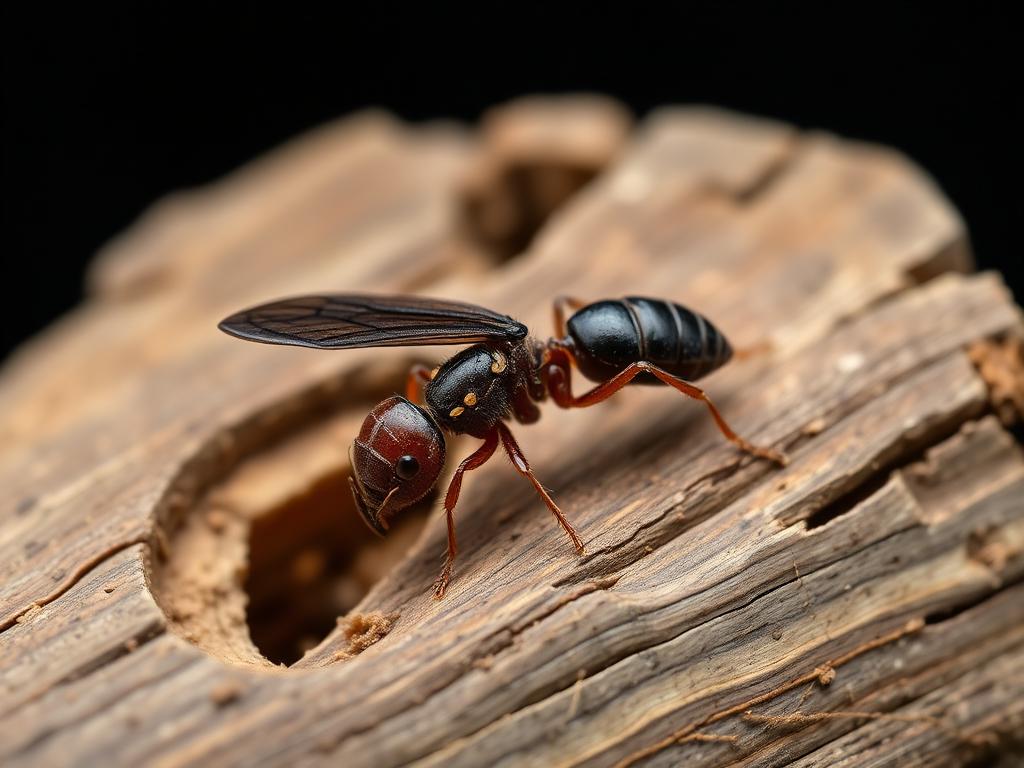
Formosan subterranean termites have confirmed presence in the region, concentrated in and around the port areas. Colonies are far larger than native eastern subterranean colonies and can build aerial carton nests that survive without soil contact. That means a Formosan infestation can persist in a wall void even after a soil barrier is installed.
This is the single most important reason species identification is not a formality. The treatment plan for a Formosan colony includes locating and destroying the carton nest, not just establishing a soil barrier.
What actually reduces your risk
Correct the moisture first, then defend the perimeter. A continuous liquid termiticide barrier or a monitored bait system is the active defense; the moisture work is what keeps the structure from being a target in the first place.
- Encapsulate or at minimum re-lay a sealed vapor barrier
- Correct grade so soil sits below siding and slopes away from the foundation
- Remove wood-to-ground contact — form boards, buried scrap, deck posts on soil
- Fix downspout discharge so water leaves the foundation, not sits at it
- Keep a continuous, warranted termite barrier and renew the inspection annually
Services referenced
Pests referenced
Key takeaways
The dominant foundation type through Kempsville, Aragona, older Hampton, and most of the Peninsula is the vented crawl space. The original theory was that outside air would dry the space out. In a climate with humid summer air, the opposite happens: warm moist air enters the vents, contacts cooler subfloor framing, and condenses on the wood.
From the pest library
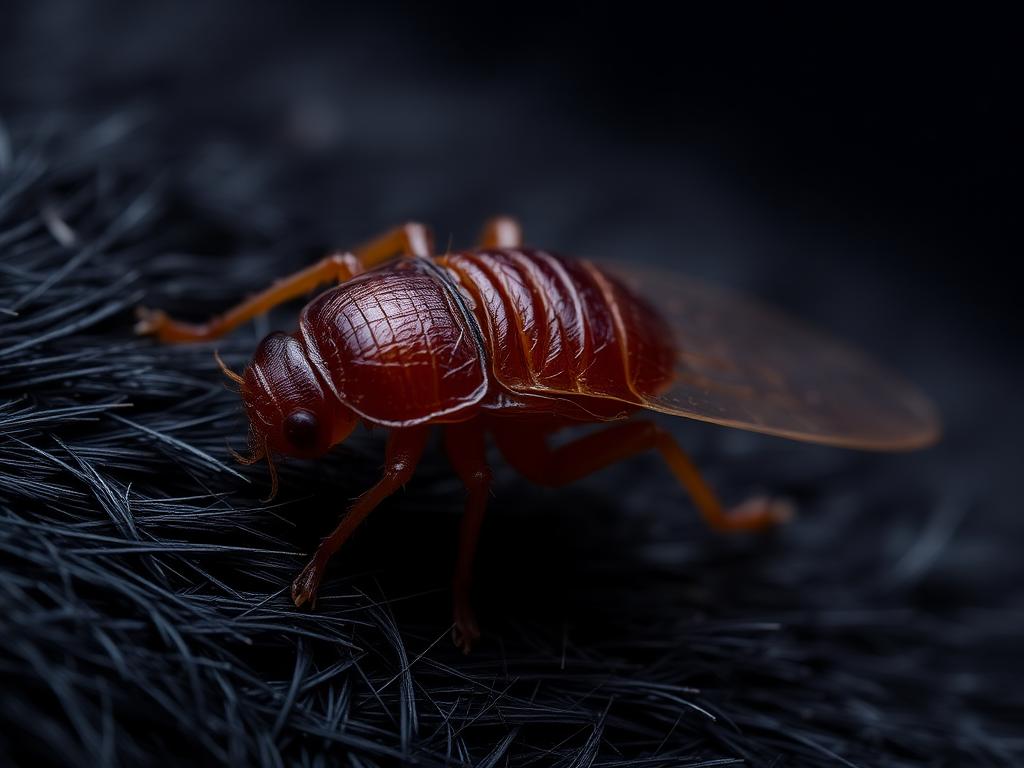
Cat Flea
Ctenocephalides felis
Identification
Tiny dark jumping insect; flea dirt in pet bedding turns red-brown when wetted. Bites concentrate around ankles.
Why it is here
Mild winters and crawl space and yard harborage for wildlife hosts allow flea populations to persist far later into the year than in colder climates.
Activity by month
Coverage
This applies across the whole region
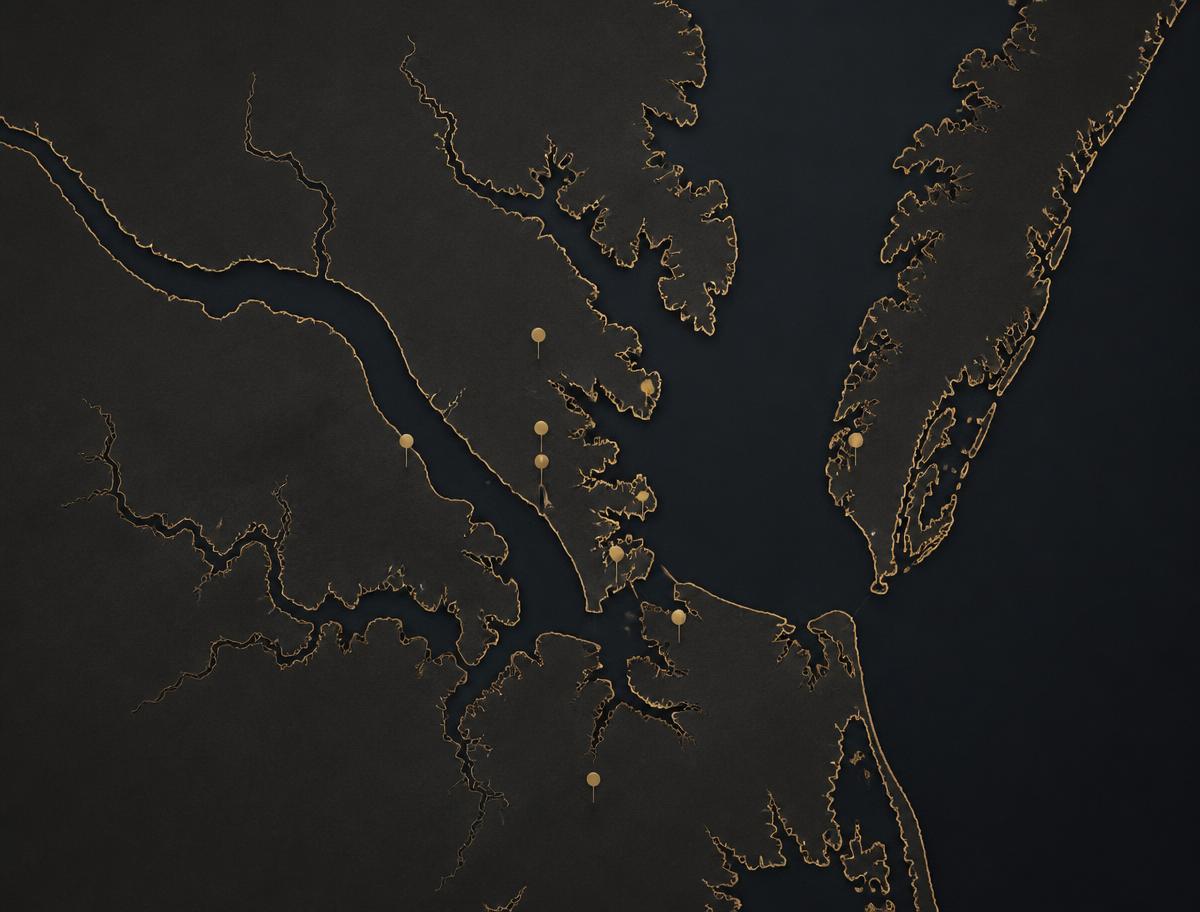
Guardex runs routes across Hampton Roads, Virginia — from the Oceanfront and Sandbridge through Norfolk, Portsmouth, and Chesapeake, up the Peninsula to Newport News, Hampton, and Poquoson, and west into Smithfield, Carrollton, and Isle of Wight County.
- Virginia Beach
- Chesapeake
- Norfolk
- Portsmouth
- Suffolk
- Newport News
- Hampton
- Poquoson
- Smithfield
- Isle of Wight County
- Carrollton
Contact
- Email: ops1@guardexva.com
- Hours: Monday–Saturday, 7:00 a.m. – 7:00 p.m.
- Region: Hampton Roads, Virginia
- Reports: NPMA-33 / WDI on request
More in Termites & WDI
Keep reading
- Crawl space encapsulation, explained honestlyWhat encapsulation actually is, when it is worth the money in coastal Virginia, and when a vapor barrier and d…
- The NPMA-33: what agents and buyers actually need to knowThe wood-destroying insect report is a closing document with real deadlines. Here is what it covers, what it d…
- If you are seeing camel crickets indoors, the crawl space is the storyCamel crickets are an indicator species. Killing the ones you see does nothing about the condition that produc…
- German roaches versus American roaches: two completely different problemsOne is an indoor harborage and sanitation issue. The other is usually a crawl space, sewer, or moisture defect…
Cross-reference
Services and towns connected to Why Hampton Roads homes get termites faster than the rest of Virginia
Every Guardex program runs across the whole Hampton Roads, Virginia footprint. Pick the town, then the service — each combination has its own page with local pest pressure, construction notes, and treatment detail.
Build your page
Services
- Termite TreatmentLiquid barrier and baiting programs for active subterranean termite infestations.
- Termite InspectionFull structural inspection for active and previous wood-destroying insect activity.
- Crawl Space EncapsulationSealed liner, conditioned air, and controlled humidity under the whole house.
Towns and cities
- Pest control in Virginia Beach, VA
- Pest control in Chesapeake, VA
- Pest control in Norfolk, VA
- Pest control in Portsmouth, VA
- Pest control in Suffolk, VA
- Pest control in Newport News, VA
- Pest control in Hampton, VA
- Pest control in Poquoson, VA
- Pest control in Smithfield, VA
- Pest control in Isle of Wight County, VA
- Pest control in Carrollton, VA
Related searches
why hampton roads homes get termites faster than the rest of virginia Hampton Roads · why hampton roads homes get termites faster than the rest of virginia Virginia Beach VA · Guardex why hampton roads homes get termites faster than the rest of virginia · why hampton roads homes get termites faster than the rest of virginia coastal Virginia
- Why Hampton Roads homes get termites faster than the rest of Virginia near me
- Why Hampton Roads homes get termites faster than the rest of Virginia cost Hampton Roads
- best why hampton roads homes get termites faster than the rest of virginia company Hampton Roads
- licensed why hampton roads homes get termites faster than the rest of virginia technician Hampton Roads
- same week why hampton roads homes get termites faster than the rest of virginia Hampton Roads
- Why Hampton Roads homes get termites faster than the rest of Virginia quote Hampton Roads
- Why Hampton Roads homes get termites faster than the rest of Virginia inspection Hampton Roads
- Why Hampton Roads homes get termites faster than the rest of Virginia warranty Virginia
- crawl space why hampton roads homes get termites faster than the rest of virginia Hampton Roads
- residential why hampton roads homes get termites faster than the rest of virginia Hampton Roads
- commercial why hampton roads homes get termites faster than the rest of virginia Hampton Roads
- Why Hampton Roads homes get termites faster than the rest of Virginia reviews Hampton Roads
- Why Hampton Roads homes get termites faster than the rest of Virginia Virginia Beach VA
- Why Hampton Roads homes get termites faster than the rest of Virginia Chesapeake VA
- Why Hampton Roads homes get termites faster than the rest of Virginia Norfolk VA
- Why Hampton Roads homes get termites faster than the rest of Virginia Portsmouth VA
- Why Hampton Roads homes get termites faster than the rest of Virginia Suffolk VA
- Why Hampton Roads homes get termites faster than the rest of Virginia Newport News VA
- Why Hampton Roads homes get termites faster than the rest of Virginia Hampton VA
- Why Hampton Roads homes get termites faster than the rest of Virginia Poquoson VA
Want this looked at in person?
Inspections come with photos, moisture readings, and a written plan you can price out.
Request an inspection