
Biting & stinging
Salt Marsh Mosquito Control in Hampton Roads
Flies in from tidal marsh in huge broods after high tides and rain.
Aedes sollicitans
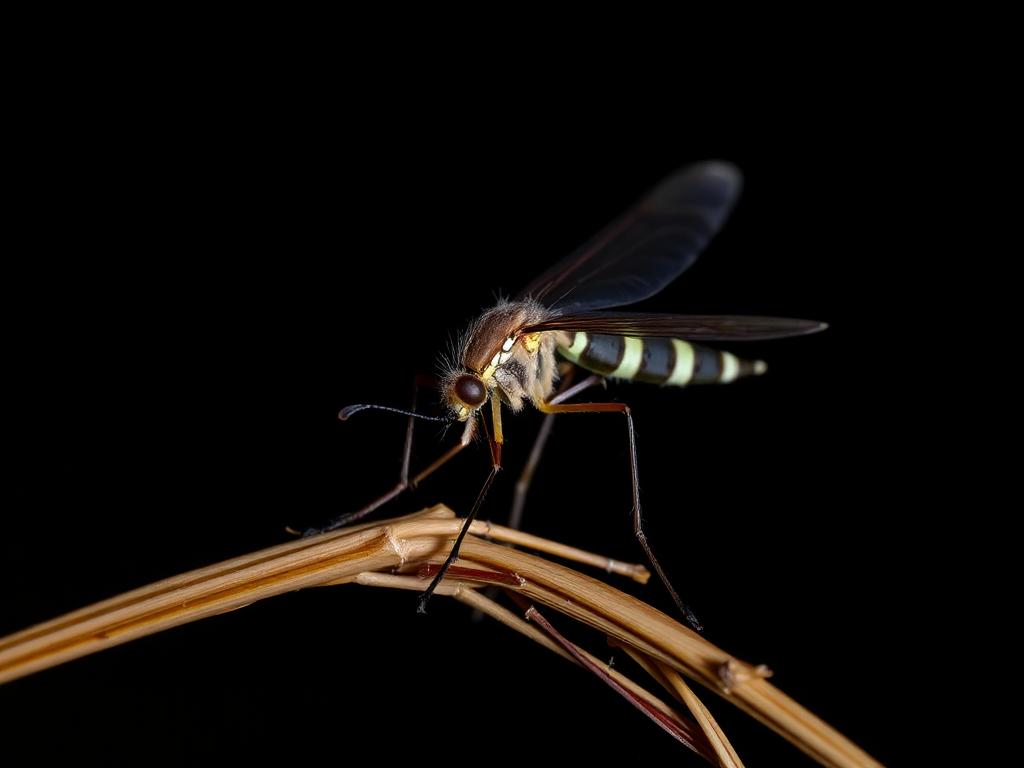
- Adult size
- 1/4" – 3/8"
- Color
- Brown with banded legs
- Group size
- Broods of millions
- Lifespan
- 3 – 6 weeks
The salt marsh mosquito is a different animal from the tiger mosquito that breeds in a backyard bucket, and it requires a different response. This species lays eggs on the exposed mud of tidal marsh and brackish ditches, and those eggs can sit dormant through dry weeks waiting for the next flooding tide or heavy rain to submerge them. When that flood comes, tens of thousands of eggs across an acre of marsh can hatch within hours, producing an enormous, synchronized brood of biting adults ten days to two weeks later.
This is the mosquito behind the sudden, whole-neighborhood swarms that hit properties backing up to the Back Bay and Northwest River wetlands in Virginia Beach and Chesapeake, and the ditches and low marsh fringes around Suffolk and Isle of Wight County. Unlike a container breeder, the source is often not on the homeowner's property at all — it is hundreds or thousands of feet away in marsh the homeowner has no ability to drain or treat, which is why yard-only mosquito control frequently underperforms against this species specifically.
Salt marsh mosquitoes are also strong, persistent fliers, capable of moving miles from their hatching site in search of a blood meal, which is why properties well inland from visible water can still get hit hard after a tidal flooding event or hurricane rain. Aggressive, painful daytime and evening biting is typical, and populations can spike within days of a lunar high tide even when the weather has been dry.
How to identify salt marsh mosquito
Medium brown mosquito with banded legs and a pale stripe on the proboscis. Arrives in sudden large numbers rather than building gradually.
When salt marsh mosquito activity peaks
Broods explode a few days after a spring tide floods the marsh.
July — activity index 95 / 100 (annual peak)
Salt Marsh Mosquito biology and life cycle
Eggs are deposited on damp marsh soil above the normal waterline and can remain viable and dormant for months, resistant to drying, until a spring tide, storm surge, or heavy rainfall submerges the site. Once flooded, larvae hatch within hours and develop rapidly, often completing the larval and pupal stages in five to eight days given the warm water temperatures typical of a Hampton Roads summer marsh. Because a single flooding event can submerge eggs across a wide marsh area simultaneously, emergence is synchronized rather than staggered, producing the characteristic sudden brood of adults rather than a slow buildup. Adult females are strong fliers capable of dispersing several miles inland, and repeated tidal or rain flooding through the season can generate multiple broods, each triggered independently by the next flood event rather than a fixed calendar interval.
When salt marsh mosquito pressure peaks in Hampton Roads
Pressure follows tidal and rainfall patterns more than a strict monthly calendar, but the heaviest broods typically occur from late spring through early fall, when marsh water stays warm enough for the five-to-eight-day larval cycle to complete quickly. Spring high tides and any tropical or heavy rain event can trigger a brood at almost any point in that window, and hurricane season adds the sharpest spikes: storm surge and rainfall flooding marsh acreage across Virginia Beach and Chesapeake can produce a biting adult population large enough to be noticed citywide within two weeks of landfall. Cooler weather in late October generally ends significant marsh breeding for the year.
Salt Marsh Mosquito threat profile
Structural risk
0/100
Damage to framing, floors and finishes
Health risk
65/100
Bites, stings, allergens and pathogens
Spread rate
80/100
How fast it multiplies once established
DIY difficulty
85/100
How reliably store products fail on it
Does yours match? Interactive ID checklist
0 of 4 traits matched
Tick everything you can actually see.
Why it is in your house
Tidal marsh across Poquoson, Hampton's Back River, the Lynnhaven, and the James River shoreline in Carrollton floods and drains repeatedly, producing enormous synchronized broods that disperse for miles.
Field notes: salt marsh mosquito you did not know
- Fact 01
It can fly twenty miles inland from the marsh where it hatched.
- Fact 02
A single flooded marsh acre can produce over a million mosquitoes in one brood.
- Fact 03
Populations track the tide chart more closely than the rain gauge.
Signs of salt marsh mosquito activity
- Sudden, heavy biting pressure appears within one to two weeks of a high tide, storm, or heavy rain, even with no new standing water visible on the property.
- Large numbers of mosquitoes are present well before dusk, unusual for many indoor-adjacent species.
- Properties near Back Bay, the Northwest River, or brackish ditches report worse pressure than properties further inland.
- Neighbors across a wide area, not just one yard, report the same sudden onset.
- Bites are aggressive and persistent even during brief outdoor exposure.
- Adult mosquitoes are found resting in large numbers on shaded exterior walls, porches, and dense shrubs near the property line.
What salt marsh mosquito activity costs you
Salt marsh mosquitoes are recognized vectors of eastern equine encephalitis virus and can also transmit West Nile virus; actual disease risk in a given season depends on virus circulation in local bird and mosquito populations and is monitored by public health authorities rather than something a pest control inspection can determine. For most households the dominant and certain risk is the biting itself — painful, persistent, and capable of turning a property unusable for days after a brood emerges regardless of disease status. Outdoor events, landscaping work, and children's play are the most commonly disrupted activities, and repeated bites can produce significant local swelling and secondary skin irritation from scratching.
What actually removes it
Barrier treatment of resting harborage on the property, since the breeding site is off-site marsh. Expect ongoing seasonal service rather than a one-time fix.
Mosquito & Tick ControlThe Guardex salt marsh mosquito treatment plan
01 · Marsh and ditch source assessment
Because the breeding source is frequently off the immediate property, the technician identifies nearby marsh fringe, brackish ditches, or low-lying flood-prone ground that is driving the pressure rather than only inspecting the yard itself.
02 · Larvicide application to accessible standing water
Where flooded marsh edge, ditch, or low ground is on or adjacent to the treated property, a larvicide labeled for brackish water is applied to stop the brood before it reaches biting adulthood.
03 · Barrier treatment of the property perimeter
Vegetation and structure surfaces around the home receive a residual barrier treatment targeting adults that have flown in from marsh sources beyond the property line, since the source itself often cannot be eliminated.
04 · Event-triggered retreatment
Because broods are triggered by tides and storms rather than a fixed schedule, retreatment is scheduled around known flooding events — spring tides, tropical systems, sustained heavy rain — rather than a flat calendar interval alone.
Why store-bought products usually fail
A homeowner has no practical way to treat marsh acreage that belongs to a neighboring property, a wetland preserve, or public land, yet that acreage is frequently the actual source of the brood hitting their yard. Retail mosquito yard sprays also degrade within days and were never intended to counter a synchronized emergence of thousands of adults arriving from off-property at once. Effective response requires identifying the flooding source, applying larvicide where legally and physically accessible, and timing barrier treatment around tidal and storm cycles — work that depends on licensed access to specific larvicide products and an understanding of local marsh hydrology that general pest control knowledge does not cover.
Prevention checklist
- Keep gutters, low spots, and drainage ditches on the property clear so they do not add to marsh-driven flooding pressure.
- Trim and thin shrubs and hedges along the property line where adults rest during the day.
- Schedule barrier treatment ahead of known spring high tides or forecast tropical systems rather than only after biting starts.
- Use screened porches and door sweeps to reduce indoor entry during brood events.
- Avoid outdoor evening activity for the first week or two after major flooding in nearby marsh or ditch areas.
- Report chronic ditch or drainage flooding to the local public works department, since standing water on public right-of-way may be their responsibility to correct.
Where salt marsh mosquito pressure runs highest
Commonly mistaken for salt marsh mosquito
Salt Marsh Mosquito questions we get asked
- Why did mosquitoes suddenly show up when it hasn't rained here?
- A lunar high tide or storm surge can flood dormant eggs in marsh acreage some distance away, producing a synchronized brood that arrives on your property as strong-flying adults within a week or two, even without local rainfall.
- Is my property in an area affected by this?
- Properties in Virginia Beach and Chesapeake near Back Bay, the Northwest River, or brackish ditch systems see the heaviest pressure, but strong flight range means homes in Suffolk and Isle of Wight County near marsh fringe are affected too.
- Can you actually treat the marsh itself?
- Where the flooded source is accessible and legally treatable, yes, larvicide can be applied there; where it is protected wetland or distant public land, treatment focuses on a barrier around your property to intercept adults instead.
- How much does mosquito control cost and how long does a program run?
- Cost depends on property size and whether treatment is a single event response or a recurring seasonal program; most Hampton Roads properties run a seasonal schedule from late spring through early fall with retreatment timed around known flooding events.
- Will one treatment fix it for the whole summer?
- No. Because broods are triggered by unpredictable tide and storm events rather than a fixed cycle, ongoing seasonal service performs far better than a single visit against this species.
Salt Marsh Mosquito control by city and county
- Salt Marsh Mosquito control in Virginia Beach, VA
- Salt Marsh Mosquito control in Chesapeake, VA
- Salt Marsh Mosquito control in Norfolk, VA
- Salt Marsh Mosquito control in Portsmouth, VA
- Salt Marsh Mosquito control in Suffolk, VA
- Salt Marsh Mosquito control in Newport News, VA
- Salt Marsh Mosquito control in Hampton, VA
- Salt Marsh Mosquito control in Poquoson, VA
- Salt Marsh Mosquito control in Smithfield, VA
- Salt Marsh Mosquito control in Isle of Wight County, VA
- Salt Marsh Mosquito control in Carrollton, VA
Services that handle salt marsh mosquito problems
- Quarterly Pest ControlRecurring exterior-focused program covering the region's standard pest set.
- Cockroach ControlGerman roach elimination indoors, American and oriental roach control at the source.
- Ant ControlSpecies-specific baiting for odorous house, Argentine, pavement, and fire ants.
- Rodent Control & ExclusionTrapping paired with physical exclusion so they cannot come back.
- Bed Bug TreatmentInspection-driven treatment programs with confirmation follow-ups.
- Wildlife ExclusionSquirrel, raccoon, opossum, and bat removal with permanent structural sealing.
Others in this category
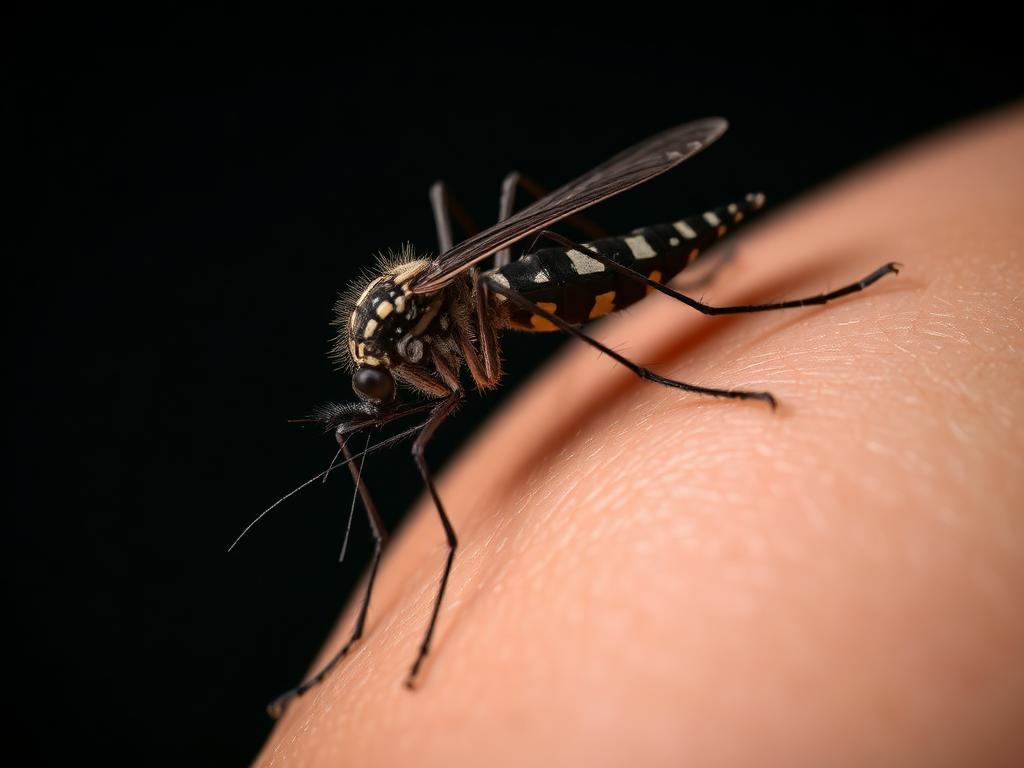
Asian Tiger Mosquito
Aggressive daytime biter that breeds in containers, not marsh.
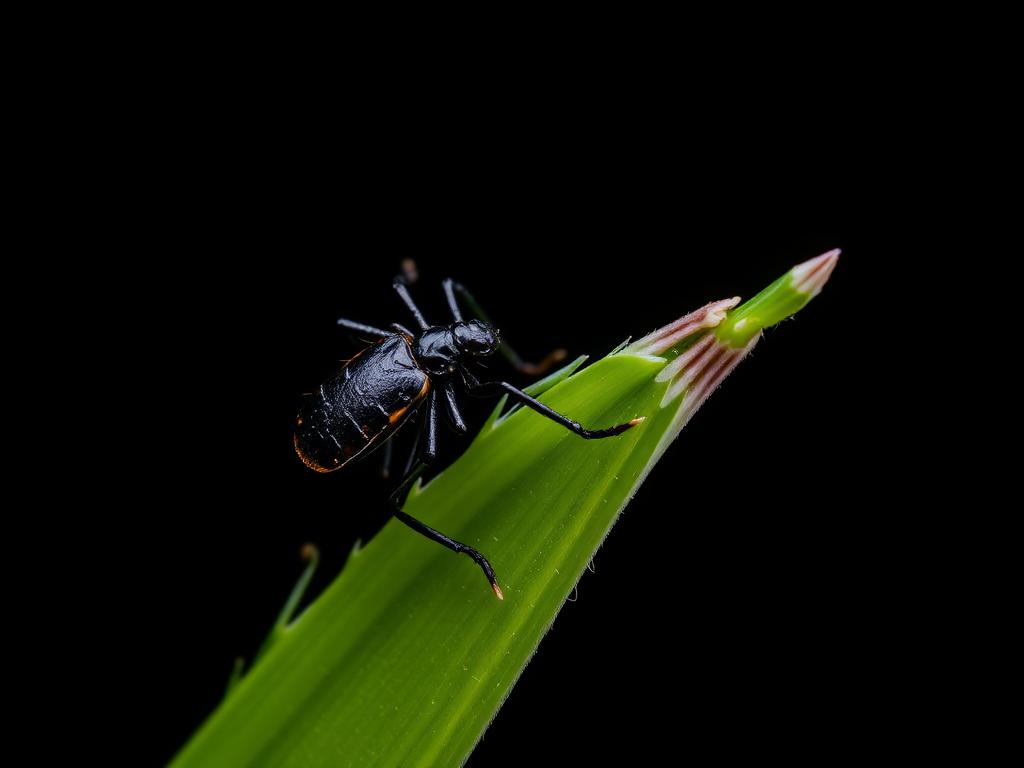
Blacklegged (Deer) Tick
The Lyme disease vector, active in leaf litter and wooded edges.
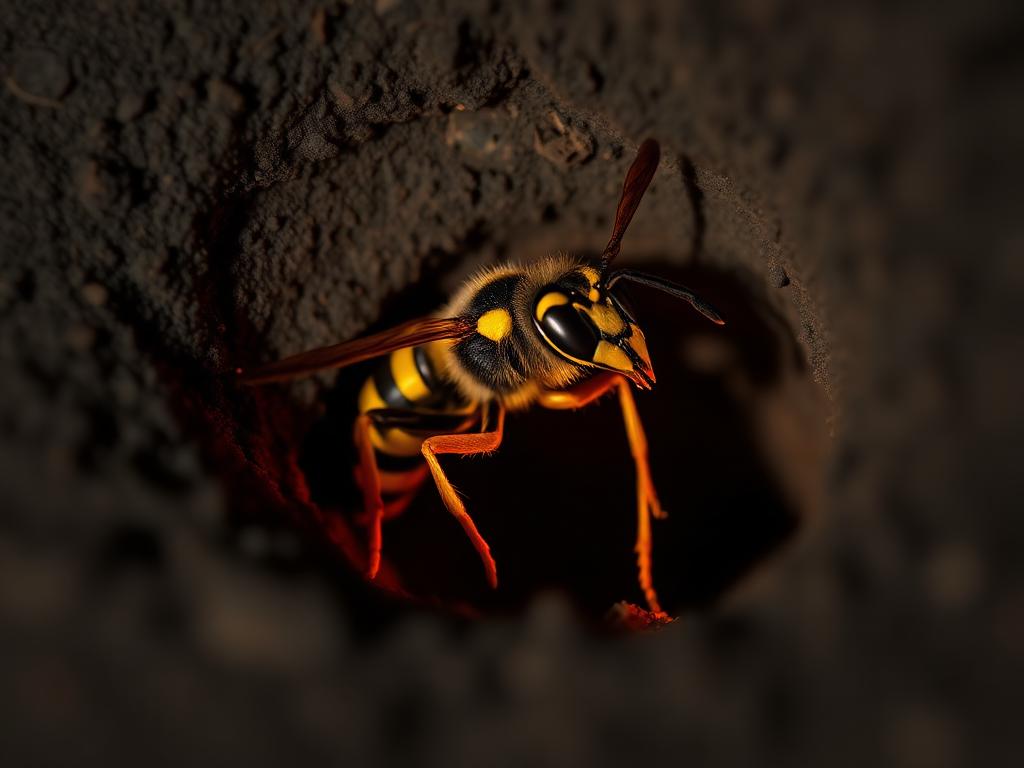
Yellowjacket
Ground and void nests that turn aggressive in late summer.
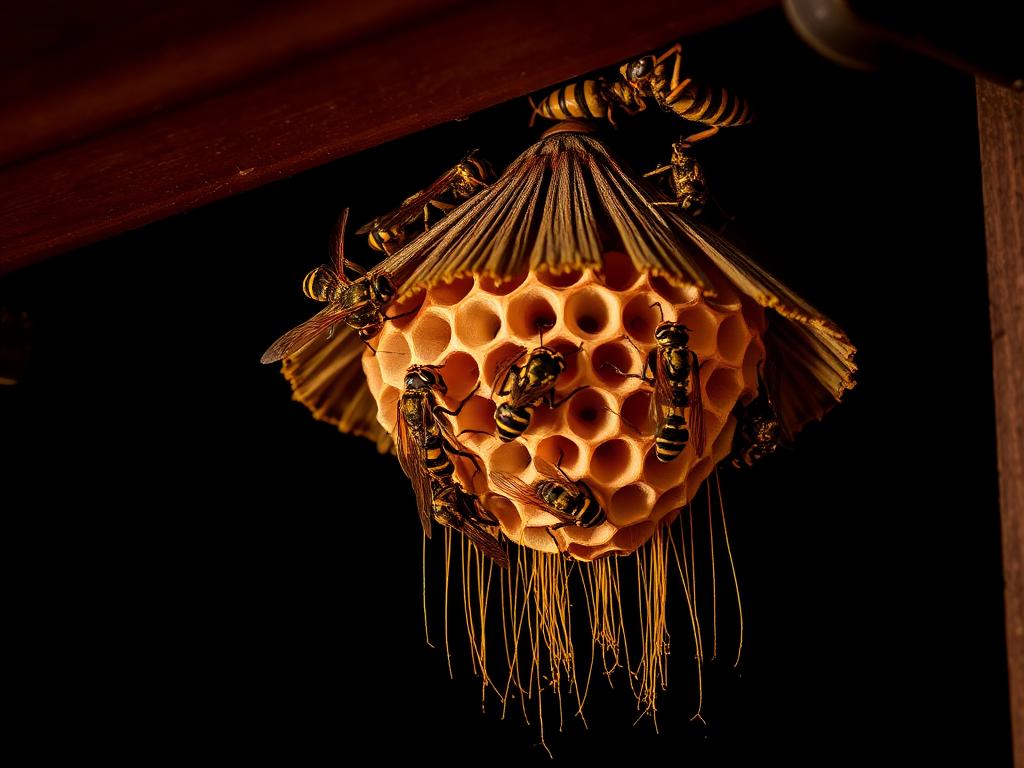
Paper Wasp
Open umbrella nests under eaves, rails, and grill covers.
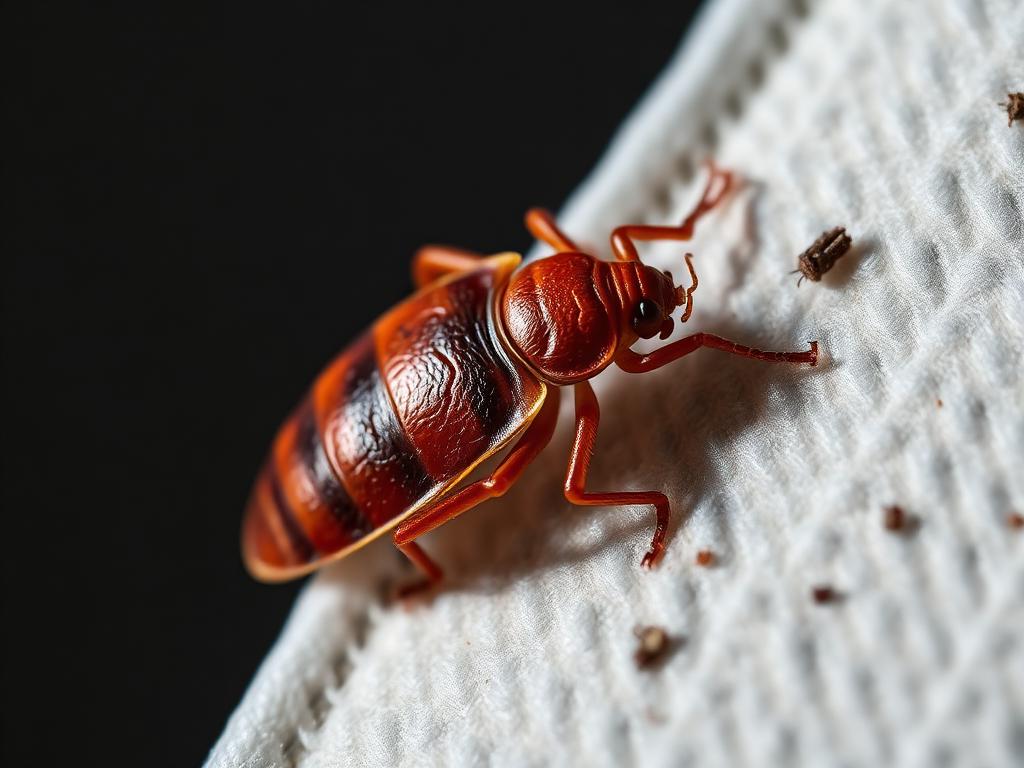
Bed Bug
Introduced by travel and used furniture — never by sanitation.
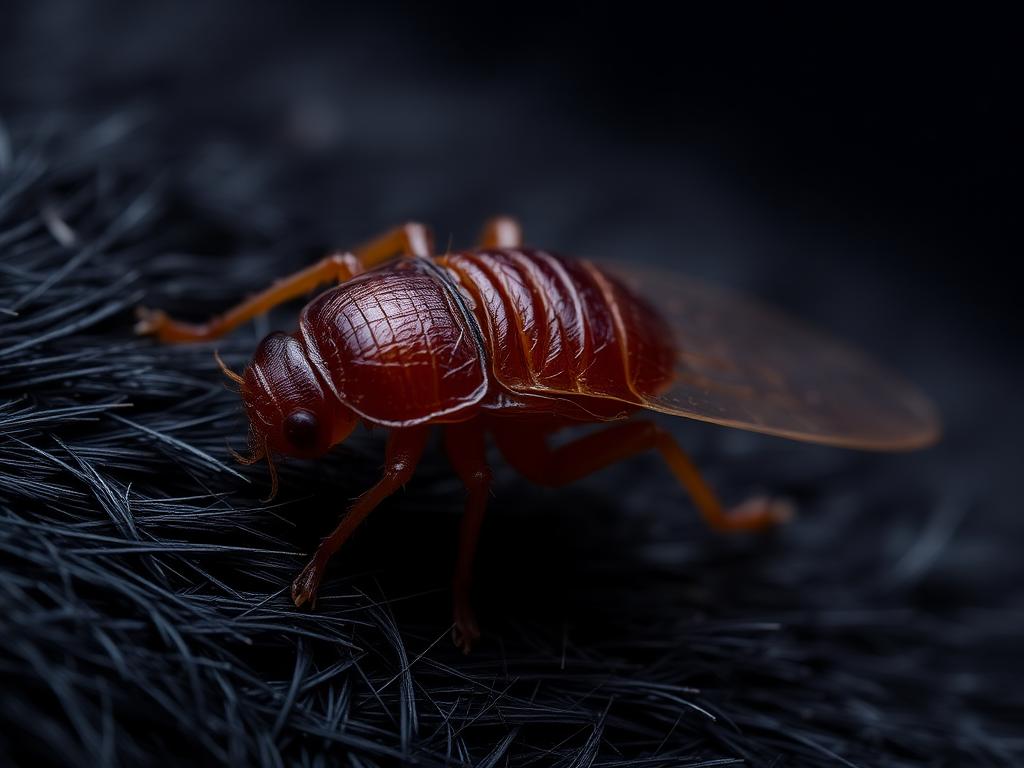
Cat Flea
Most of the population is eggs and larvae in carpet, not adults on the pet.
Confirm the ID and get it handled
Send a photo and the location in the structure. A licensed technician will tell you the species and whether it needs a visit.
Request an inspection