
Biting & stinging
Yellowjacket Control in Hampton Roads
Ground and void nests that turn aggressive in late summer.
Vespula spp.
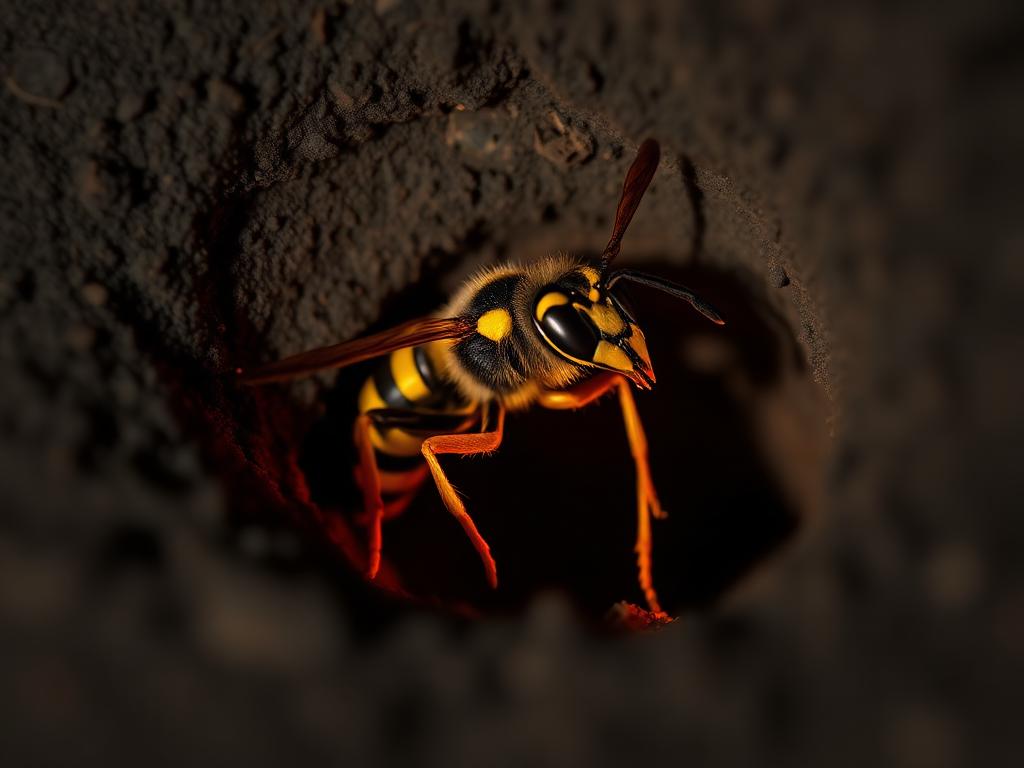
- Adult size
- 1/2"
- Color
- Bright yellow and black bands
- Group size
- 1,000 – 5,000 by fall
- Lifespan
- Colony dies each winter
Yellowjackets are the aggressive stinging insect behind most late-summer emergency calls in Hampton Roads, and the reason is colony size, not individual temperament. A mature colony by August or September can hold several thousand workers, most of them concentrated in an underground nest or a void inside a wall, meter box, or shed, and a lawnmower vibration, a footstep near the entrance, or simply mowing too close is enough to trigger a mass defensive response with dozens of stings possible in seconds.
Ground nests are common across the sandy, well-drained soil typical of Virginia Beach and Chesapeake yards, often with an entrance no larger than a coin hidden in mulch, at the base of a shrub, or along a foundation edge. Void nests inside a wall or crawl space access point are less visible until the colony is large enough that workers are constantly streaming in and out of a small gap, by which point the population is already substantial.
Unlike carpenter bees or paper wasps, yellowjackets are also aggressive scavengers around food and trash, which means late-summer cookouts, dumpsters, and open garbage cans in Norfolk, Portsmouth, and Newport News neighborhoods regularly draw foraging workers well away from the nest itself, and those foraging workers sting readily if swatted at or trapped against skin or clothing.
How to identify yellowjacket
Bright yellow-and-black wasp, smaller and stockier than a paper wasp. Nests in ground burrows, wall voids, and under siding, with heavy traffic at a single entry point.
When yellowjacket activity peaks
Most dangerous in late August and September when colonies peak and food shifts to sugar.
September — activity index 100 / 100 (annual peak)
Yellowjacket biology and life cycle
A mated queen overwinters alone in leaf litter, under bark, or in a protected structural void, and emerges in spring to build a small paper nest and raise the first handful of worker offspring by herself. Once that first worker generation matures, they take over foraging and nest expansion while the queen focuses solely on egg-laying, and colony growth accelerates rapidly through summer as each new generation adds workers. By late summer the colony reaches its peak size, often several thousand workers in an established ground or void nest, and switches to producing new queens and males for that year's mating flight. In the fall the entire colony, including the founding queen, dies off except for the newly mated queens, which disperse to find winter shelter and restart the cycle the following spring — meaning a nest is never reused year to year, though the same conducive site often attracts a new colony.
When yellowjacket pressure peaks in Hampton Roads
Colonies are small and easy to overlook in spring and early summer, then expand sharply through July and August as worker numbers climb toward the colony's peak. Late summer into fall, roughly August through October, is when Hampton Roads sees the heaviest sting incidents, both because colonies are at maximum size and because the colony's food needs shift toward sugars, drawing workers aggressively to picnics, trash cans, and fallen fruit. The first hard frost typically ends colony activity for the year, though the region's mild fall stretches can extend aggressive foraging later into October than in colder climates.
Yellowjacket threat profile
Structural risk
20/100
Damage to framing, floors and finishes
Health risk
85/100
Bites, stings, allergens and pathogens
Spread rate
45/100
How fast it multiplies once established
DIY difficulty
90/100
How reliably store products fail on it
Does yours match? Interactive ID checklist
0 of 4 traits matched
Tick everything you can actually see.
Why it is in your house
Colonies peak in late summer as food sources shift, which is when the stings and calls spike across the region.
Field notes: yellowjacket you did not know
- Fact 01
They sting repeatedly — the stinger is not barbed like a honeybee's.
- Fact 02
Most nests here are underground in an old rodent burrow or a wall void.
- Fact 03
Late summer sugar craving is why they crash cookouts in September, not June.
Signs of yellowjacket activity
- Repeated, unprovoked stings occur near a specific spot in the yard, often after mowing or yard work.
- A steady stream of insects is seen entering and exiting a small ground hole, mulch gap, or wall or meter box opening.
- Workers are aggressively drawn to soda cans, trash, and food at outdoor gatherings in late summer.
- A papery gray nest is visible in a void, attic, or shrub, distinct from the open umbrella shape of a paper wasp nest.
- Increased insect activity is noticed around a specific foundation vent, siding gap, or utility box.
- Pets show sudden distress or repeated paw or face swelling after yard time, suggesting an undiscovered ground nest.
What yellowjacket activity costs you
A yellowjacket sting is painful and, unlike a honeybee, the same worker can sting repeatedly, which is why disturbed ground or void nests can produce dozens of stings in a short encounter. For most people this means significant local pain and swelling, but for anyone with a known insect sting allergy, multiple stings from a disturbed colony carry a real risk of anaphylaxis and should be treated as a medical emergency, not a pest control matter, if breathing difficulty, widespread swelling, or dizziness follows. Because nests are often hidden underground or inside a structural void until the colony is already large, homeowners frequently discover a nest by disturbing it rather than by seeing it, which is the main reason DIY removal attempts result in stings.
What actually removes it
Direct treatment of the nest and entry point at low activity, followed by sealing the void so it is not recolonized.
Quarterly Pest ControlThe Guardex yellowjacket treatment plan
01 · Nest location and access assessment
The technician locates the nest entrance, whether ground-level, in a wall or meter box void, or in a shrub, and identifies the safest access and treatment approach before any product is applied.
02 · Direct nest treatment
A labeled dust or aerosol product is applied directly into the nest entrance during low-activity hours, targeting the colony at its source rather than only knocking down foraging workers.
03 · Void or structural follow-up
For nests inside a wall, soffit, or utility box, the technician checks for secondary entry points and may recommend sealing once the colony is confirmed eliminated, since an active colony should never be sealed in first.
04 · Post-treatment monitoring
A follow-up check confirms no residual activity, since a large ground colony can take a day or more to fully die off after treatment even when the application was effective.
Why store-bought products usually fail
A visible entrance hole rarely reflects the true size or shape of the underground galleries a mature colony has excavated, so a homeowner pouring gasoline or water into a single opening frequently fails to reach the full nest and provokes a defensive swarm in the process. Void nests inside a wall are worse: spraying into a gap without knowing the nest's actual location and size can push thousands of agitated workers into the living space through electrical outlets or trim gaps instead of eliminating them. Because yellowjackets can sting repeatedly and defend aggressively as a colony, professional treatment timed to low-activity hours and applied directly at the confirmed nest location is safer and far more reliable than a retail aerosol used at the visible entrance alone.
Prevention checklist
- Keep trash cans covered and rinse recyclables to avoid drawing foraging workers in late summer.
- Inspect mulch beds, foundation edges, and shed bases periodically for small ground-nest openings.
- Seal foundation gaps, meter box openings, and utility penetrations before a queen can establish a void nest in spring.
- Avoid mowing or trimming directly over unidentified ground holes; treat the area as a possible nest first.
- Cover outdoor food and drinks at gatherings from midsummer through fall, when scavenging is heaviest.
- Have suspected nests inspected before DIY treatment, especially in high-traffic yard areas.
Where yellowjacket pressure runs highest
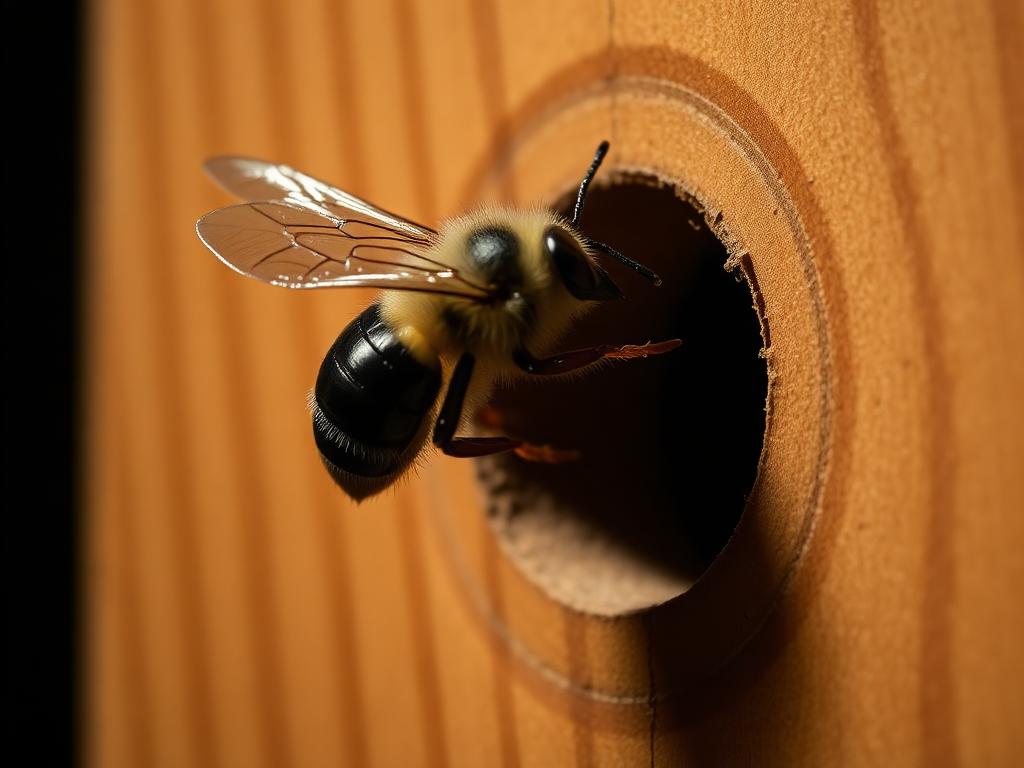
Commonly mistaken for yellowjacket
Yellowjacket questions we get asked
- How is this different from a paper wasp nest?
- Paper wasps build a single open, umbrella-shaped comb usually under eaves or rails with visible individual cells, while yellowjackets build an enclosed papery nest, often hidden underground or inside a wall void, with a colony many times larger.
- Is it safe to just pour something down the hole myself?
- It is not recommended. A ground nest's underground galleries usually extend well beyond the visible entrance, and an incomplete DIY treatment often provokes a mass defensive response instead of eliminating the colony.
- Does GUARDEX handle yellowjacket nests in my area?
- Yes, ground and void nest removal is a routine call across Virginia Beach, Chesapeake, Norfolk, Suffolk, Newport News, and Hampton, especially from late summer into fall when colonies peak.
- How much does nest removal cost and how fast can someone come out?
- Cost depends on nest location and accessibility, with void or structural nests generally more involved than a simple ground nest; active stinging situations are typically prioritized for same-day or next-day service.
- Will the same nest come back next year?
- No, the colony including the founding queen dies off each fall and the nest itself is not reused, but the same conducive conditions — an open ground gap, an unsealed void — can attract a new colony the following spring if not corrected.
Yellowjacket control by city and county
- Yellowjacket control in Virginia Beach, VA
- Yellowjacket control in Chesapeake, VA
- Yellowjacket control in Norfolk, VA
- Yellowjacket control in Portsmouth, VA
- Yellowjacket control in Suffolk, VA
- Yellowjacket control in Newport News, VA
- Yellowjacket control in Hampton, VA
- Yellowjacket control in Poquoson, VA
- Yellowjacket control in Smithfield, VA
- Yellowjacket control in Isle of Wight County, VA
- Yellowjacket control in Carrollton, VA
Services that handle yellowjacket problems
- Cockroach ControlGerman roach elimination indoors, American and oriental roach control at the source.
- Ant ControlSpecies-specific baiting for odorous house, Argentine, pavement, and fire ants.
- Rodent Control & ExclusionTrapping paired with physical exclusion so they cannot come back.
- Mosquito & Tick ControlYard programs targeting harborage and standing-water breeding sites.
- Bed Bug TreatmentInspection-driven treatment programs with confirmation follow-ups.
- Wildlife ExclusionSquirrel, raccoon, opossum, and bat removal with permanent structural sealing.
Further reading
- If you are seeing camel crickets indoors, the crawl space is the storyCamel crickets are an indicator species. Killing the ones you see does nothing about the condition that produced them.
- German roaches versus American roaches: two completely different problemsOne is an indoor harborage and sanitation issue. The other is usually a crawl space, sewer, or moisture defect. Treating them the same wastes money.
Others in this category
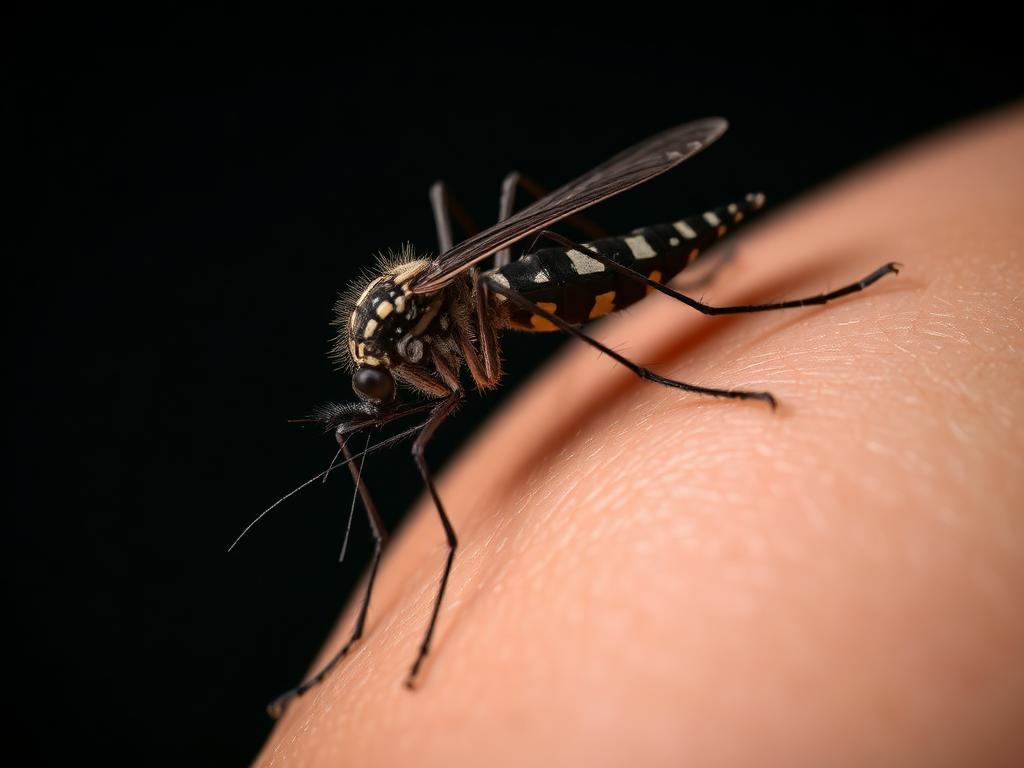
Asian Tiger Mosquito
Aggressive daytime biter that breeds in containers, not marsh.
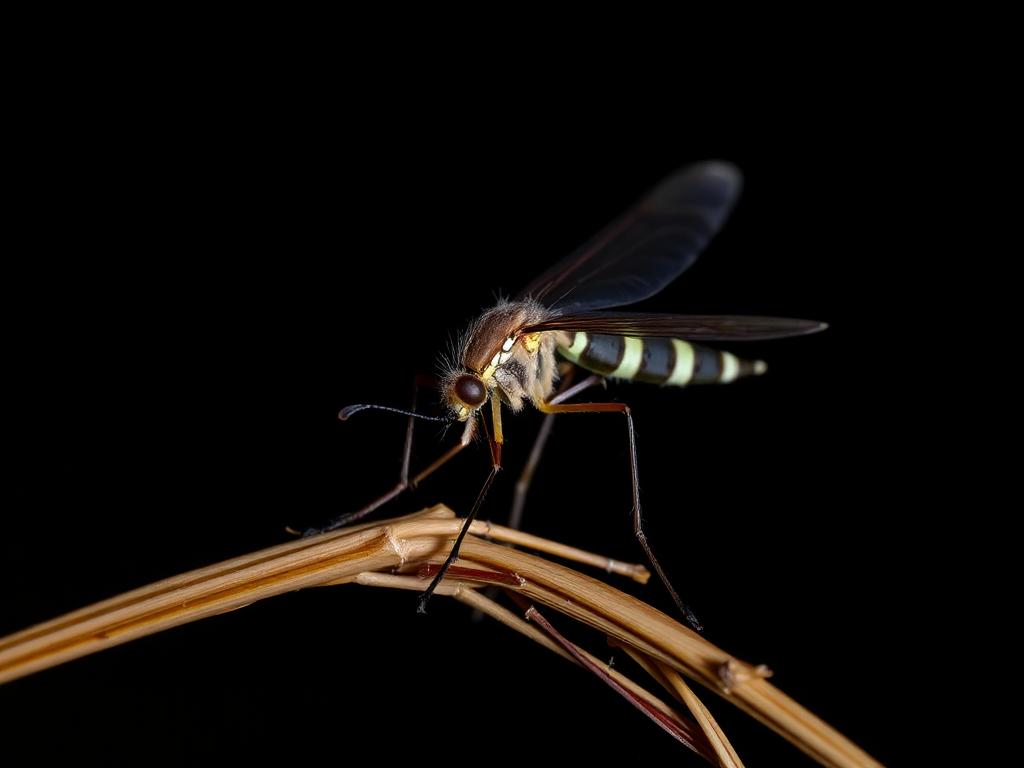
Salt Marsh Mosquito
Flies in from tidal marsh in huge broods after high tides and rain.
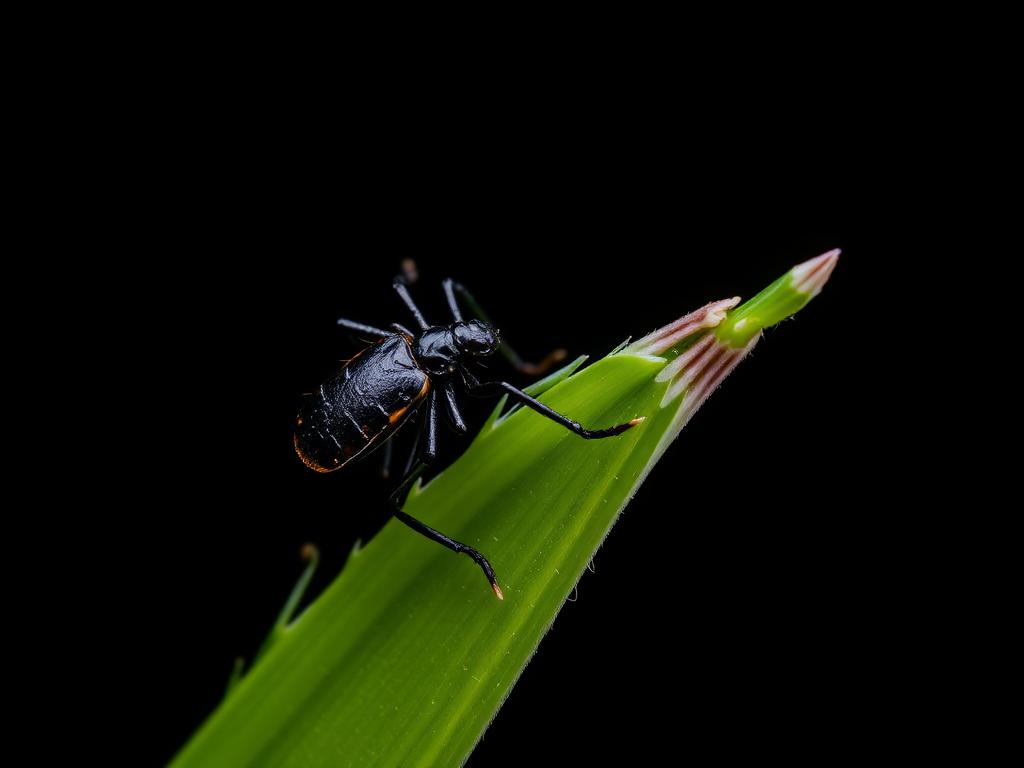
Blacklegged (Deer) Tick
The Lyme disease vector, active in leaf litter and wooded edges.
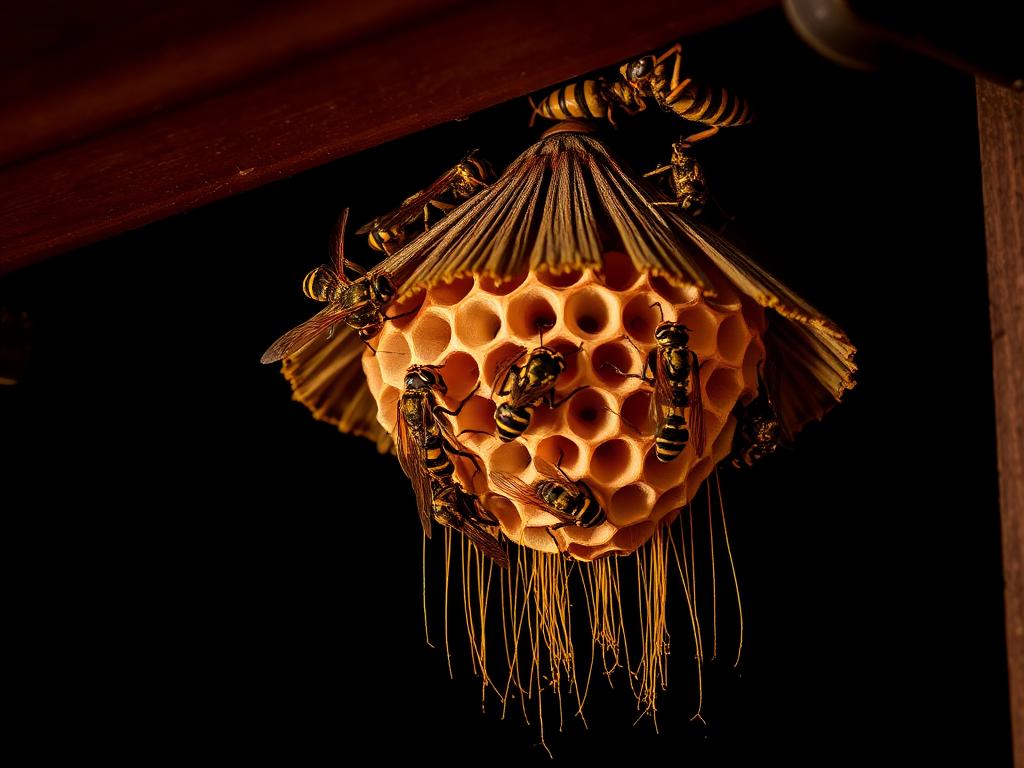
Paper Wasp
Open umbrella nests under eaves, rails, and grill covers.
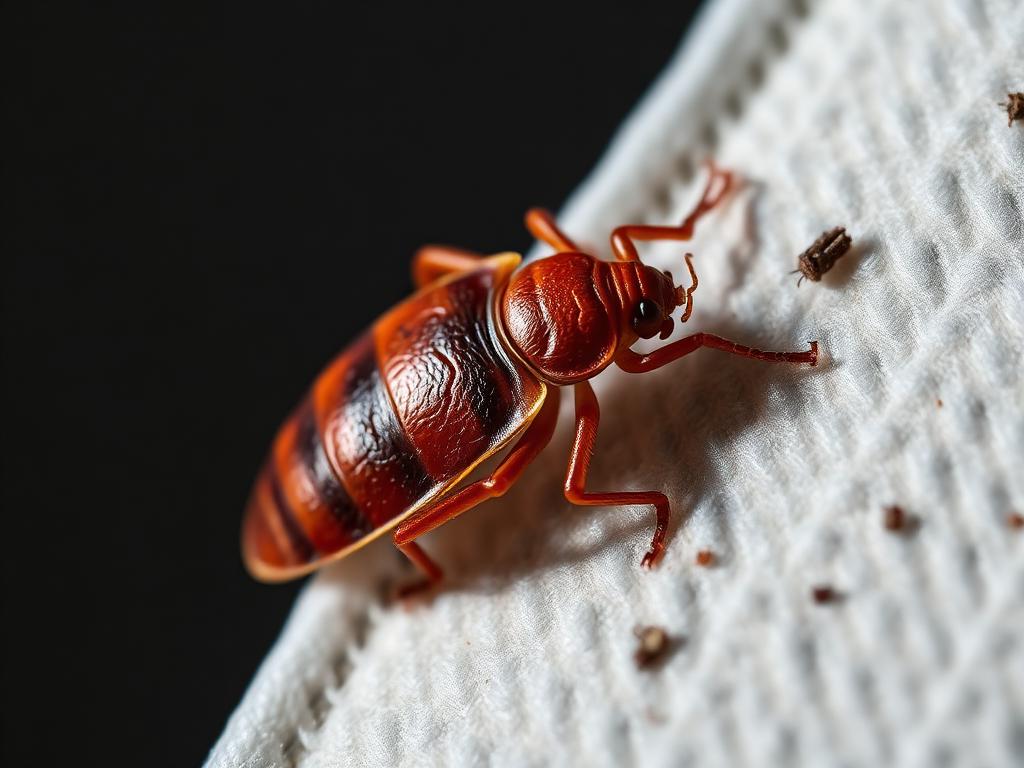
Bed Bug
Introduced by travel and used furniture — never by sanitation.
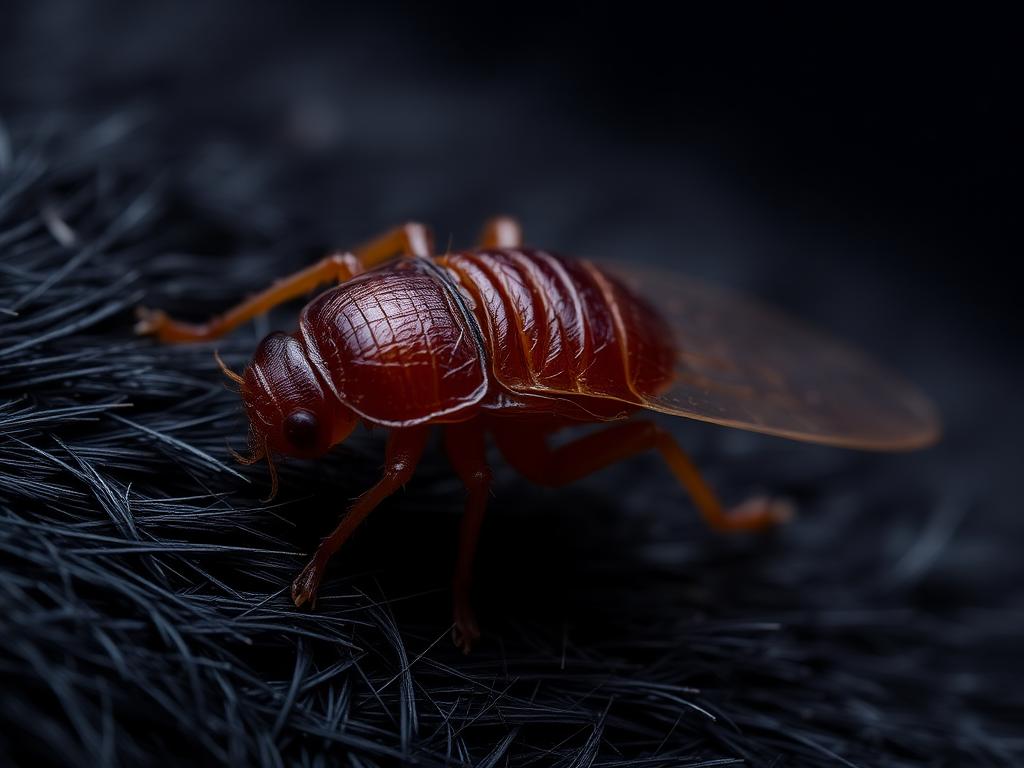
Cat Flea
Most of the population is eggs and larvae in carpet, not adults on the pet.
Confirm the ID and get it handled
Send a photo and the location in the structure. A licensed technician will tell you the species and whether it needs a visit.
Request an inspection