
Biting & stinging
Cat Flea Control in Hampton Roads
Most of the population is eggs and larvae in carpet, not adults on the pet.
Ctenocephalides felis
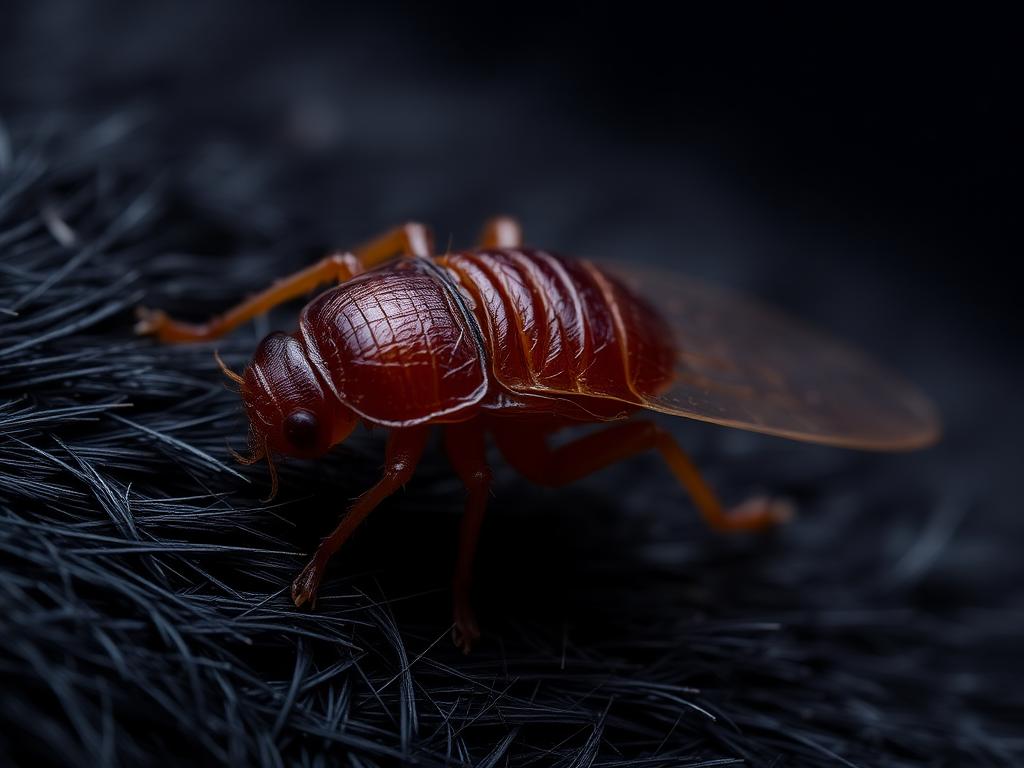
- Adult size
- 1/8"
- Color
- Dark reddish-brown
- Group size
- Thousands in the carpet
- Lifespan
- 2 – 3 months
The cat flea is the species responsible for nearly every flea infestation in a Hampton Roads home, whether or not there is a cat on the property, since it readily feeds on dogs, cats, and humans alike. The part that surprises most homeowners is the math: at any given time, adult fleas visible on a pet make up only a small fraction of the total population, while the overwhelming majority of eggs, larvae, and pupae are developing in carpet fibers, upholstery seams, and pet bedding rather than on the animal itself.
That distribution is exactly why treating only the pet — a flea bath, a single dose of spot-on treatment — so often fails to solve the problem. Eggs fall off the host continuously into carpet and furniture, hatch into larvae that feed on organic debris in those fibers, and develop into pupae that can remain dormant and protected inside a cocoon for weeks, resistant to many treatments, until vibration or warmth signals a host is nearby and triggers emergence.
Hampton Roads' warm, humid climate extends the outdoor flea season well beyond what colder regions experience, and yards with shaded, humid microclimates under decks, shrubs, or crawl space vents in Chesapeake, Suffolk, and Virginia Beach give fleas a place to persist outdoors even when indoor conditions are managed, creating repeated reinfestation if the outdoor source is ignored.
How to identify cat flea
Tiny dark jumping insect; flea dirt in pet bedding turns red-brown when wetted. Bites concentrate around ankles.
When cat flea activity peaks
Peak load July through September; mild coastal winters keep them alive indoors.
July — activity index 100 / 100 (annual peak)
Cat Flea biology and life cycle
An adult female cat flea begins laying eggs within a day or two of her first blood meal and can lay dozens of eggs daily, which fall off the host into carpet, bedding, and upholstery rather than staying attached. Eggs hatch within two days to two weeks depending on temperature and humidity, and the resulting larvae avoid light, burrowing into carpet fibers and soil to feed on organic debris and adult flea feces, which supplies necessary nutrients. Larvae spin a cocoon and enter the pupal stage, where they can remain dormant for weeks to months, protected from many insecticides, until vibration, heat, or carbon dioxide signals a nearby host and triggers rapid emergence as a hungry adult. Under warm, humid conditions typical of a Hampton Roads summer, the full cycle from egg to biting adult can complete in as little as two to three weeks, which is why a population can rebound quickly after an incomplete treatment.
When cat flea pressure peaks in Hampton Roads
Fleas are active outdoors nearly year-round in Hampton Roads because hard freezes are infrequent, but pressure builds most noticeably from late spring through fall as humidity and warm temperatures accelerate the egg-to-adult cycle. Indoor infestations can occur at any time of year since heated homes provide stable warmth regardless of outdoor conditions, but the heaviest new introductions typically follow summer outdoor exposure when pets spend more time outside picking up fleas from shaded yard areas, then carry them indoors. A mild winter can allow outdoor populations to persist with little interruption, meaning the region rarely gets the natural population reset that colder climates see each year.
Cat Flea threat profile
Structural risk
0/100
Damage to framing, floors and finishes
Health risk
55/100
Bites, stings, allergens and pathogens
Spread rate
85/100
How fast it multiplies once established
DIY difficulty
80/100
How reliably store products fail on it
Does yours match? Interactive ID checklist
0 of 4 traits matched
Tick everything you can actually see.
Why it is in your house
Mild winters and crawl space and yard harborage for wildlife hosts allow flea populations to persist far later into the year than in colder climates.
Field notes: cat flea you did not know
- Fact 01
Only about 5% of a flea population is on the pet — the rest is in the carpet as eggs and larvae.
- Fact 02
A flea jumps roughly 150 times its own body length.
- Fact 03
Pupae can lie dormant for months and hatch when they feel vibration.
Signs of cat flea activity
- Pets scratch, bite, or groom excessively, especially around the base of the tail and hind legs.
- Small dark specks resembling ground pepper are found in pet bedding or where the pet rests, which turn reddish-brown when wet, indicating flea dirt.
- Small, itchy bites appear on human ankles and lower legs, often after time on carpet or in a recently infested room.
- Live fleas are seen moving quickly through pet fur when parted, particularly near the belly or tail base.
- A white-socked foot dragged slowly across carpet picks up small jumping fleas, a simple household check.
- Pets show hair loss or raw skin patches from chronic scratching, sometimes indicating a flea allergy reaction.
What cat flea activity costs you
For most pets and people, cat flea bites cause itching, irritation, and in sensitive animals, flea allergy dermatitis, which can lead to significant hair loss, raw skin, and secondary skin infection from chronic scratching. Cat fleas can also serve as an intermediate host for certain tapeworms, so pets that ingest an infected flea while grooming can pick up a tapeworm infection, which is one practical reason flea control matters beyond comfort. Left untreated indoors, a flea population sustained by pet blood meals and constant egg-drop into carpet and furniture will continue growing rather than resolving on its own, and heavy infestations can become a significant financial and logistical burden if furniture or flooring requires extensive treatment or replacement.
What actually removes it
Interior treatment with an insect growth regulator, exterior harborage treatment, coordinated veterinary treatment of pets, and repeat service to catch emerging pupae.
Quarterly Pest ControlThe Guardex cat flea treatment plan
01 · Inspection and pet coordination
The technician inspects carpet, pet bedding, upholstery, and baseboards to gauge infestation extent, and confirms the household has current veterinary flea treatment on all pets, since treating the home without treating the pet allows reinfestation to continue.
02 · Indoor treatment with growth regulator
A combination of adulticide and insect growth regulator is applied to carpet, upholstery, and pet resting areas; the growth regulator is critical because it interrupts the egg and larval stages, which make up the large majority of the population.
03 · Outdoor treatment of shaded harborage
Shaded, humid areas of the yard where pets rest — under decks, along foundation shrubs, near crawl space vents — are treated separately, since untreated outdoor harborage is a common source of repeated reinfestation.
04 · Follow-up and vacuuming guidance
The homeowner is given a vacuuming schedule to physically remove eggs, larvae, and stimulate pupae to emerge into the treated environment, and a follow-up visit addresses any pupae that survived the initial application.
Why store-bought products usually fail
Treating only the pet, without addressing carpet, furniture, and pet bedding, leaves the majority of the population untouched, since the overwhelming share of a flea infestation exists as eggs, larvae, and protected pupae in the environment rather than as adults on the animal. Retail carpet powders and sprays often lack an insect growth regulator or use one at a concentration that does not reliably interrupt the full developmental cycle, so adults keep emerging from pupae for weeks after a single application. The pupal stage in particular is resistant to many contact insecticides while cocooned, which is why professional treatment paired with vacuuming — to physically remove eggs and stimulate pupal emergence into a treated environment — consistently outperforms a single retail application.
Prevention checklist
- Keep all pets on a current veterinary flea preventive year-round, not just during the warm months.
- Vacuum carpets, rugs, and upholstery regularly, especially in rooms pets frequent, and dispose of the vacuum bag or empty the canister promptly.
- Wash pet bedding on a hot cycle every one to two weeks during peak season.
- Keep grass mowed and shrubs thinned to reduce shaded, humid harborage where fleas persist outdoors.
- Limit pet access to crawl space vents and other damp, shaded areas where fleas can develop undisturbed.
- Address a flea problem at the first sign of scratching or flea dirt rather than waiting for a visible infestation.
Where cat flea pressure runs highest
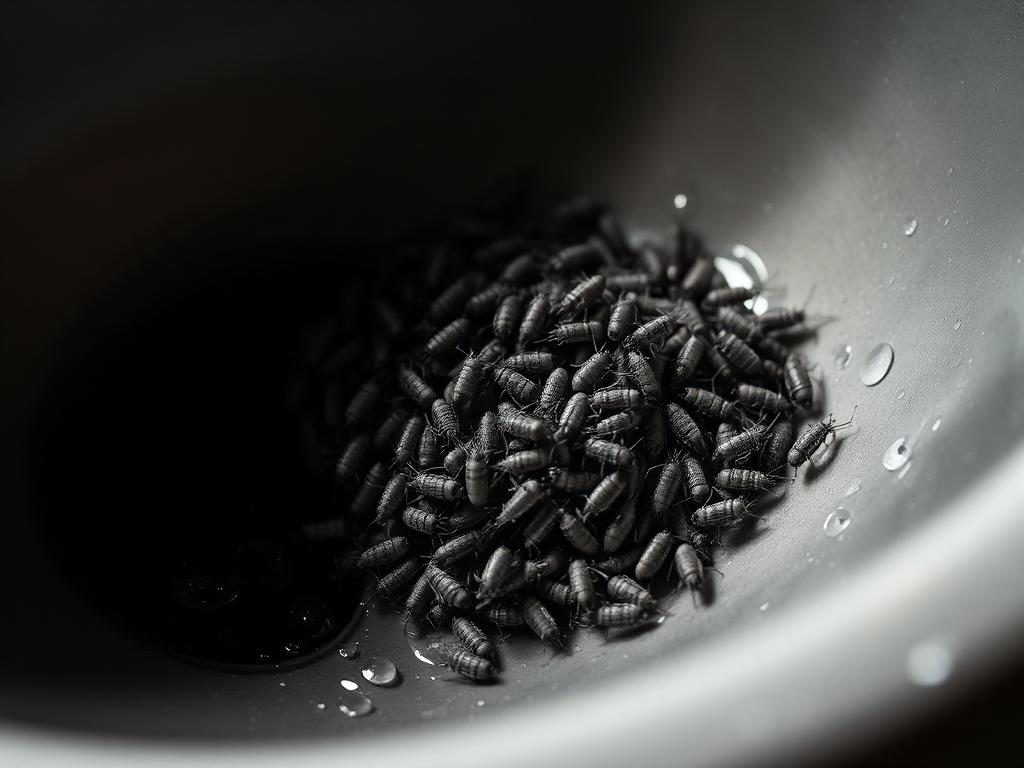
Commonly mistaken for cat flea
Cat Flea questions we get asked
- We don't have a cat — why do we have cat fleas?
- Cat fleas are the dominant flea species regionally and feed readily on dogs and humans as well as cats, so a dog-only household or even a home with no pets that inherited fleas from a previous occupant's pet can still be affected.
- Why do fleas keep coming back after treating my pet?
- Adult fleas on the pet are only a small fraction of the total population; most eggs, larvae, and pupae are in carpet and furniture, so treating the pet alone leaves the majority of the population to keep developing and reinfesting.
- How long does flea treatment take to work?
- Adult fleas are typically reduced quickly, but because pupae can remain protected for weeks, full resolution often takes several weeks with a growth regulator in place and a follow-up visit to catch newly emerged adults.
- Is outdoor treatment really necessary if the infestation is indoors?
- Yes, if pets spend time in shaded, humid yard areas, that outdoor harborage can keep reintroducing fleas indoors even after a thorough indoor treatment, especially in Hampton Roads' long warm season.
- What does flea treatment cost?
- Cost depends on the size of the home, extent of the infestation, and whether outdoor treatment is needed in addition to indoor service; most cases require an initial visit plus a follow-up to fully break the cycle.
Services that handle cat flea problems
- Cockroach ControlGerman roach elimination indoors, American and oriental roach control at the source.
- Ant ControlSpecies-specific baiting for odorous house, Argentine, pavement, and fire ants.
- Rodent Control & ExclusionTrapping paired with physical exclusion so they cannot come back.
- Mosquito & Tick ControlYard programs targeting harborage and standing-water breeding sites.
- Bed Bug TreatmentInspection-driven treatment programs with confirmation follow-ups.
- Wildlife ExclusionSquirrel, raccoon, opossum, and bat removal with permanent structural sealing.
Further reading
- If you are seeing camel crickets indoors, the crawl space is the storyCamel crickets are an indicator species. Killing the ones you see does nothing about the condition that produced them.
- German roaches versus American roaches: two completely different problemsOne is an indoor harborage and sanitation issue. The other is usually a crawl space, sewer, or moisture defect. Treating them the same wastes money.
Others in this category
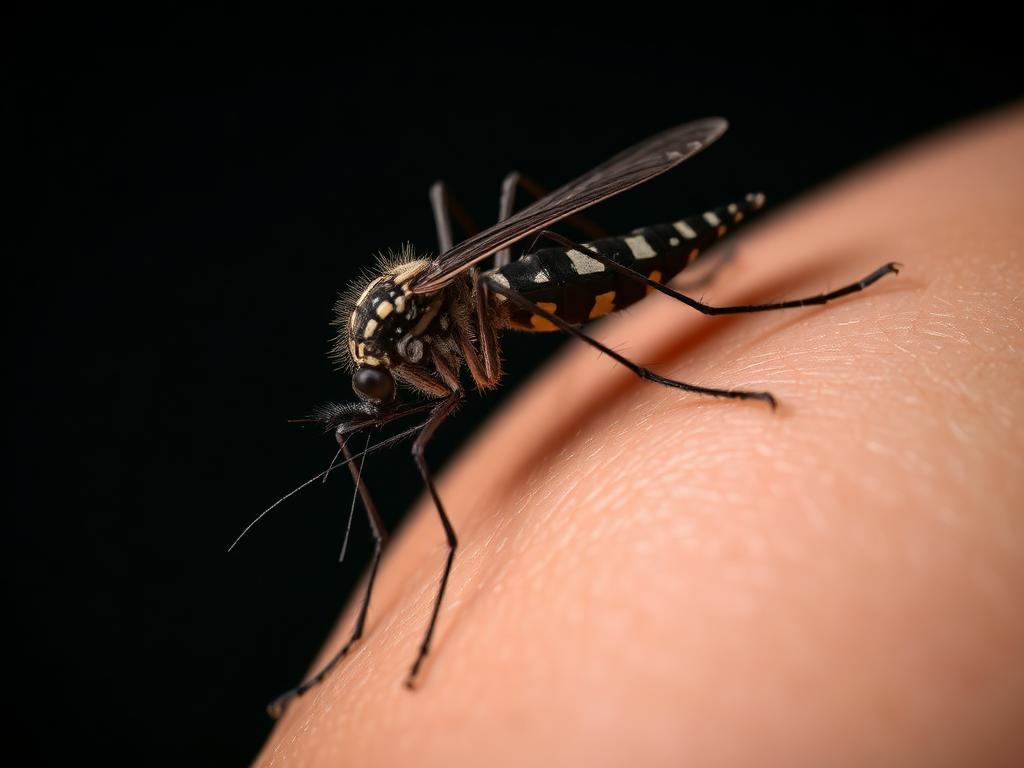
Asian Tiger Mosquito
Aggressive daytime biter that breeds in containers, not marsh.
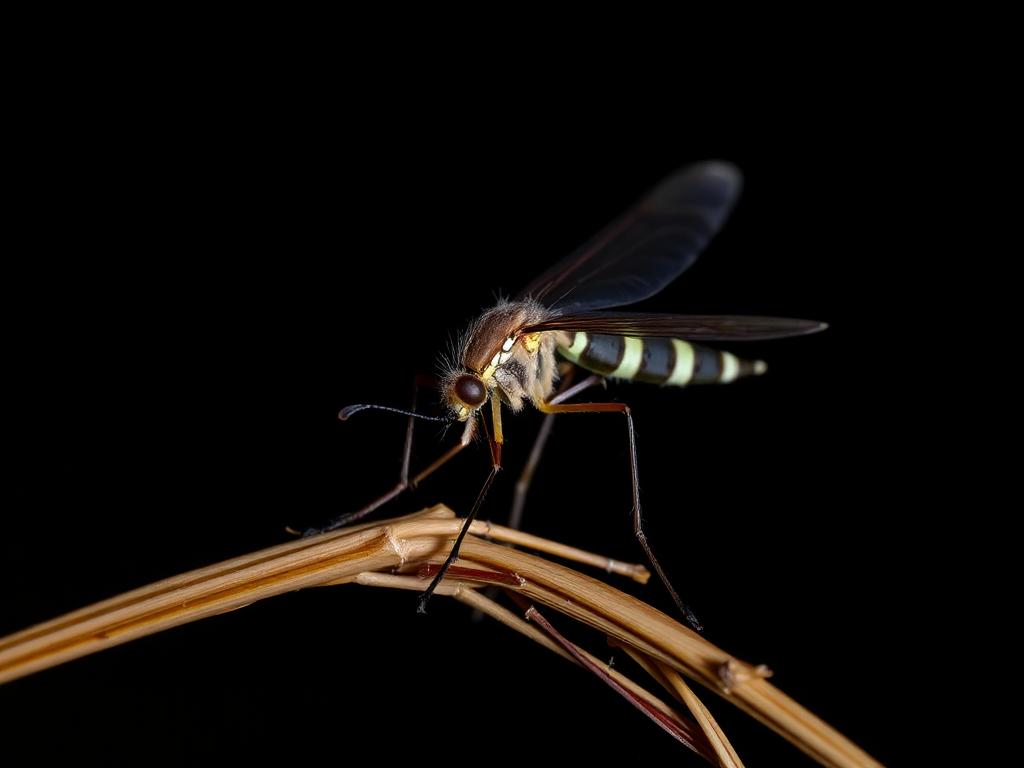
Salt Marsh Mosquito
Flies in from tidal marsh in huge broods after high tides and rain.
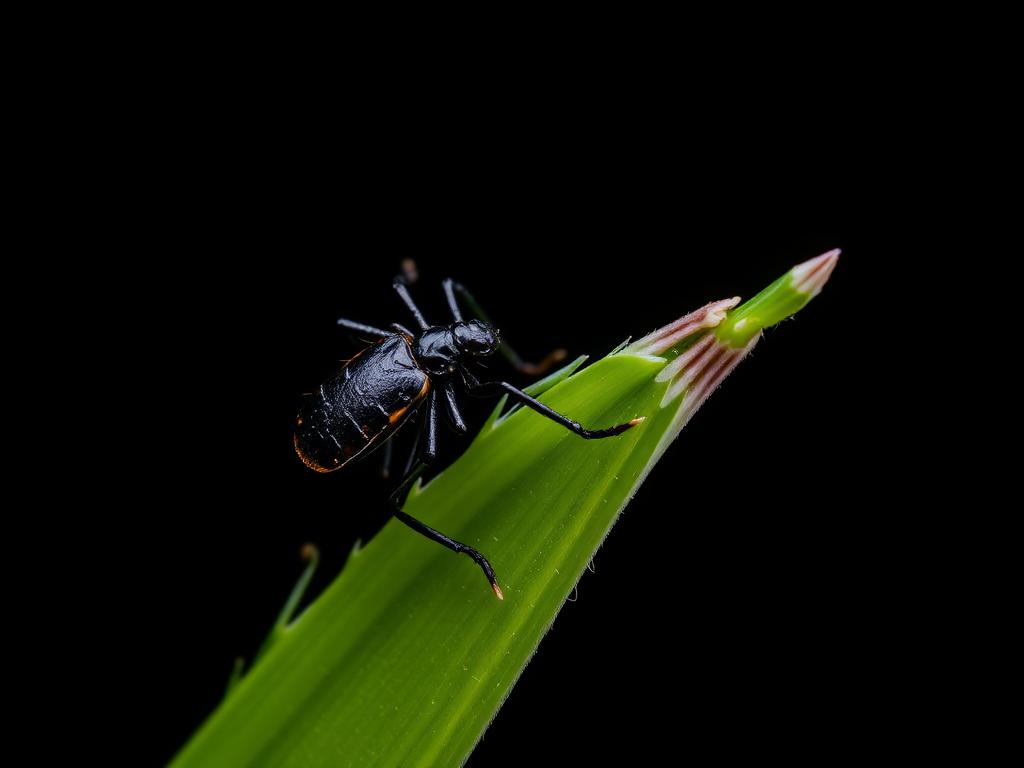
Blacklegged (Deer) Tick
The Lyme disease vector, active in leaf litter and wooded edges.
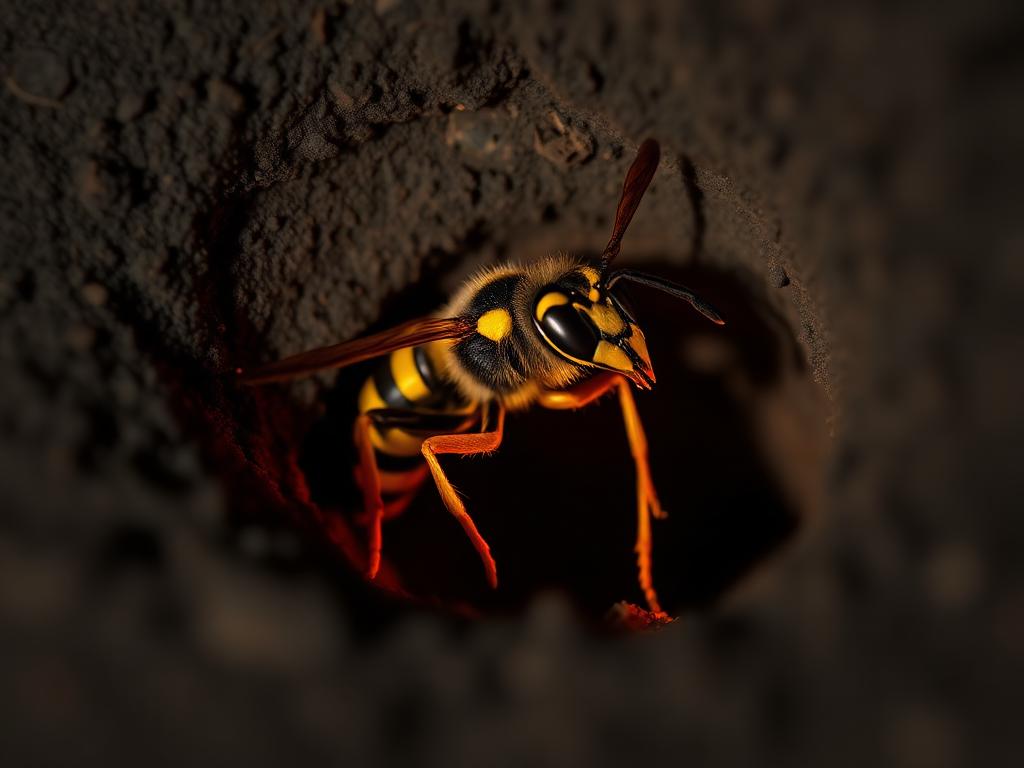
Yellowjacket
Ground and void nests that turn aggressive in late summer.
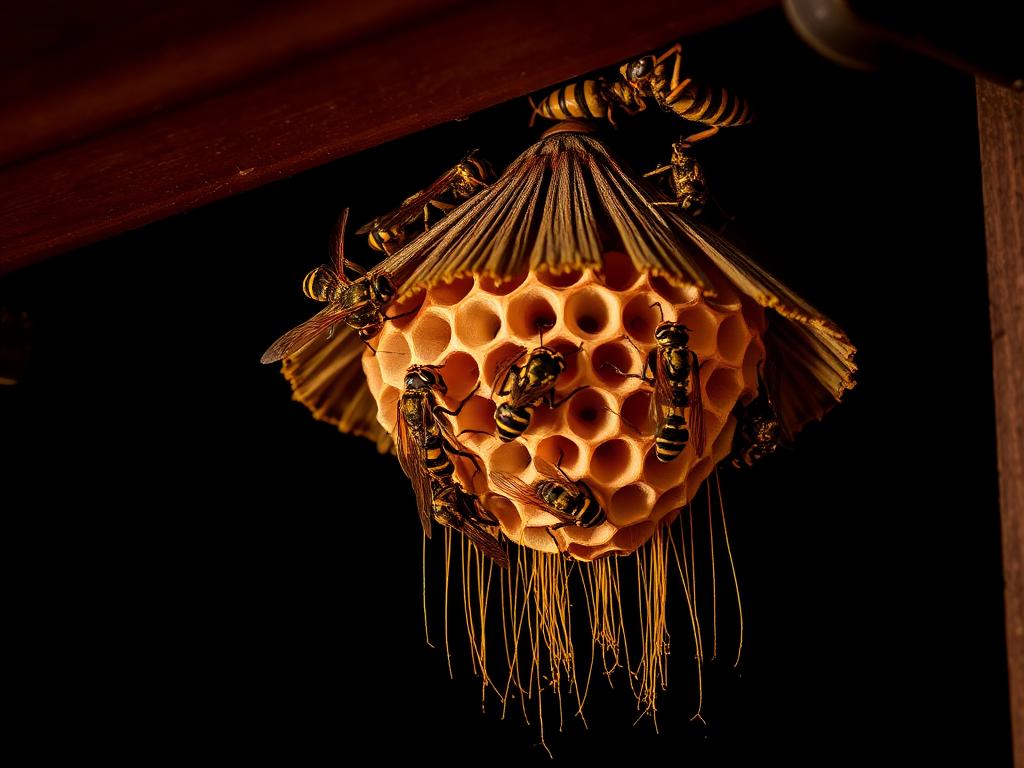
Paper Wasp
Open umbrella nests under eaves, rails, and grill covers.
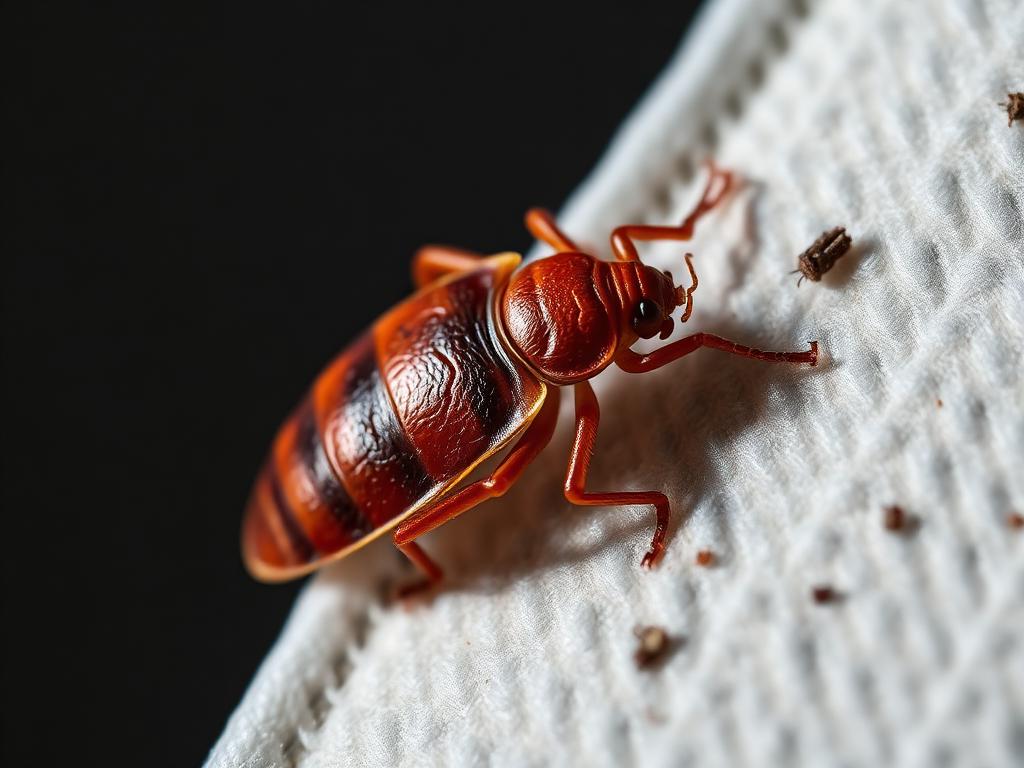
Bed Bug
Introduced by travel and used furniture — never by sanitation.
Confirm the ID and get it handled
Send a photo and the location in the structure. A licensed technician will tell you the species and whether it needs a visit.
Request an inspection