
Biting & stinging
Bed Bug Control in Hampton Roads
Introduced by travel and used furniture — never by sanitation.
Cimex lectularius
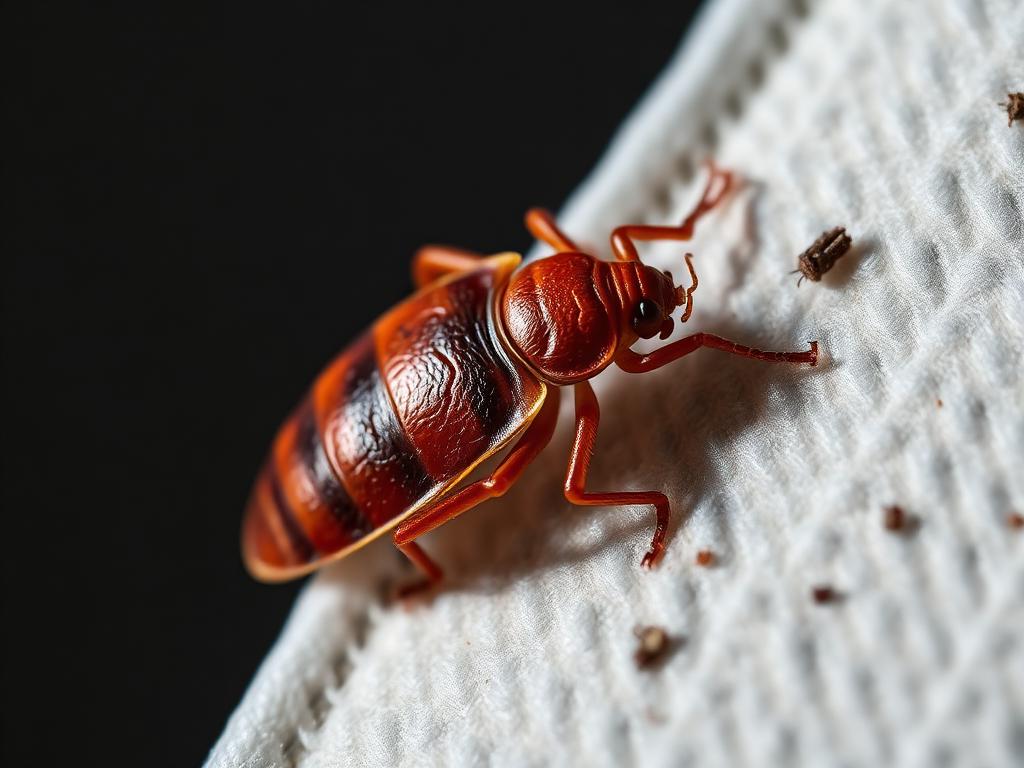
- Adult size
- 3/16", apple-seed size
- Color
- Rust brown, flat until fed
- Group size
- Hundreds in one room
- Lifespan
- 6 – 12 months
Bed bugs do not care how clean a home is — they are introduced, not grown, and the single biggest driver of new infestations in Hampton Roads is movement of people and belongings, not sanitation. Travel, secondhand furniture, and shared or frequently turned-over housing all move bed bugs from one location to another, and the region's significant military-adjacent rental turnover in Norfolk, Virginia Beach, Hampton, and Newport News creates a steady stream of moves in and out of apartments and short-term housing where an infestation in one unit can spread before it is caught.
Once introduced, bed bugs are patient and thorough hitchhikers rather than fast spreaders on their own. They do not fly and move relatively slowly on their own power, but they ride readily in luggage seams, box springs, secondhand upholstered furniture, and even personal bags carried between rooms or units, which is how a single infested apartment in a multi-family building can seed neighboring units through shared walls, hallways, or laundry areas over time.
This is a quality-of-life and financial pest, not a disease vector — there is no evidence bed bugs transmit disease to humans — but the harm is still real and significant. Chronic sleep disruption, anxiety about reinfestation, and the cost of replacing infested mattresses, furniture, or belongings add up quickly, and an infestation that goes unaddressed in a rental property can escalate into a lease or move-out dispute.
How to identify bed bug
Apple-seed sized, flat, reddish-brown. Look for dark spotting along mattress piping, shed skins in seams, and clustered bites on exposed skin.
When bed bug activity peaks
Travel-driven, so year-round — with a summer bump from vacations and moves.
July — activity index 95 / 100 (annual peak)
Bed Bug biology and life cycle
A female bed bug lays one to several eggs a day, up to several hundred over her lifetime, in cracks and seams near a host's sleeping or resting area, and eggs hatch in about a week to ten days under normal indoor temperatures. Nymphs pass through five instar stages, requiring a blood meal before each molt, and can reach adulthood in as little as five to eight weeks under favorable warm indoor conditions, though it can take longer if blood meals are infrequent. Adults can survive for several months and, notably, can go a long stretch without feeding if a host is unavailable, which is part of why bed bugs can persist in a vacant apartment between tenants and re-emerge to bite as soon as a new occupant moves in. Because generations overlap continuously once established, a population can grow from a single fertilized female to a significant infestation across a bedroom within a few months if left untreated.
When bed bug pressure peaks in Hampton Roads
Unlike outdoor pests, bed bugs are not weather-driven and are found year-round in Hampton Roads homes, apartments, and hotels regardless of season, since they live entirely indoors in climate-controlled conditions. What does fluctuate seasonally is introduction risk: summer travel season and the peak of military PCS moving season in Norfolk, Virginia Beach, and Hampton bring a noticeable uptick in new introductions as households relocate, furniture changes hands, and short-term stays in hotels and temporary housing increase. Holiday travel in late fall and winter produces a smaller secondary bump in new cases traced back to travel.
Bed Bug threat profile
Structural risk
0/100
Damage to framing, floors and finishes
Health risk
60/100
Bites, stings, allergens and pathogens
Spread rate
90/100
How fast it multiplies once established
DIY difficulty
100/100
How reliably store products fail on it
Does yours match? Interactive ID checklist
0 of 4 traits matched
Tick everything you can actually see.
Why it is in your house
Constant military relocation, hotel traffic, and rental turnover across Hampton Roads keep introduction pathways open year-round.
Field notes: bed bug you did not know
- Fact 01
They can survive several months without a blood meal.
- Fact 02
They track exhaled carbon dioxide and body heat to find you in the dark.
- Fact 03
Widespread resistance to pyrethroids is exactly why store sprays scatter them.
Signs of bed bug activity
- Small reddish-brown fecal spots, roughly the size of a period, appear along mattress seams, box spring edges, or headboard joints.
- Tiny pale, translucent shed skins accumulate near seams and cracks close to the bed.
- Bites appear as small, itchy welts, often in a line or cluster, typically on skin exposed while sleeping.
- A sweet, musty odor is noticeable in a heavily infested room.
- Live bugs, flat and reddish-brown before feeding, are found in mattress seams, bed frame joints, or behind headboards during a flashlight inspection.
- Small bloodstains appear on sheets from bugs crushed during sleep.
What bed bug activity costs you
Bed bugs are not known to transmit disease to humans, so the primary harm is not medical in the infectious sense — it is sleep disruption, stress, skin irritation from bites, and in sensitive individuals, more pronounced allergic-type skin reactions to repeated feeding. The financial and logistical harm can still be severe: infested mattresses and upholstered furniture often need to be replaced, treatment can require significant preparation and multiple visits, and in multi-family housing an untreated infestation risks spreading to neighboring units, creating disputes between tenants and property management. For renters in the region's military-adjacent housing market, an infestation discovered at move-out or move-in can also complicate deposit and lease matters, which makes early detection and prompt professional treatment financially as well as physically important.
What actually removes it
Full harborage inspection, targeted treatment with residual and growth regulator, encasements, and multiple follow-up visits to break the life cycle.
Bed Bug TreatmentThe Guardex bed bug treatment plan
01 · Inspection and confirmation
The technician inspects mattress seams, bed frames, baseboards, and nearby furniture to confirm an active infestation and assess how far it has spread beyond the immediate sleeping area, since bed bugs disperse along seams and cracks rather than staying in one visible spot.
02 · Preparation guidance
The household is given specific preparation steps — laundering and heat-drying bedding, reducing clutter, vacuuming — because treatment effectiveness depends heavily on access to harborage points that clutter otherwise blocks.
03 · Targeted treatment application
A combination of residual and non-repellent products, and in some cases heat treatment, is applied directly to identified harborage points including seams, cracks, and voids near the sleeping area, rather than a broad general room spray.
04 · Follow-up inspection
A return visit confirms elimination, since bed bug eggs can survive an initial treatment and hatch afterward, making a follow-up check essential rather than optional for full resolution.
Why store-bought products usually fail
Retail bed bug sprays are contact-kill products that do almost nothing against eggs, and bed bugs hide deep in seams, cracks, and voids that a spray bottle simply cannot reach thoroughly enough to eliminate an entire population. Over-the-counter foggers are particularly counterproductive: they can scatter a population into neighboring rooms or adjoining units rather than eliminating it, making a contained problem worse in multi-family housing. Full elimination requires locating every harborage point, applying the correct combination of products or heat with proper technique, and following up to catch any eggs that survived the first treatment — work that consistently underperforms when attempted with retail products alone.
Prevention checklist
- Inspect secondhand furniture and mattresses carefully before bringing them into the home.
- Use a protective, zippered encasement on mattresses and box springs to limit hiding spots.
- Inspect luggage and clothing carefully after travel or hotel stays before bringing bags into the bedroom.
- Reduce clutter near the bed to limit available harborage points.
- Address any suspected infestation promptly rather than waiting, since populations grow continuously once established.
- In multi-family housing, report suspected activity to property management quickly to limit spread to adjoining units.
Where bed bug pressure runs highest
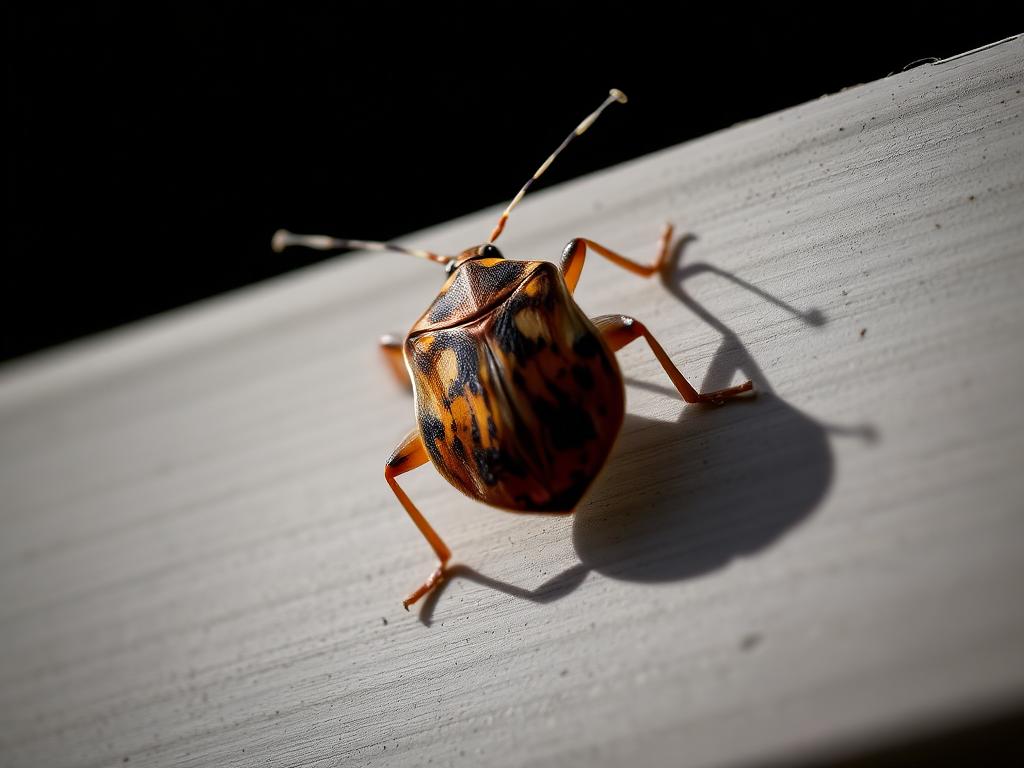
Commonly mistaken for bed bug
Bed Bug questions we get asked
- Did we get bed bugs because the house is dirty?
- No. Bed bugs are introduced through travel, secondhand furniture, or contact with an infested space and are not related to cleanliness; even well-maintained homes and apartments get them.
- Do bed bugs spread disease?
- No, there is no evidence bed bugs transmit disease to humans; the harm is sleep disruption, itchy bites, stress, and the cost of treatment and replacing infested items.
- How long does treatment take and what does it cost?
- Most cases require an initial treatment plus a follow-up visit a few weeks later to catch any eggs that survived; cost depends on the extent of the infestation and number of rooms affected.
- Is this common in my area, like apartments near the military bases?
- Yes, frequent moves and shared or short-term housing near Norfolk, Virginia Beach, and Hampton's military-adjacent rental market create regular introduction opportunities, making this one of the more common calls in those areas.
- Can bed bugs spread from a neighboring apartment?
- Yes, they can travel through wall voids, shared plumbing chases, and hallways, or hitchhike on belongings moved between units, which is why prompt treatment and reporting matters in multi-family buildings.
Bed Bug control by city and county
- Bed Bug control in Virginia Beach, VA
- Bed Bug control in Chesapeake, VA
- Bed Bug control in Norfolk, VA
- Bed Bug control in Portsmouth, VA
- Bed Bug control in Suffolk, VA
- Bed Bug control in Newport News, VA
- Bed Bug control in Hampton, VA
- Bed Bug control in Poquoson, VA
- Bed Bug control in Smithfield, VA
- Bed Bug control in Isle of Wight County, VA
- Bed Bug control in Carrollton, VA
Services that handle bed bug problems
- Quarterly Pest ControlRecurring exterior-focused program covering the region's standard pest set.
- Cockroach ControlGerman roach elimination indoors, American and oriental roach control at the source.
- Ant ControlSpecies-specific baiting for odorous house, Argentine, pavement, and fire ants.
- Rodent Control & ExclusionTrapping paired with physical exclusion so they cannot come back.
- Mosquito & Tick ControlYard programs targeting harborage and standing-water breeding sites.
- Wildlife ExclusionSquirrel, raccoon, opossum, and bat removal with permanent structural sealing.
Others in this category
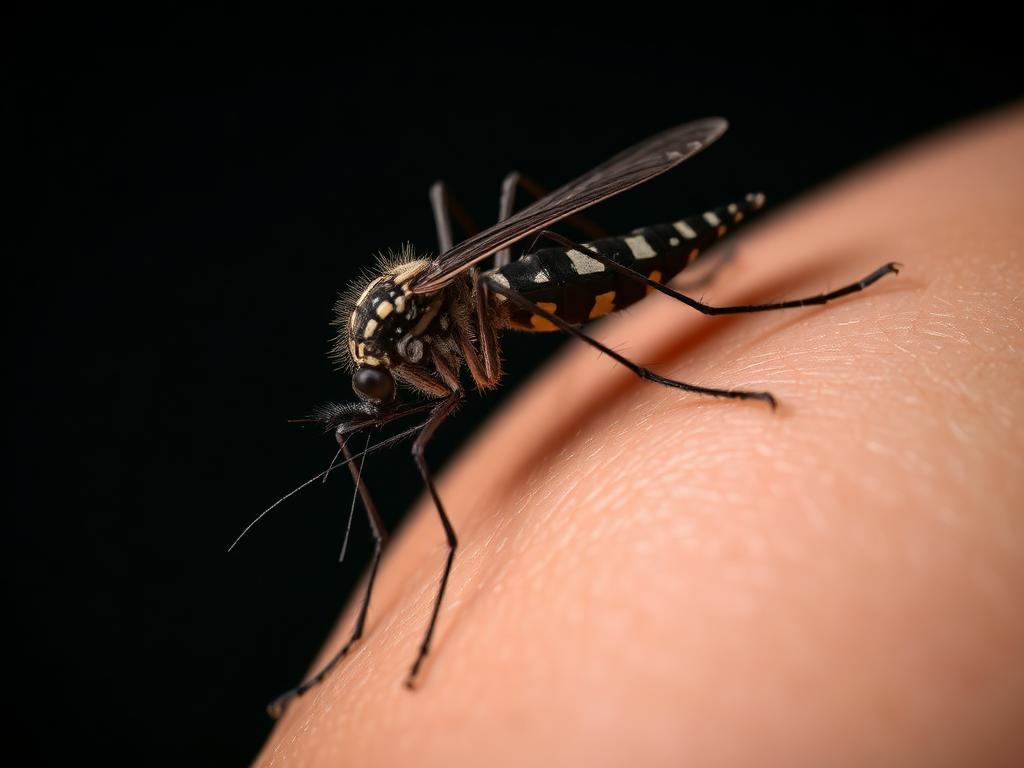
Asian Tiger Mosquito
Aggressive daytime biter that breeds in containers, not marsh.
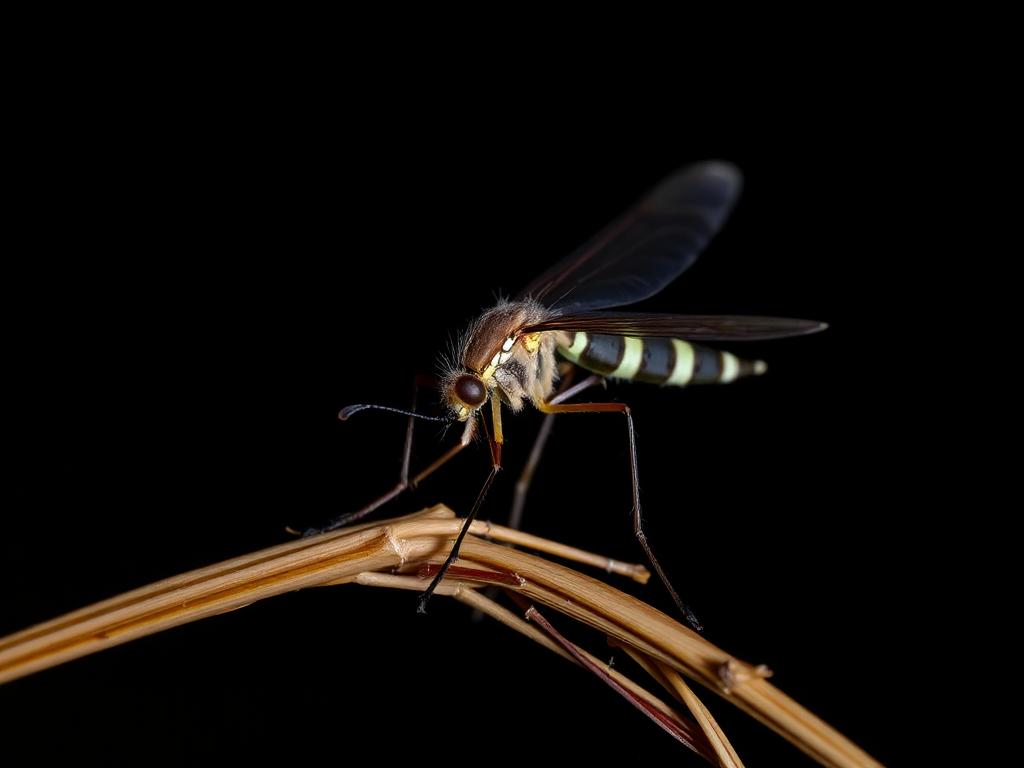
Salt Marsh Mosquito
Flies in from tidal marsh in huge broods after high tides and rain.
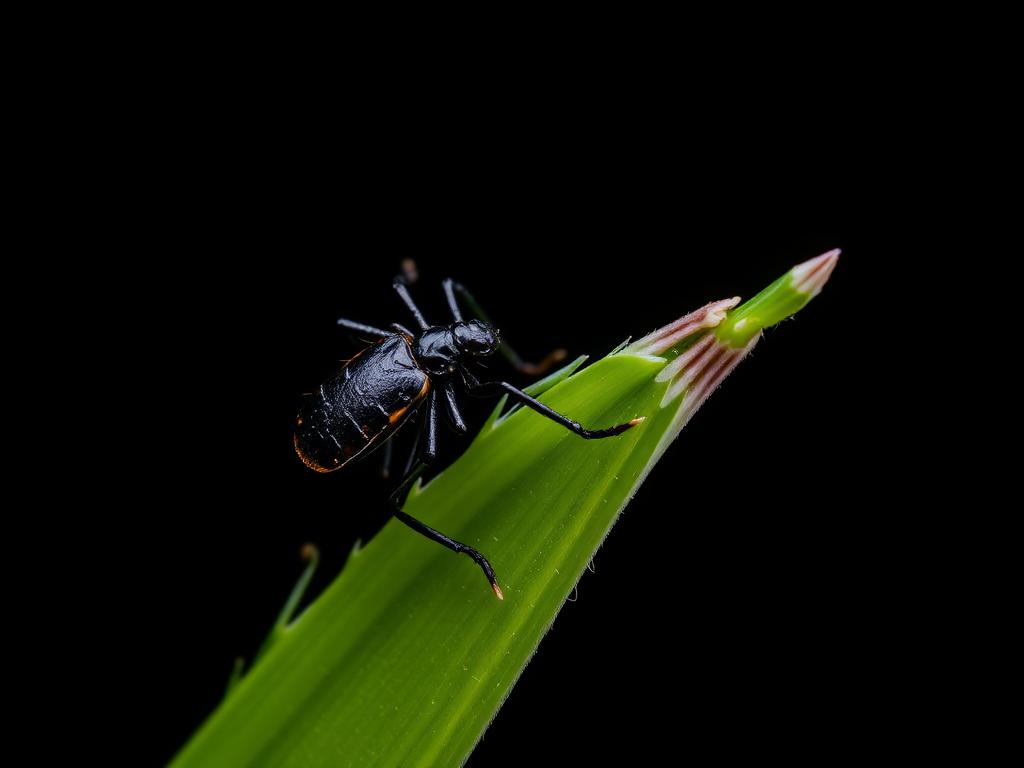
Blacklegged (Deer) Tick
The Lyme disease vector, active in leaf litter and wooded edges.
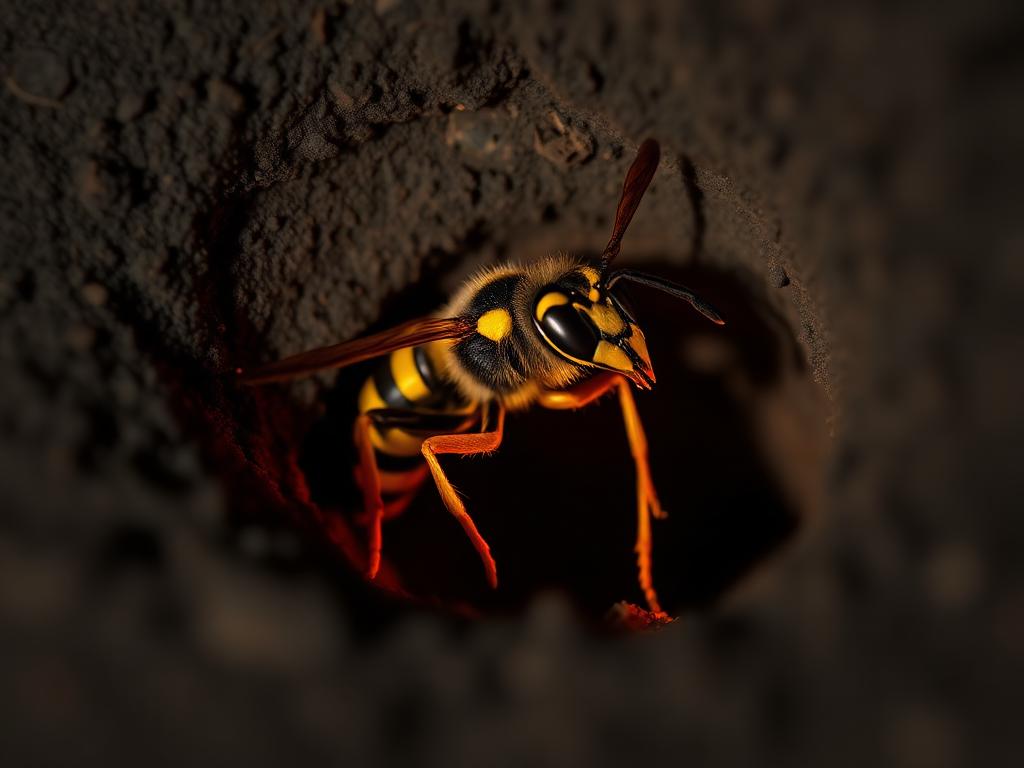
Yellowjacket
Ground and void nests that turn aggressive in late summer.
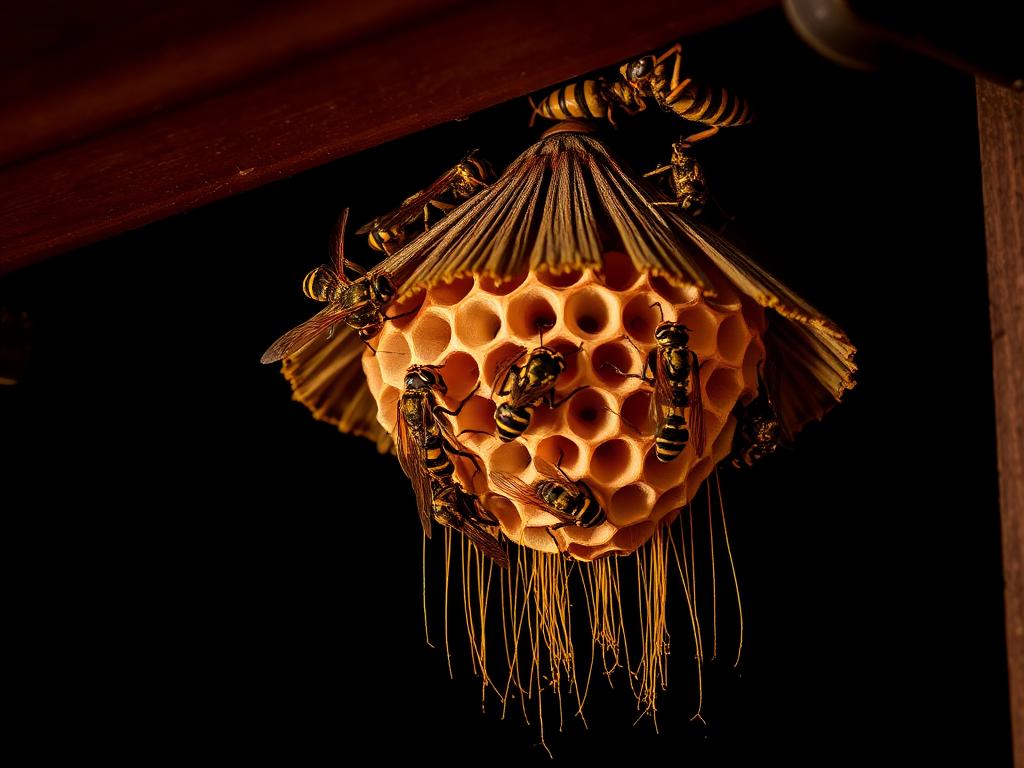
Paper Wasp
Open umbrella nests under eaves, rails, and grill covers.
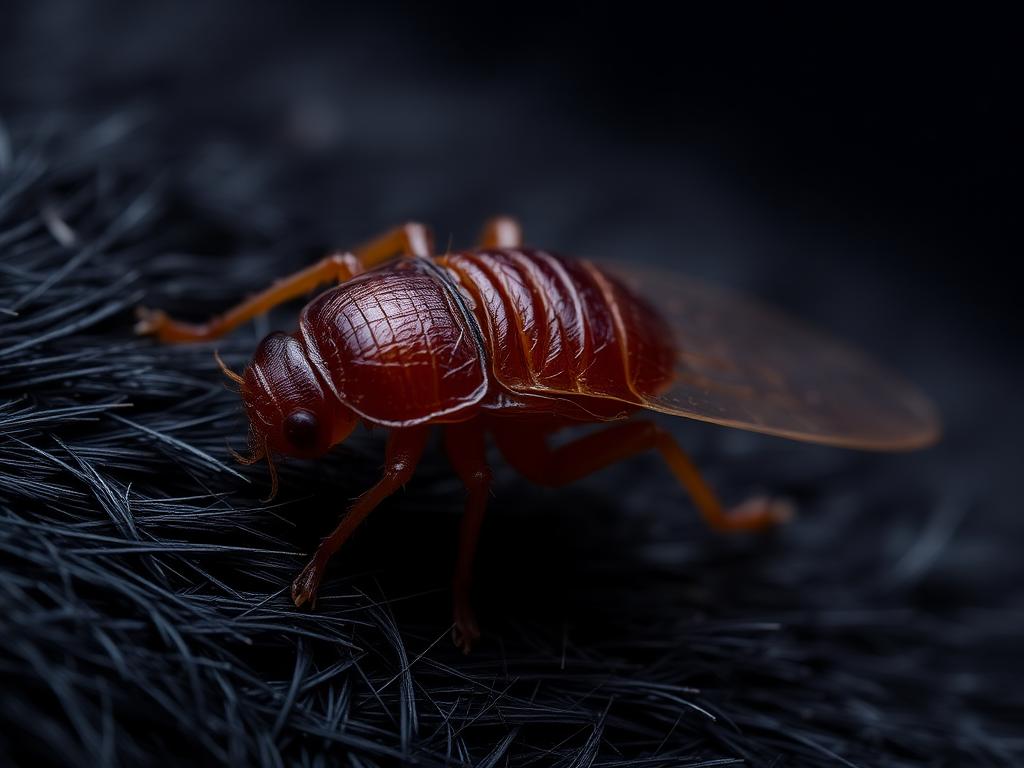
Cat Flea
Most of the population is eggs and larvae in carpet, not adults on the pet.
Confirm the ID and get it handled
Send a photo and the location in the structure. A licensed technician will tell you the species and whether it needs a visit.
Request an inspection