
Moisture-driven invaders
Silverfish Control in Hampton Roads
Fast, teardrop-shaped, and drawn to damp paper and starch.
Lepisma saccharina
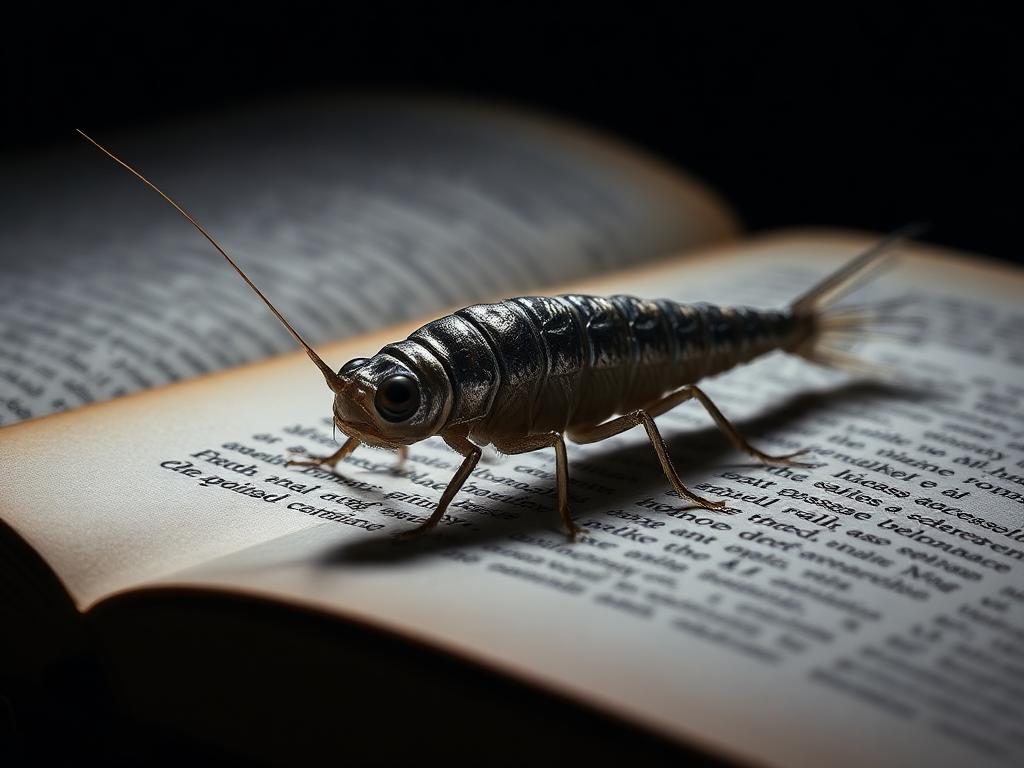
- Adult size
- 1/2" – 3/4"
- Color
- Metallic silver-grey
- Group size
- Dozens
- Lifespan
- 2 – 8 years
Silverfish move fast, low, and erratically, and their silver-gray, carrot-shaped bodies with trailing tail filaments make them one of the more recognizable pests found in Hampton Roads homes, typically in bathrooms, closets, and stored boxes. Unlike many household pests, silverfish are drawn specifically to starch and cellulose — book bindings, wallpaper paste, cardboard, and even certain fabrics — which means an infestation often concentrates in storage areas and attics rather than kitchens.
High indoor humidity is the constant across nearly every silverfish call in this region. Coastal air in Norfolk, Virginia Beach, and Hampton keeps ambient moisture elevated for much of the year, and older homes with original wood trim and less efficient climate control tend to hold that humidity indoors longer than newer construction, sustaining silverfish populations essentially year-round rather than in a single season.
Stored boxes in an attic or basement are a particularly common source, since cardboard combines the two things silverfish need most: cellulose to feed on and, in a poorly ventilated storage area, enough retained humidity to survive. A homeowner who pulls out a box of old documents or books and finds silverfish inside is usually looking at a population that's been established in that storage area for some time, not a new arrival.
How to identify silverfish
Silver-gray, carrot-shaped body with three tail filaments and a wriggling movement. Found in bathrooms, closets, stored boxes, and attics.
When silverfish activity peaks
Sightings climb with indoor humidity from June through September.
July — activity index 90 / 100 (annual peak)
Silverfish biology and life cycle
Silverfish develop gradually from egg to adult through a series of molts without a distinct larval stage, a process that can take anywhere from a few months to over a year depending on temperature and humidity, with warmer, more humid conditions accelerating development. Adults can live for several years and continue molting throughout their lifespan, which is unusual among household insects and part of why an established population can persist quietly for a long time. Females lay eggs in cracks and crevices near food and moisture sources — book shelving, closet corners, or stored cardboard — and because development depends heavily on consistent humidity, populations in chronically damp attics, closets, or crawl spaces can sustain multiple overlapping generations without a clear seasonal break.
When silverfish pressure peaks in Hampton Roads
Silverfish activity in Hampton Roads tends to stay fairly consistent year-round given the region's persistent humidity, but visible sightings often increase in late summer as indoor humidity peaks and again in winter when heating systems dry some areas of a home while leaving others, like closets and attics, comparatively damp and now warmer than outdoor temperatures. Homes that go through seasonal storage changes — pulling out holiday decorations or seasonal clothing from an attic or closet — often discover silverfish activity at those transition points simply because that's when the affected boxes and storage areas are disturbed and inspected.
Silverfish threat profile
Structural risk
15/100
Damage to framing, floors and finishes
Health risk
5/100
Bites, stings, allergens and pathogens
Spread rate
35/100
How fast it multiplies once established
DIY difficulty
55/100
How reliably store products fail on it
Does yours match? Interactive ID checklist
0 of 4 traits matched
Tick everything you can actually see.
Why it is in your house
High indoor humidity and damp storage spaces sustain them across coastal homes year-round.
Field notes: silverfish you did not know
- Fact 01
They can live a year without food as long as there is moisture.
- Fact 02
They eat starch — book bindings, wallpaper paste, photographs, stored linens.
- Fact 03
They molt throughout adult life, which no other common household insect does.
Signs of silverfish activity
- Fast, wriggling movement when a closet, cabinet, or storage box is disturbed.
- Small, irregular holes or yellowish staining on paper, book bindings, or wallpaper.
- Tiny pepper-like droppings or shed skins found in drawers or storage boxes.
- Visible activity concentrated in bathrooms, particularly around tubs, sinks, and damp corners.
- Silverfish found inside long-stored cardboard boxes in an attic or basement.
- A persistently damp or musty feel in a closet, attic, or storage room compared to the rest of the home.
What silverfish activity costs you
Silverfish don't bite, sting, or transmit disease, so the direct health risk to people is minimal, but they do cause real cumulative damage to paper goods, book collections, documents, wallpaper, and certain fabrics, which can be a genuine loss for homeowners with stored family records, books, or photographs. Their presence is also, like several other moisture-associated pests in this region, a reliable indicator of a humidity problem in the specific area where they're found, and ignoring that condition can allow mold growth and material degradation to continue well beyond what the silverfish themselves damage directly. In attics and crawl spaces, the same humidity sustaining silverfish can also be affecting wood framing and insulation over time.
What actually removes it
Humidity reduction, removal of cardboard and paper harborage, targeted crack-and-crevice treatment, and crawl space or attic moisture correction.
Crawl Space Moisture ControlThe Guardex silverfish treatment plan
01 · Inspection and humidity assessment
We identify the specific areas of activity — closets, attic storage, bathrooms — and assess humidity levels and moisture sources contributing to the population in each location.
02 · Harborage and food source removal
Cardboard boxes and unnecessary paper clutter are identified for removal or replacement with sealed plastic storage, cutting off both harborage and food source at once.
03 · Targeted crack-and-crevice treatment
A targeted treatment is applied to cracks, crevices, and storage areas where activity is confirmed, reducing the existing population without unnecessary broad-spectrum application.
04 · Humidity correction
Depending on the source, this may include attic or crawl space ventilation improvements, dehumidification, or moisture barrier work, addressing the condition that allowed the population to establish in the first place.
Why store-bought products usually fail
Surface sprays and store-bought traps can reduce visible silverfish temporarily, but they don't address the humidity or the cardboard and paper harborage sustaining the broader population, particularly when that population is concentrated in an attic or storage area a homeowner rarely inspects closely. Because silverfish develop slowly and adults live for years, a population that seems manageable can actually represent a long-established colony that simply hasn't been fully noticed yet. Correcting the humidity source, whether it's attic ventilation, a crawl space vapor barrier, or bathroom exhaust improvements, requires a broader diagnostic approach than most homeowners are equipped to carry out on their own.
Prevention checklist
- Store books, documents, and seasonal items in sealed plastic containers instead of cardboard boxes.
- Improve ventilation in closets, attics, and bathrooms prone to retained humidity.
- Repair leaking pipes or fixtures promptly, particularly in bathrooms and utility closets.
- Reduce paper clutter and unnecessary cardboard storage in attics and basements.
- Use a dehumidifier in consistently damp storage areas or crawl spaces.
- Inspect stored boxes periodically, especially before long-term storage of documents or books.
Where silverfish pressure runs highest
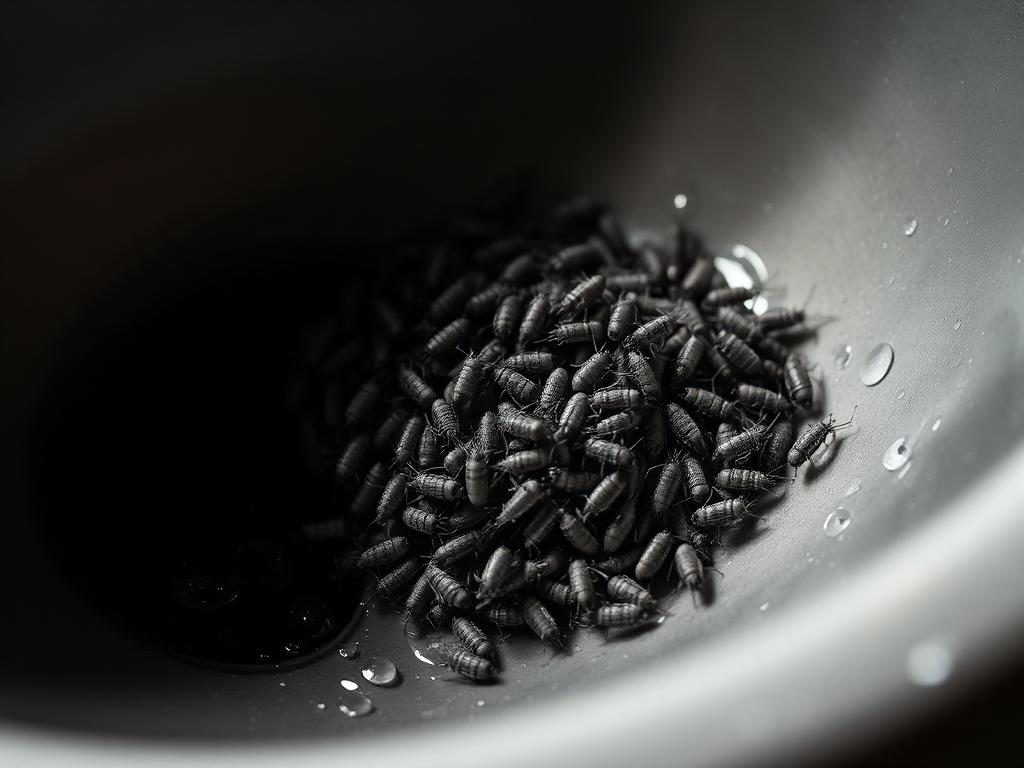
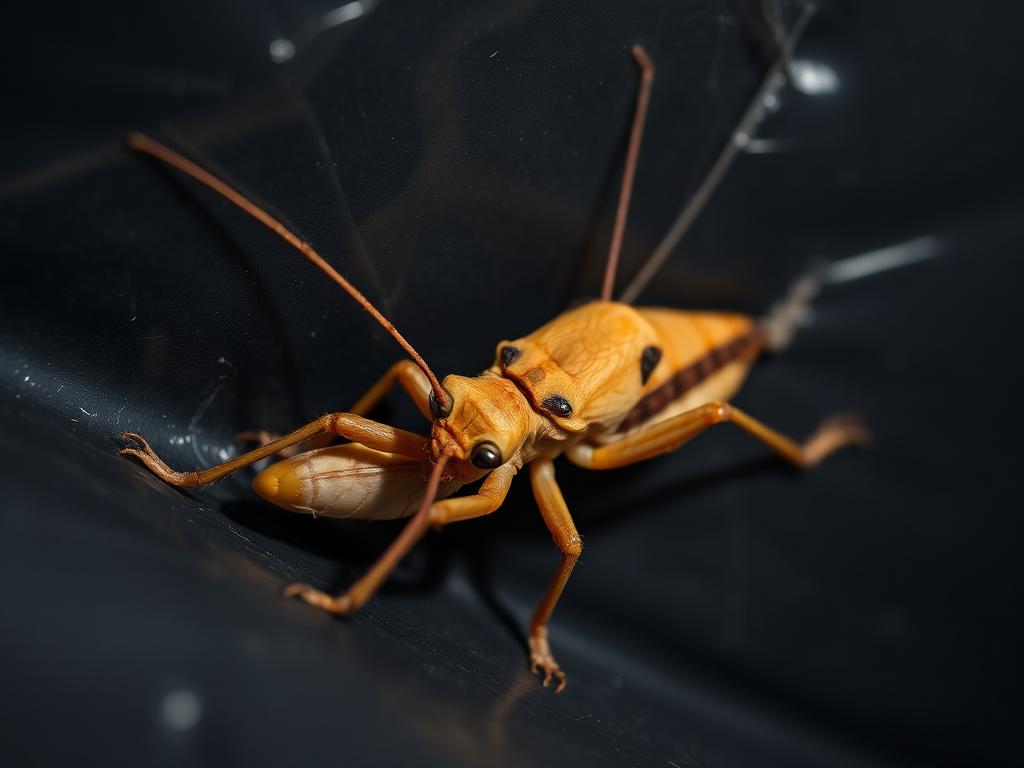
Commonly mistaken for silverfish
Silverfish questions we get asked
- Do silverfish spread disease or bite?
- No, they're not a health hazard in that sense. The concern is mainly the damage they cause to paper, books, and fabric, plus what their presence indicates about humidity in that area.
- Why do I keep finding them in stored boxes?
- Cardboard boxes provide both a food source, since silverfish feed on cellulose, and often retain humidity in an attic or closet, making them ideal harborage. Switching to sealed plastic storage removes both factors.
- Is this a common problem in coastal homes here?
- Yes, the persistent humidity across Norfolk, Virginia Beach, and Hampton, especially in older homes with less efficient climate control, keeps silverfish populations active nearly year-round in many houses.
- Will treatment alone fix it, or do I need to address humidity too?
- Treatment reduces the current population, but without correcting the humidity source, whether that's attic ventilation, a bathroom exhaust fan, or a crawl space issue, a new population tends to establish again over time.
- How long does it take to see results?
- Visible activity typically drops within a week or two of treatment, but full resolution depends on how quickly the humidity source is corrected. We outline that timeline specifically during the inspection.
Services that handle silverfish problems
- Crawl Space EncapsulationSealed liner, conditioned air, and controlled humidity under the whole house.
- Vapor Barrier InstallationGround-plane moisture control where full encapsulation is not warranted.
- Crawl Space DehumidificationSized, ducted dehumidifiers that hold the substructure below the fungus threshold.
- Drainage Correction & Sump SystemsGetting bulk water away from the foundation before anything else is installed.
Further reading
- Crawl space encapsulation, explained honestlyWhat encapsulation actually is, when it is worth the money in coastal Virginia, and when a vapor barrier and drainage correction is the right call instead.
- If you are seeing camel crickets indoors, the crawl space is the storyCamel crickets are an indicator species. Killing the ones you see does nothing about the condition that produced them.
- German roaches versus American roaches: two completely different problemsOne is an indoor harborage and sanitation issue. The other is usually a crawl space, sewer, or moisture defect. Treating them the same wastes money.
- Wood moisture readings: what the numbers on your report meanInspectors quote moisture content percentages like everyone knows the thresholds. Here are the ranges that matter and what each one obligates you to do.
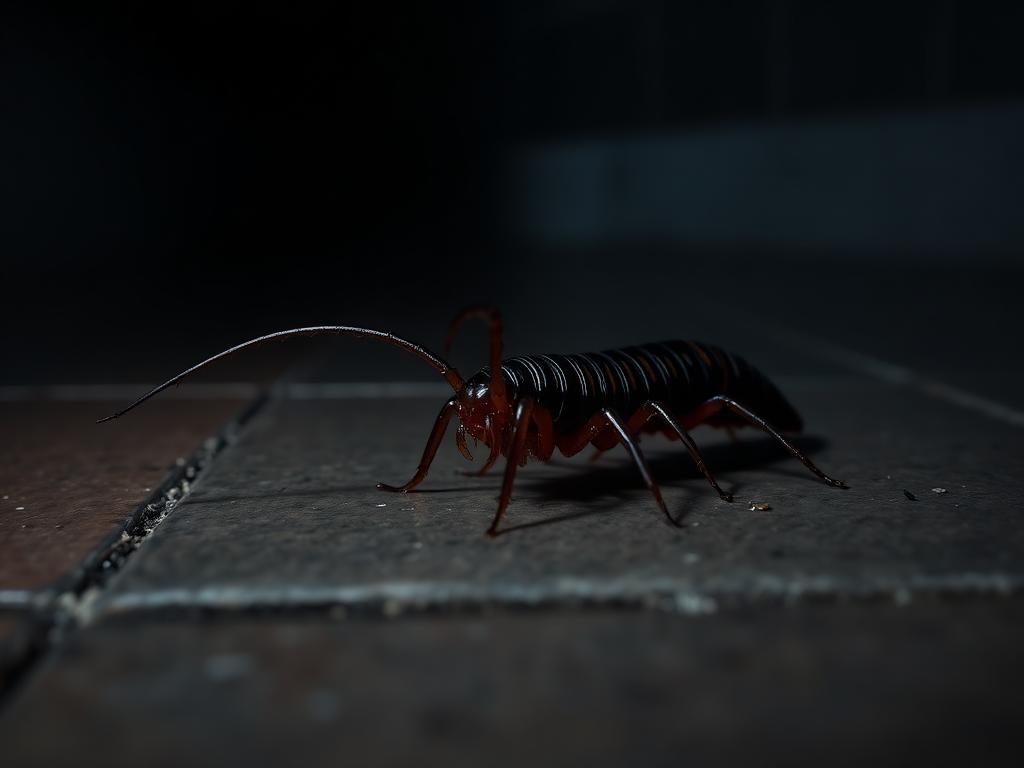
Others in this category
Confirm the ID and get it handled
Send a photo and the location in the structure. A licensed technician will tell you the species and whether it needs a visit.
Request an inspection