
Moisture-driven invaders
Springtail Control in Hampton Roads
Tiny jumping specks appearing in bathrooms and along damp baseboards.
Collembola
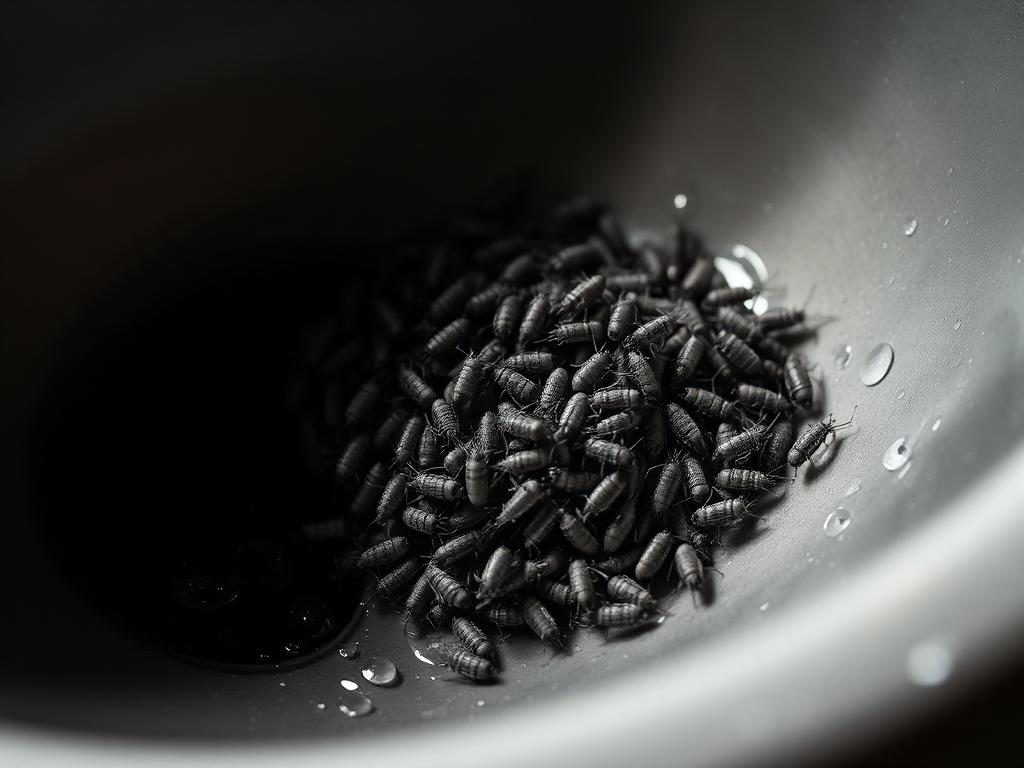
- Adult size
- 1/16"
- Color
- Grey, white or bluish
- Group size
- Thousands per square foot
- Lifespan
- Several weeks
Springtails are tiny enough that most homeowners in Hampton Roads first notice them as unexplained specks moving in a bathtub, sink, or window track rather than as identifiable insects. Under a sixteenth of an inch and capable of jumping when disturbed, they appear suddenly and in large numbers, which tends to alarm people well out of proportion to the actual risk they pose — springtails don't bite, don't damage structures, and don't spread disease.
What they do indicate reliably is saturated conditions somewhere nearby, since springtails feed on mold and fungal growth and require consistently damp material to sustain a population. A crawl space with standing water, a wall void with a slow leak, or a bathroom with poor ventilation and chronic condensation are all conditions that produce springtails continuously, which is why they show up again and again in the same bathroom or along the same baseboard no matter how many times the visible insects are cleaned up.
In this region, the connection to crawl space conditions is especially direct. Older homes in Norfolk and Portsmouth with vented crawl spaces over damp soil, and newer homes in Suffolk and Chesapeake with inadequate drainage, both produce the kind of chronic dampness springtails depend on, and a population found indoors is frequently traceable back to a crawl space or wall void rather than anything happening in the room where they're seen.
How to identify springtail
Under a sixteenth of an inch, gray to dark, jumping when disturbed. Appear in large numbers in sinks, tubs, window tracks, and along wet baseboards.
When springtail activity peaks
Indoor appearances follow wet spells in spring and late summer.
August — activity index 90 / 100 (annual peak)
Springtail biology and life cycle
Springtails develop through simple, direct growth from egg to adult without a distinct larval stage, and under consistently moist conditions they can complete a generation in a matter of weeks, allowing populations to build quickly once established. They feed on mold, fungi, and decaying organic material, which means their population size tracks almost directly with the amount of fungal growth available — a damp crawl space with mold on floor joists can support a very large population continuously. Because reproduction doesn't require a seasonal trigger the way many insects do, springtails found in a chronically damp space can persist and reproduce year-round rather than following a single generational cycle, and indoor sightings often represent overflow from a much larger unseen population in a crawl space or wall void.
When springtail pressure peaks in Hampton Roads
Indoor sightings are most common in late winter and spring, when condensation from temperature differentials between indoor and outdoor air is highest and bathroom and basement humidity peaks. A secondary rise occurs during Hampton Roads' humid summer months, when overall ambient moisture is elevated across the region regardless of specific plumbing issues. Because the underlying population in a crawl space or wall void depends on consistent dampness rather than outdoor temperature, springtails can appear indoors at any time of year if the moisture source is active, including after a plumbing leak or heavy rain event pushes water into an area that's normally only marginally damp.
Springtail threat profile
Structural risk
5/100
Damage to framing, floors and finishes
Health risk
5/100
Bites, stings, allergens and pathogens
Spread rate
50/100
How fast it multiplies once established
DIY difficulty
60/100
How reliably store products fail on it
Does yours match? Interactive ID checklist
0 of 4 traits matched
Tick everything you can actually see.
Why it is in your house
They feed on mold and require saturated conditions — a crawl space or wall void with high humidity produces them continuously.
Field notes: springtail you did not know
- Fact 01
They launch themselves with a tail-like furcula — hence the jumping, flea-like motion.
- Fact 02
They eat mold, not your house, so their presence maps directly to a damp surface.
- Fact 03
Populations in damp soil can exceed 100,000 per square meter.
Signs of springtail activity
- Small, dark, jumping specks appearing in large numbers in a sink, tub, or shower basin.
- Specks accumulating along a window track or damp windowsill.
- Visible mold or mildew on baseboards, drywall, or crawl space framing near where the insects appear.
- A musty odor in the room or space where sightings are concentrated.
- Repeated appearance in the same location despite regular cleaning.
- Condensation or visible moisture on pipes, walls, or crawl space surfaces near the affected area.
What springtail activity costs you
Springtails themselves pose essentially no direct health or structural risk, since they don't bite, sting, or damage building materials. The real concern is what they indicate: a consistently damp environment supporting mold growth, which can affect indoor air quality and, in a crawl space, contribute to wood rot in floor joists and subflooring over time. Homeowners who focus only on the visible insects and ignore the underlying moisture risk allowing that mold and moisture condition to worsen, which can eventually become a more expensive structural or air quality issue than the springtails ever were on their own.
What actually removes it
Locate and correct the moisture source. Crawl space encapsulation, drainage, and leak repair eliminate them; surface sprays do not.
Crawl Space Moisture ControlThe Guardex springtail treatment plan
01 · Moisture source inspection
We trace the springtail activity back to its moisture source, checking crawl spaces, wall voids, window seals, and plumbing for the specific condition sustaining the mold and fungal growth they feed on.
02 · Correction of the moisture source
Depending on findings, this may mean leak repair, improved ventilation, drainage correction, or crawl space encapsulation — whatever addresses the actual damp condition rather than just the visible insects.
03 · Mold and residue cleanup
Where mold has developed on affected surfaces, it's addressed as part of the correction, since leaving it in place means the food source for any remaining springtails is still available.
04 · Verification visit
A follow-up check confirms humidity has dropped in the affected area and sightings have stopped, since surface treatments without a moisture fix typically show recurrence within weeks.
Why store-bought products usually fail
Wiping up visible springtails or spraying the surface where they appear addresses only what's visible for a day or two, since the population sustaining those insects is usually located somewhere out of sight, like a crawl space or wall void, and continues producing more. Identifying the actual moisture source often requires checking areas a homeowner wouldn't normally inspect — crawl space soil conditions, hidden plumbing leaks, or window flashing — and misdiagnosing the source means any fix attempted won't stop the recurrence. Because springtails can persist indefinitely under the right conditions, a homeowner treating only the symptom can end up repeating the same ineffective cleanup for months.
Prevention checklist
- Improve bathroom ventilation to reduce chronic condensation on tile, tubs, and window frames.
- Repair plumbing leaks promptly, even minor ones that seem insignificant.
- Install or repair a vapor barrier in crawl spaces with exposed damp soil.
- Ensure gutters and downspouts direct water away from the foundation.
- Address window seals and flashing that allow condensation or water intrusion.
- Reduce indoor humidity with dehumidification in chronically damp basements or crawl spaces.
Where springtail pressure runs highest
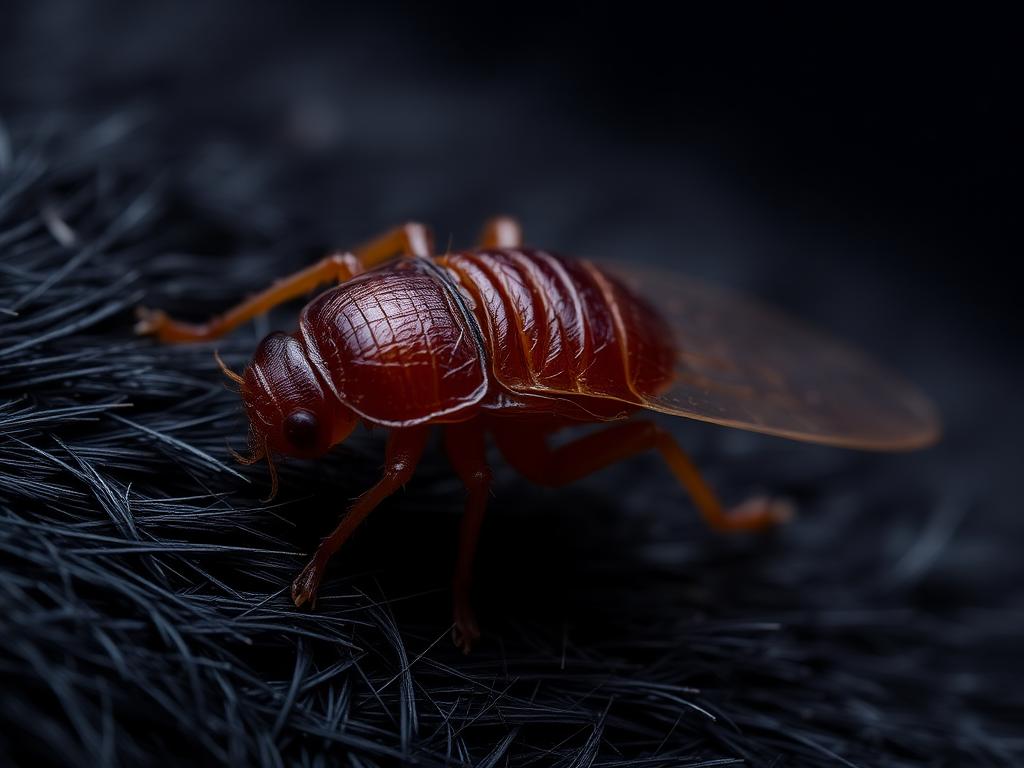
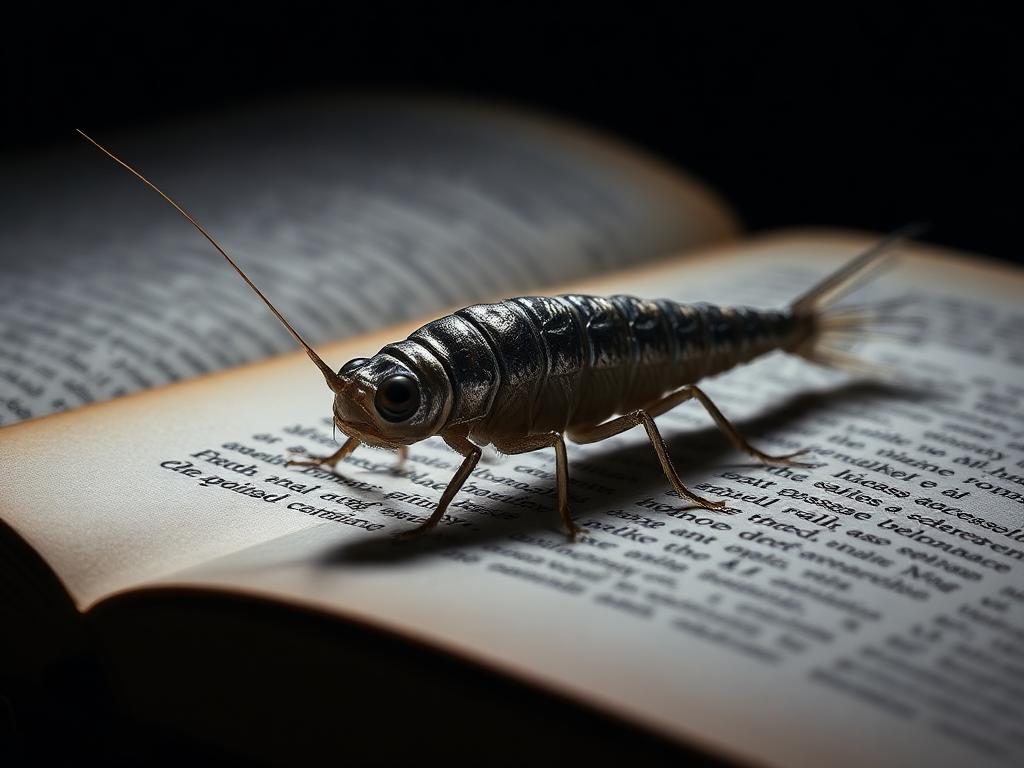
Commonly mistaken for springtail
Springtail questions we get asked
- Are springtails harmful to my health?
- No, they don't bite, sting, or spread disease. Their presence is mainly a signal of excess moisture and mold growth nearby, which is worth addressing for its own sake.
- Why do they keep coming back after I clean the sink?
- Because the population producing them is usually somewhere out of sight, like a crawl space or wall void, cleaning the visible ones doesn't affect the source. Correcting the underlying moisture is what stops the recurrence.
- Is this related to my crawl space?
- Very often, yes. Vented crawl spaces over damp soil, common across this region, are one of the most frequent sources we trace springtail activity back to during an inspection.
- Do you see springtail issues often in Suffolk and Chesapeake?
- Yes, particularly in newer construction with inadequate crawl space drainage as well as older homes with chronic condensation issues in bathrooms and basements.
- How long does it take to fully resolve?
- Once the moisture source is identified and corrected, sightings typically stop within one to two weeks as existing moisture dries out. Full crawl space corrections can take a bit longer depending on scope.
Springtail control by city and county
- Springtail control in Virginia Beach, VA
- Springtail control in Chesapeake, VA
- Springtail control in Norfolk, VA
- Springtail control in Portsmouth, VA
- Springtail control in Suffolk, VA
- Springtail control in Newport News, VA
- Springtail control in Hampton, VA
- Springtail control in Poquoson, VA
- Springtail control in Smithfield, VA
- Springtail control in Isle of Wight County, VA
- Springtail control in Carrollton, VA
Services that handle springtail problems
- Crawl Space EncapsulationSealed liner, conditioned air, and controlled humidity under the whole house.
- Vapor Barrier InstallationGround-plane moisture control where full encapsulation is not warranted.
- Crawl Space DehumidificationSized, ducted dehumidifiers that hold the substructure below the fungus threshold.
- Drainage Correction & Sump SystemsGetting bulk water away from the foundation before anything else is installed.
Further reading
- Crawl space encapsulation, explained honestlyWhat encapsulation actually is, when it is worth the money in coastal Virginia, and when a vapor barrier and drainage correction is the right call instead.
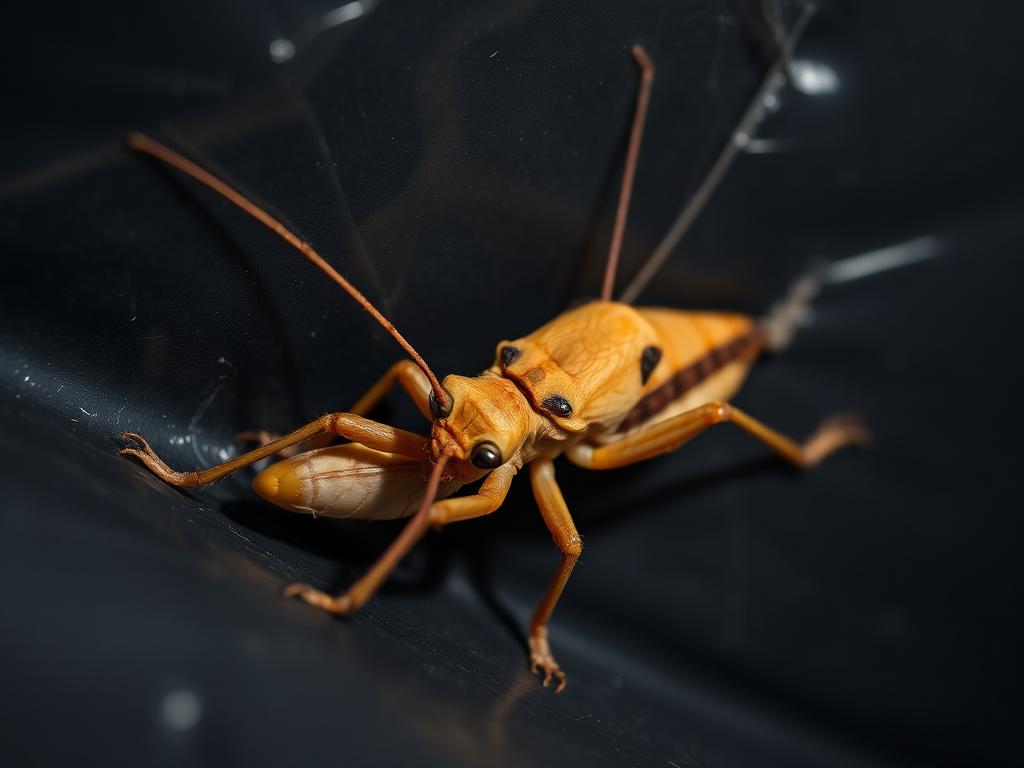
- If you are seeing camel crickets indoors, the crawl space is the storyCamel crickets are an indicator species. Killing the ones you see does nothing about the condition that produced them.
- German roaches versus American roaches: two completely different problemsOne is an indoor harborage and sanitation issue. The other is usually a crawl space, sewer, or moisture defect. Treating them the same wastes money.
- Wood moisture readings: what the numbers on your report meanInspectors quote moisture content percentages like everyone knows the thresholds. Here are the ranges that matter and what each one obligates you to do.
Others in this category
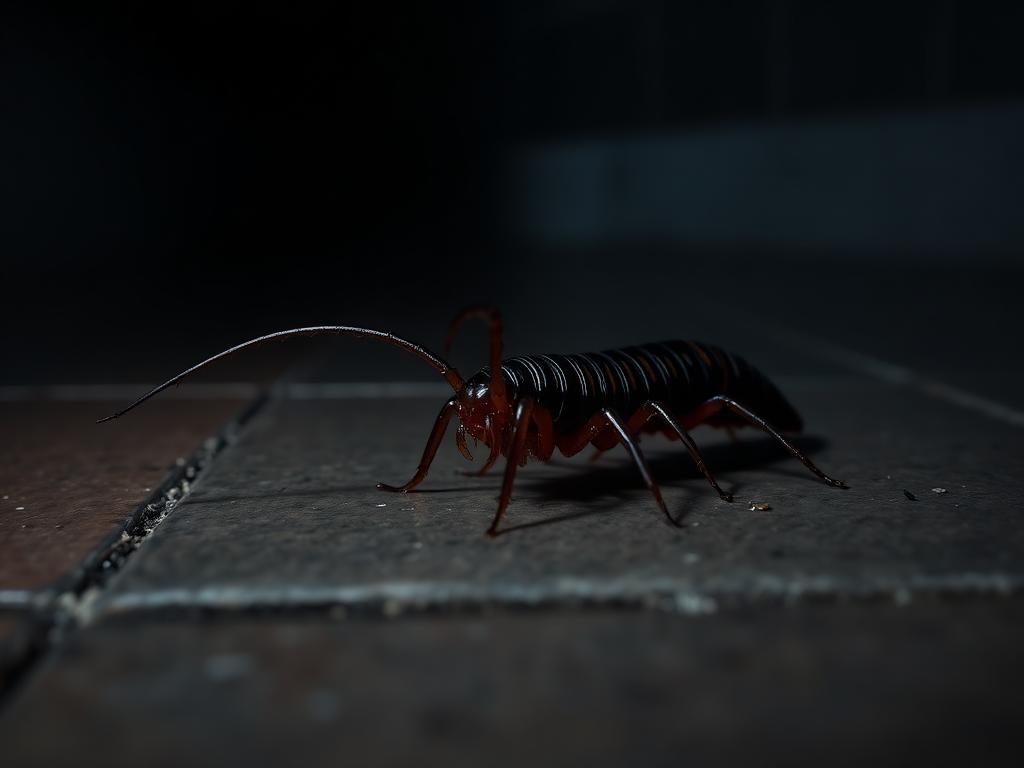
Confirm the ID and get it handled
Send a photo and the location in the structure. A licensed technician will tell you the species and whether it needs a visit.
Request an inspection