
Moisture-driven invaders
House Centipede Control in Hampton Roads
A predator — its presence means there is other prey in the structure.
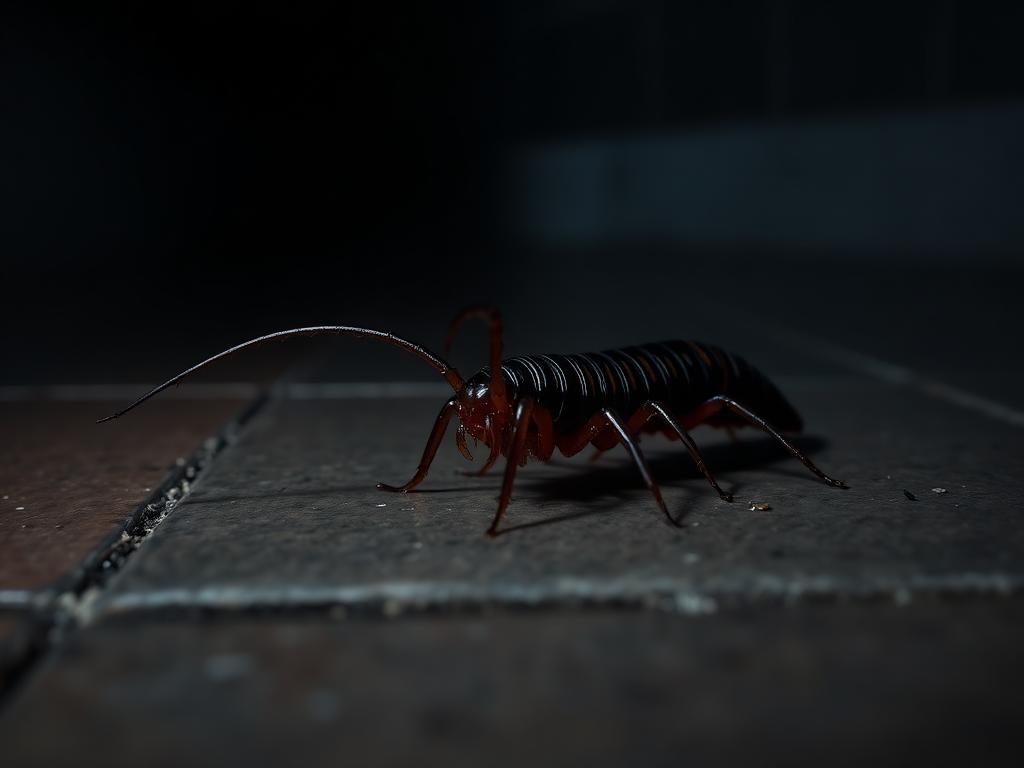
Scutigera coleoptrata
- Adult size
- 1" – 1.5" with legs
- Color
- Grey-yellow with dark stripes
- Group size
- Solitary hunters
- Lifespan
- 3 – 7 years
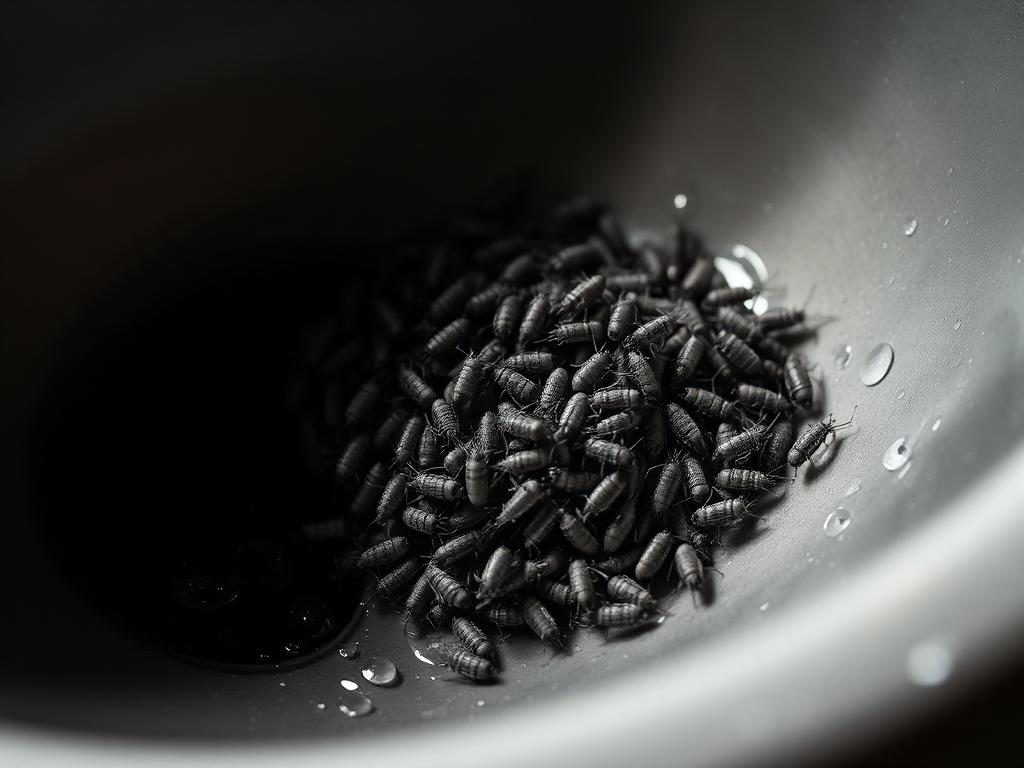
A house centipede in the bathtub is rarely the actual problem, it's evidence of one. This fast-moving, many-legged predator feeds on other small arthropods living in the house: springtails, silverfish, small roaches, and other insects that thrive in damp conditions. If centipedes are showing up regularly in a Chesapeake or Norfolk bathroom or basement, there's a prey population somewhere in the structure large enough to be worth hunting, and that prey population is almost always tied to excess moisture.
Hampton Roads' high water table and prevalence of vented crawl spaces create ideal conditions for this chain to establish: humid crawl space air feeds springtail and silverfish populations, those populations feed centipedes, and centipedes then wander up into living space looking for more prey or a mate. Portsmouth and Suffolk homes with older, poorly sealed crawl spaces or a history of standing water underneath are frequent sites for this pattern, though it shows up anywhere humidity is elevated, including finished basements with inadequate dehumidification.
Because the centipede itself isn't the target, Guardex treatment for this pest starts with tracing the moisture and prey source rather than simply spraying where centipedes are seen. Eliminate the food source and the humidity that supports it, and the centipedes that depended on it move on or die off without ever needing to be treated directly.
How to identify house centipede
Fast-moving with fifteen pairs of long legs and banded antennae, usually seen in bathrooms and basements at night.
When house centipede activity peaks
Indoor sightings track crawl space humidity, peaking July and August.
July — activity index 90 / 100 (annual peak)
House Centipede biology and life cycle
House centipedes hatch from eggs laid in moist soil or organic debris and develop over roughly three years, molting repeatedly and adding leg pairs at each stage until reaching the adult's fifteen pairs. Adults can live several years under favorable humid conditions, making a single successfully established population a long-term, self-sustaining presence rather than a one-season nuisance. They're nocturnal hunters, spending daylight hours hidden in cracks, behind baseboards, or in crawl space debris, and becoming active at night when their prey, springtails, silverfish, small flies, is also most active. Because reproduction depends on sustained moisture in the breeding site, a centipede population found indoors typically indicates a crawl space, basement, or bathroom area with humidity consistently high enough to support months or years of breeding, not a single damp week.
When house centipede pressure peaks in Hampton Roads
Sightings increase through Hampton Roads' humid summer months as both centipede activity and their prey populations peak with warm, moist conditions. Vented crawl spaces reach their highest humidity from June through September, driving up springtail and silverfish numbers and, with a lag, the centipedes hunting them. Activity drops in winter as cooler temperatures slow both predator and prey metabolism, though heated basements and consistently damp crawl spaces can sustain low-level activity year-round. A secondary uptick often appears in early fall as centipedes move toward warmer, more sheltered parts of the structure ahead of the first cold snaps.
House Centipede threat profile
Structural risk
0/100
Damage to framing, floors and finishes
Health risk
15/100
Bites, stings, allergens and pathogens
Spread rate
30/100
How fast it multiplies once established
DIY difficulty
45/100
How reliably store products fail on it
Does yours match? Interactive ID checklist
0 of 4 traits matched
Tick everything you can actually see.
Why it is in your house
They follow their prey — springtails, silverfish, and small roaches — which means a moisture problem is feeding them.
Field notes: house centipede you did not know
- Fact 01
They hunt roaches, silverfish and spiders — they are a predator, not a pest species.
- Fact 02
Fifteen pairs of long legs let them sprint over a foot per second.
- Fact 03
Seeing them regularly means their prey population is thriving somewhere below you.
Signs of house centipede activity
- Fast-moving, long-legged centipedes seen at night in bathrooms, basements, or laundry rooms.
- A musty or damp odor in the same areas where centipedes are spotted, indicating elevated humidity.
- Visible springtails or silverfish in the same rooms or in the crawl space, indicating the prey base centipedes are hunting.
- Condensation or visible moisture on crawl space vapor barriers or foundation walls.
- Centipedes found in previously undisturbed areas like closet floors or behind stored boxes in damp basements.
- Increased sightings specifically during or just after Hampton Roads' humid summer stretches.
What house centipede activity costs you
House centipedes can deliver a mild bite if handled or trapped against skin, comparable to a bee sting for most people, but they don't spread disease and pose no structural threat. The real risk is what their presence implies: a sustained indoor moisture problem large enough to support a breeding prey population, which over time can also support mold growth, wood-moisture issues in a crawl space, and conditions favorable to other pests like roaches. Ignoring a persistent centipede sighting because it's just a spider-looking bug often means ignoring a crawl space or basement humidity problem for months or years before it's addressed by other means, at which point moisture-related damage may already be underway.
What actually removes it
Eliminate the prey population by correcting crawl space and interior humidity; the centipedes leave with their food source.
Crawl Space Moisture ControlThe Guardex house centipede treatment plan
01 · Moisture source inspection
A technician inspects the crawl space, basement, and bathrooms for the humidity source feeding the prey population, checking vapor barrier condition, standing water, and vent function first.
02 · Humidity correction
Recommendations address the specific source found, whether that's crawl space encapsulation, dehumidification, or repairing plumbing leaks contributing to elevated moisture.
03 · Prey population treatment
Targeted treatment addresses the springtail, silverfish, or small roach population centipedes are hunting, since removing their food source is what actually resolves the centipede sightings.
04 · Follow-up monitoring
A recheck confirms humidity levels have dropped and prey populations have declined, with centipede sightings used as a practical indicator that the underlying correction is working.
Why store-bought products usually fail
Killing centipedes on sight feels productive but does nothing about the prey population supporting them, so new centipedes keep appearing as long as the food source and moisture remain. Retail insecticide sprays applied around baseboards may reduce visible sightings temporarily but don't address crawl space or basement humidity, which is the actual driver, and repeated indoor spraying without fixing moisture is a recurring cost with no lasting result. Store-bought dehumidifiers can help in finished basements but rarely have the capacity to correct a vented crawl space with a high water table beneath it, which is common across Portsmouth, Suffolk, and low-lying parts of Norfolk and needs a dedicated moisture correction approach.
Prevention checklist
- Run a dehumidifier in basements to keep relative humidity below 50 percent.
- Address any crawl space vapor barrier gaps or standing water promptly.
- Fix plumbing leaks under sinks and around water heaters as soon as they're found.
- Reduce clutter and stored boxes in damp basement areas that shelter prey insects.
- Ensure crawl space vents and gutters are directing water away from the foundation.
- Vacuum and monitor bathrooms and laundry rooms regularly for springtails or silverfish.
Where house centipede pressure runs highest
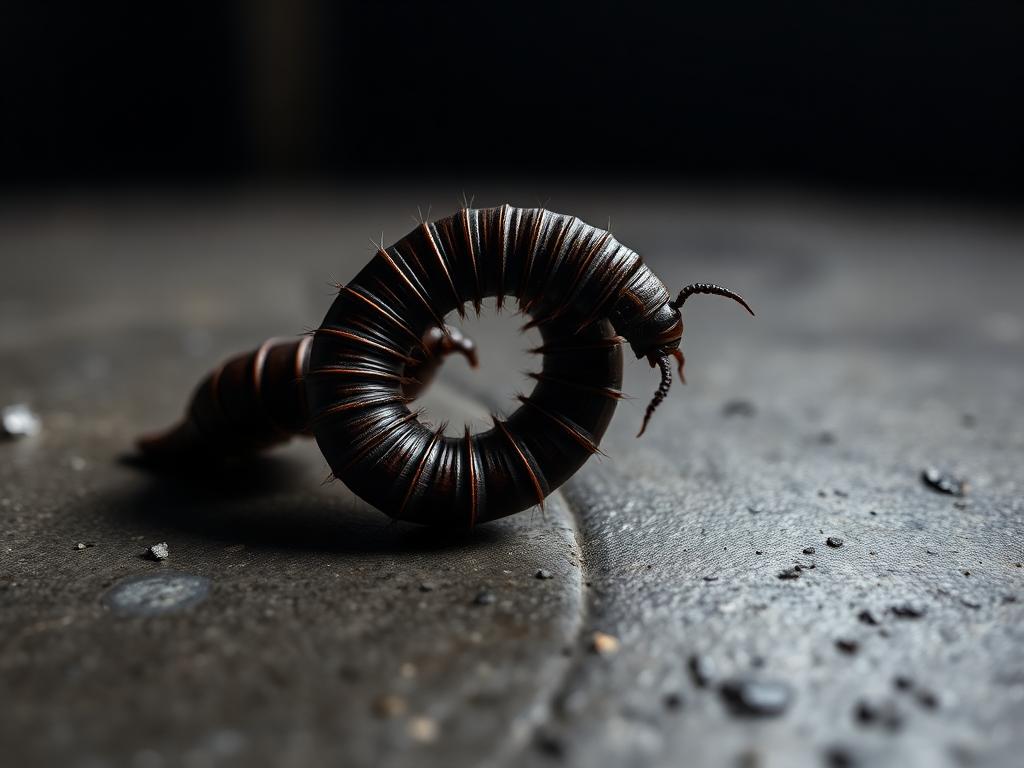
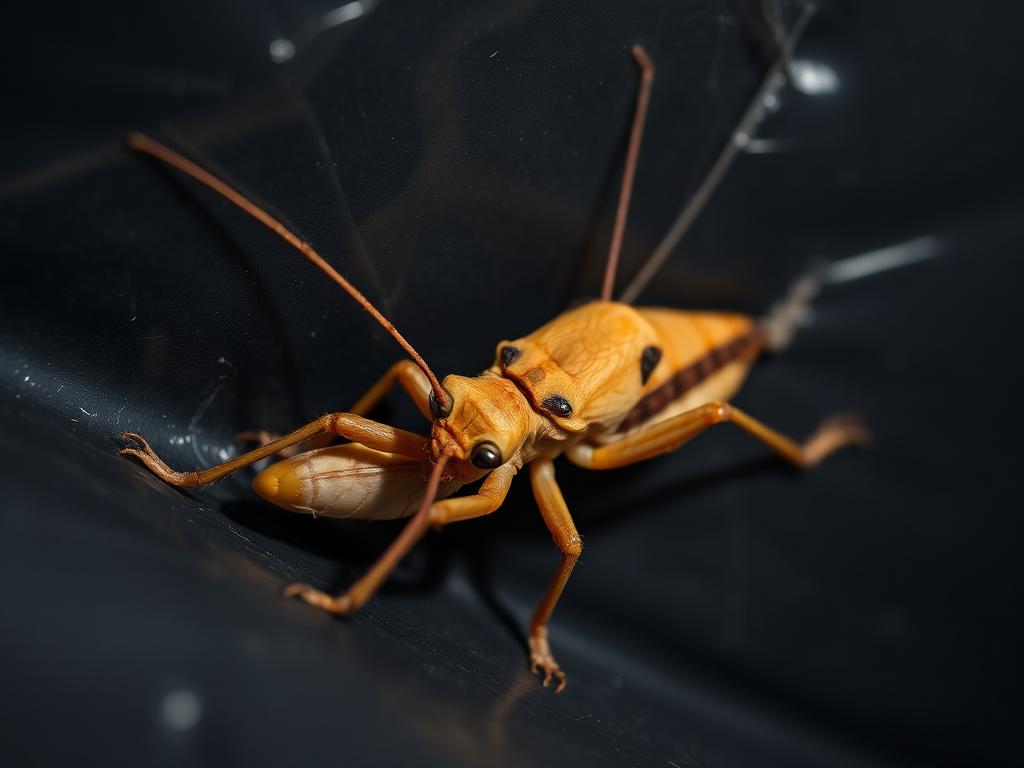
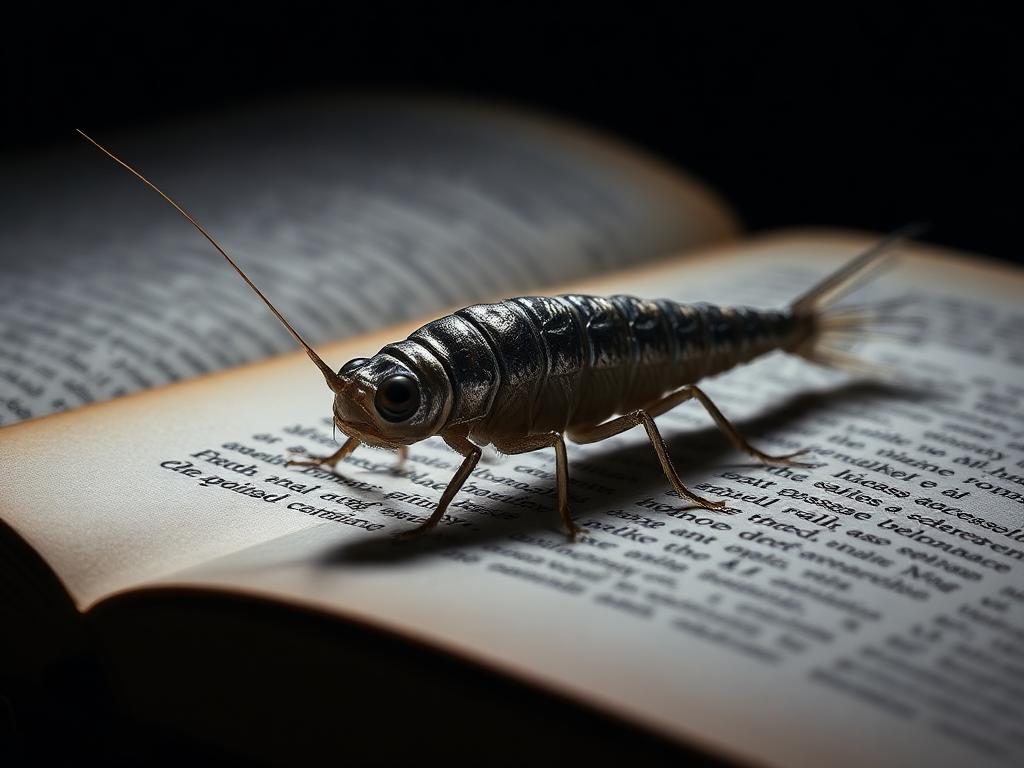
Commonly mistaken for house centipede
House Centipede questions we get asked
- Should I be worried about a bite from a house centipede?
- Bites are uncommon and only happen if one is handled or trapped against skin. When they do occur, the reaction is generally mild and comparable to a bee sting, with no disease transmission risk.
- Why do I keep seeing centipedes in my bathroom specifically?
- Bathrooms are often the most consistently humid room in the house, which supports the springtails and silverfish centipedes hunt. Regular sightings there usually point to elevated humidity worth investigating.
- Is this common in older homes in Portsmouth and Suffolk?
- Yes, particularly homes with older or poorly sealed vented crawl spaces sitting over Hampton Roads' high water table. Norfolk and Chesapeake homes with similar crawl space conditions see the same pattern.
- What does it cost to actually fix this, not just spray for centipedes?
- Cost depends on the moisture correction needed, ranging from targeted dehumidification to more involved crawl space work; a spray-only approach is far cheaper upfront but doesn't resolve the underlying cause.
- How long until centipede sightings actually stop?
- Once the moisture source and prey population are addressed, sightings typically decline within a few weeks as the existing centipede population disperses or dies off without a food source to sustain it.
Services that handle house centipede problems
- Crawl Space EncapsulationSealed liner, conditioned air, and controlled humidity under the whole house.
- Vapor Barrier InstallationGround-plane moisture control where full encapsulation is not warranted.
- Crawl Space DehumidificationSized, ducted dehumidifiers that hold the substructure below the fungus threshold.
- Drainage Correction & Sump SystemsGetting bulk water away from the foundation before anything else is installed.
Further reading
- Crawl space encapsulation, explained honestlyWhat encapsulation actually is, when it is worth the money in coastal Virginia, and when a vapor barrier and drainage correction is the right call instead.
- If you are seeing camel crickets indoors, the crawl space is the storyCamel crickets are an indicator species. Killing the ones you see does nothing about the condition that produced them.
- German roaches versus American roaches: two completely different problemsOne is an indoor harborage and sanitation issue. The other is usually a crawl space, sewer, or moisture defect. Treating them the same wastes money.
- Wood moisture readings: what the numbers on your report meanInspectors quote moisture content percentages like everyone knows the thresholds. Here are the ranges that matter and what each one obligates you to do.
Others in this category
Confirm the ID and get it handled
Send a photo and the location in the structure. A licensed technician will tell you the species and whether it needs a visit.
Request an inspection